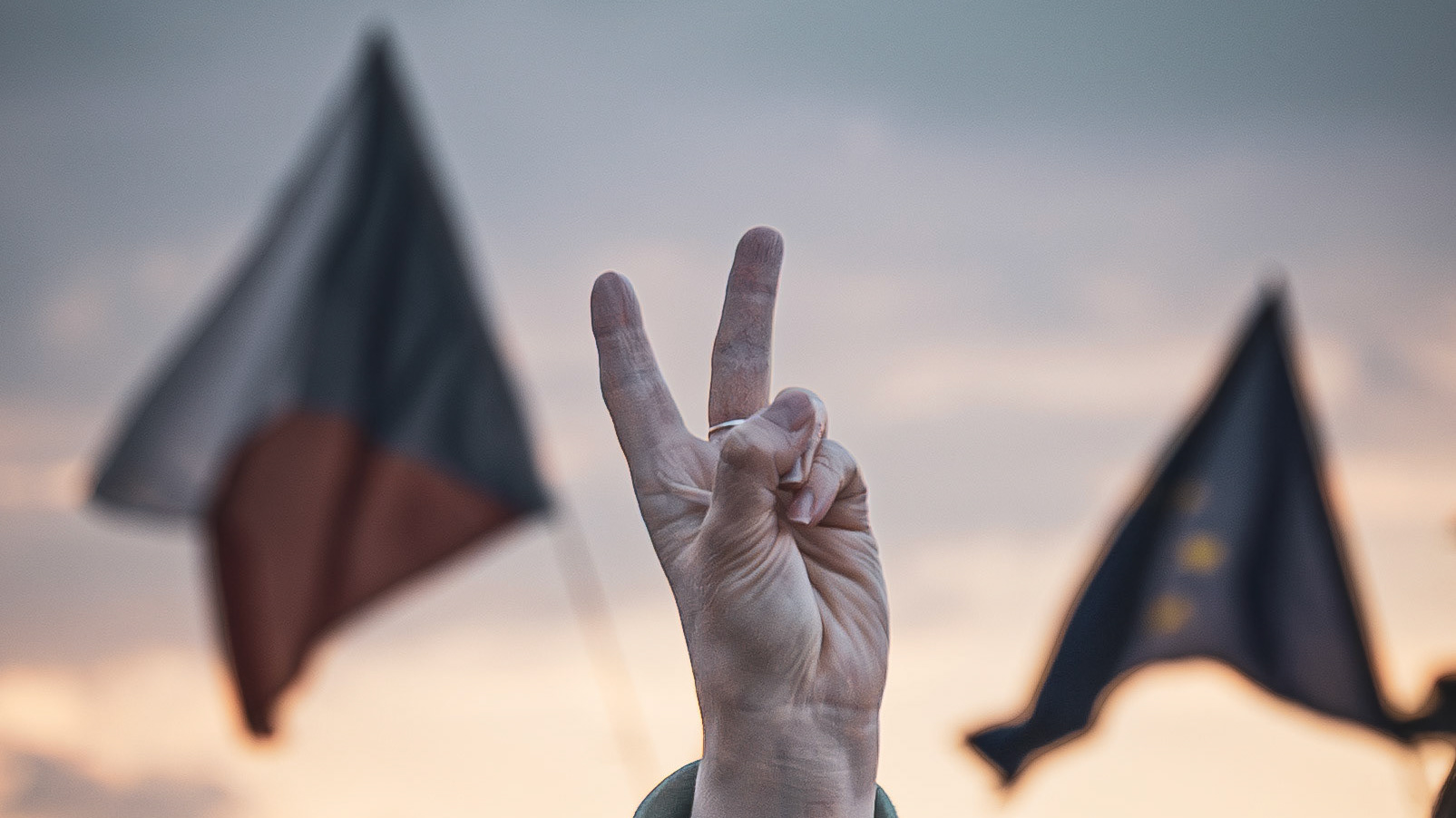
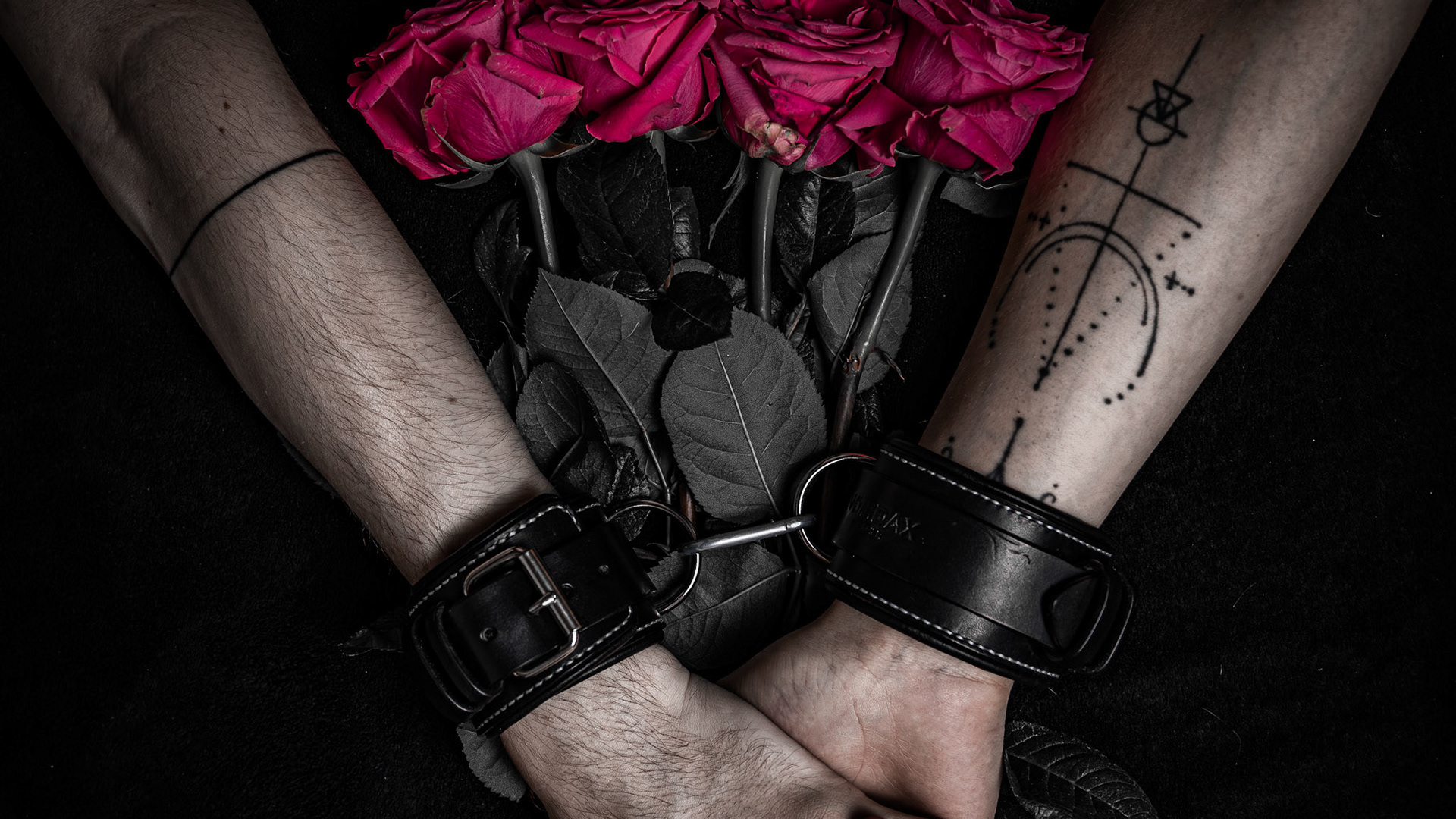
I photograph Prides out of a quiet fear. In Prague I can walk in mine without thinking about it - and that is exactly the danger. What we have, we take for granted. And what we take for granted, we stop protecting.
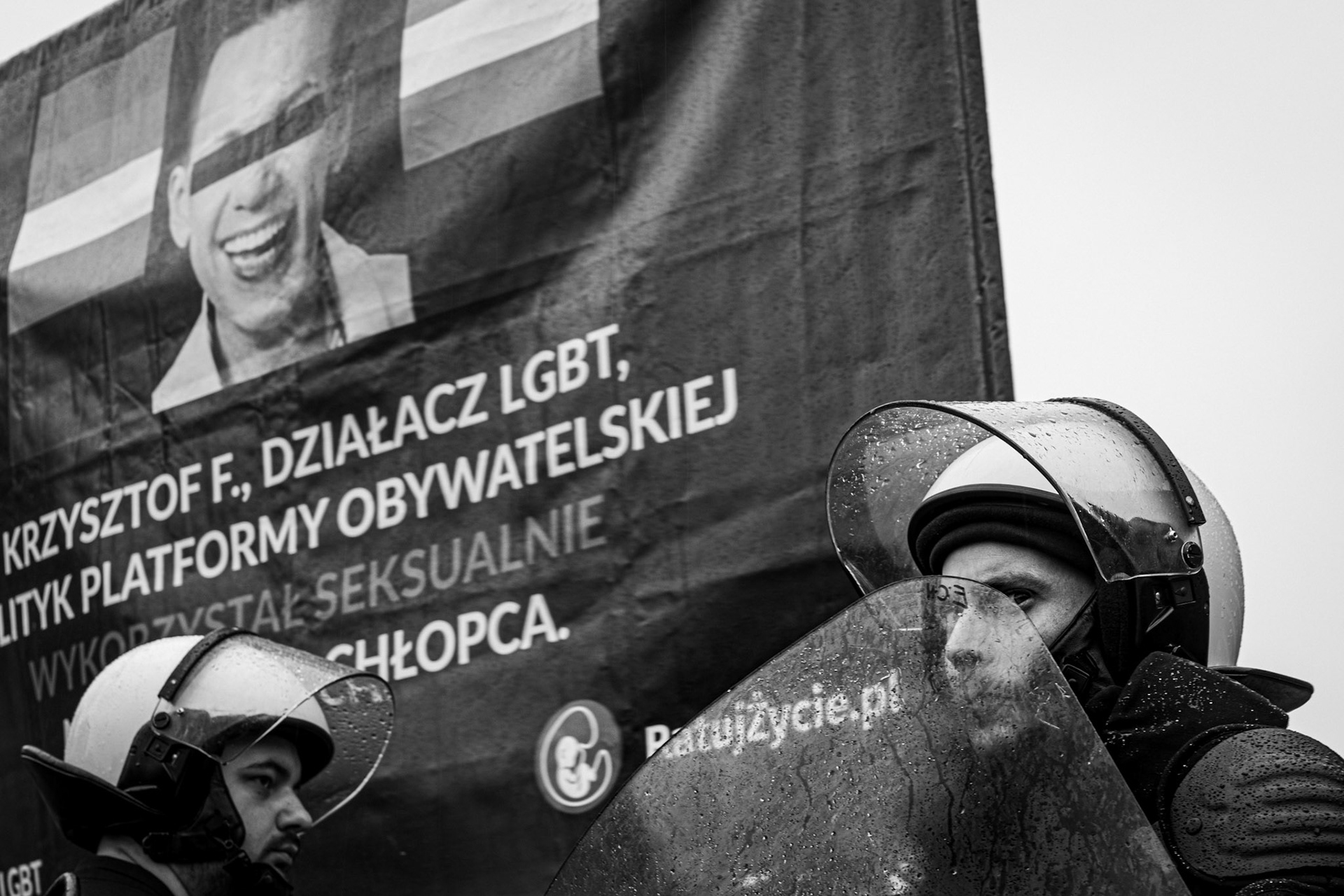
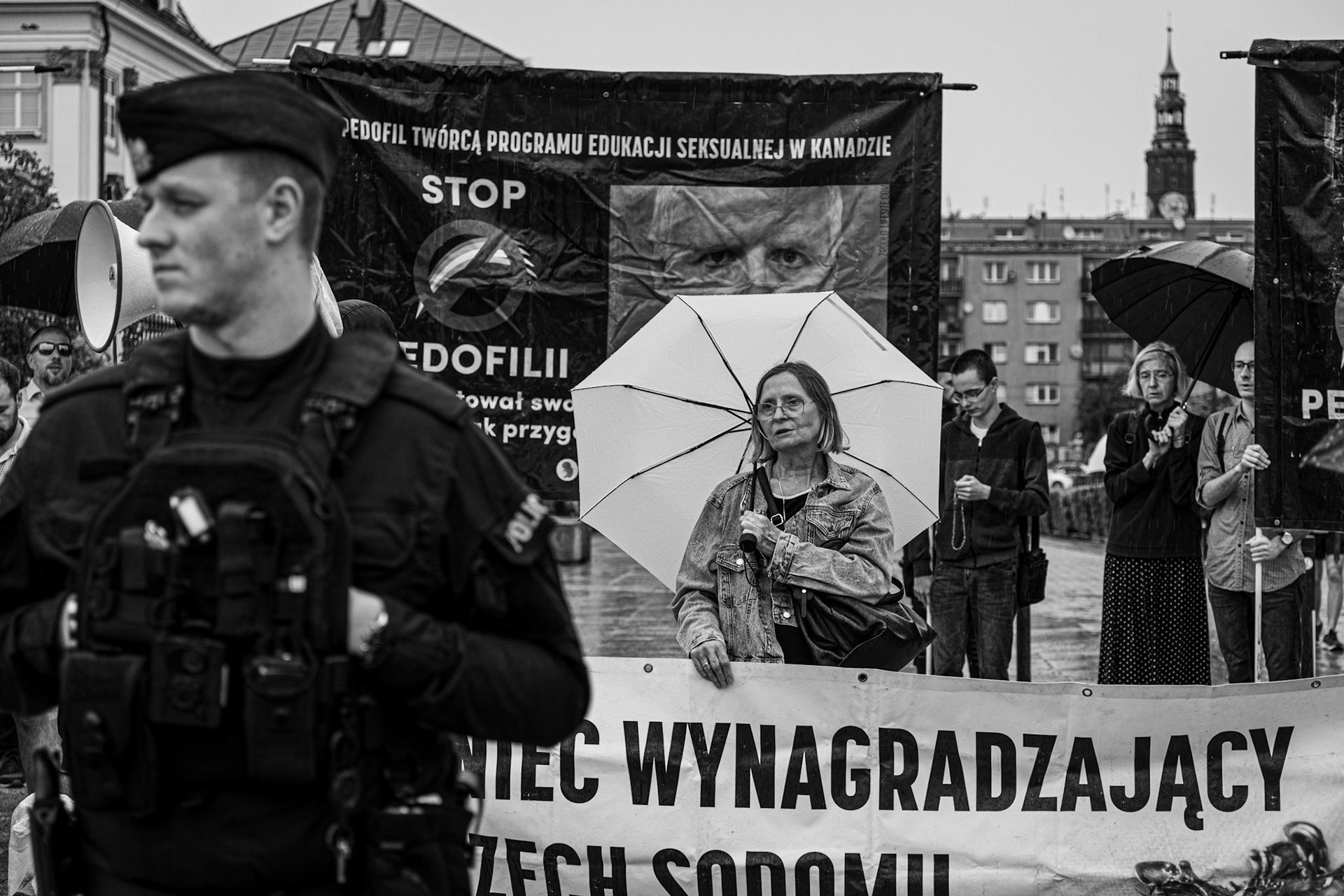
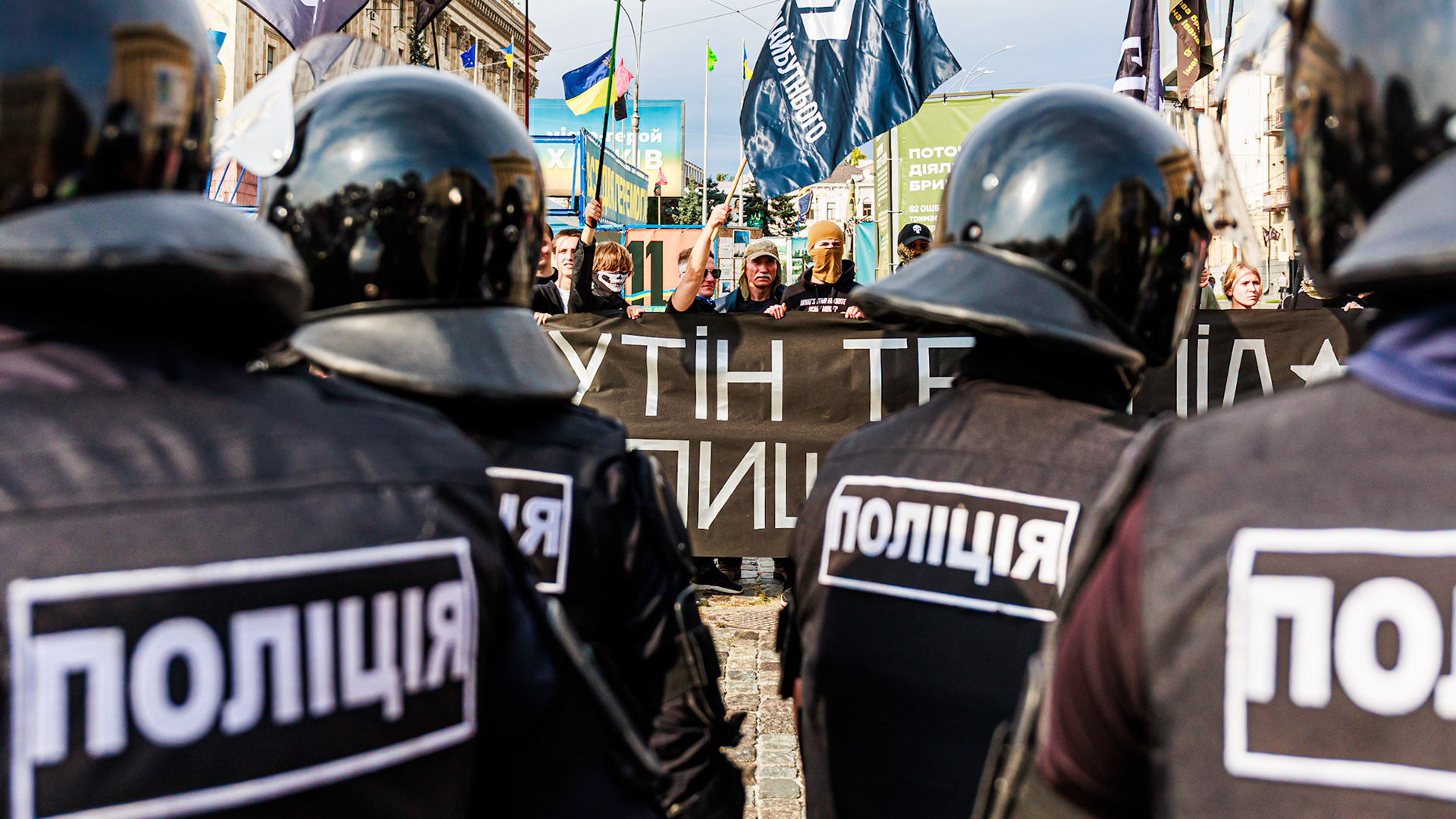
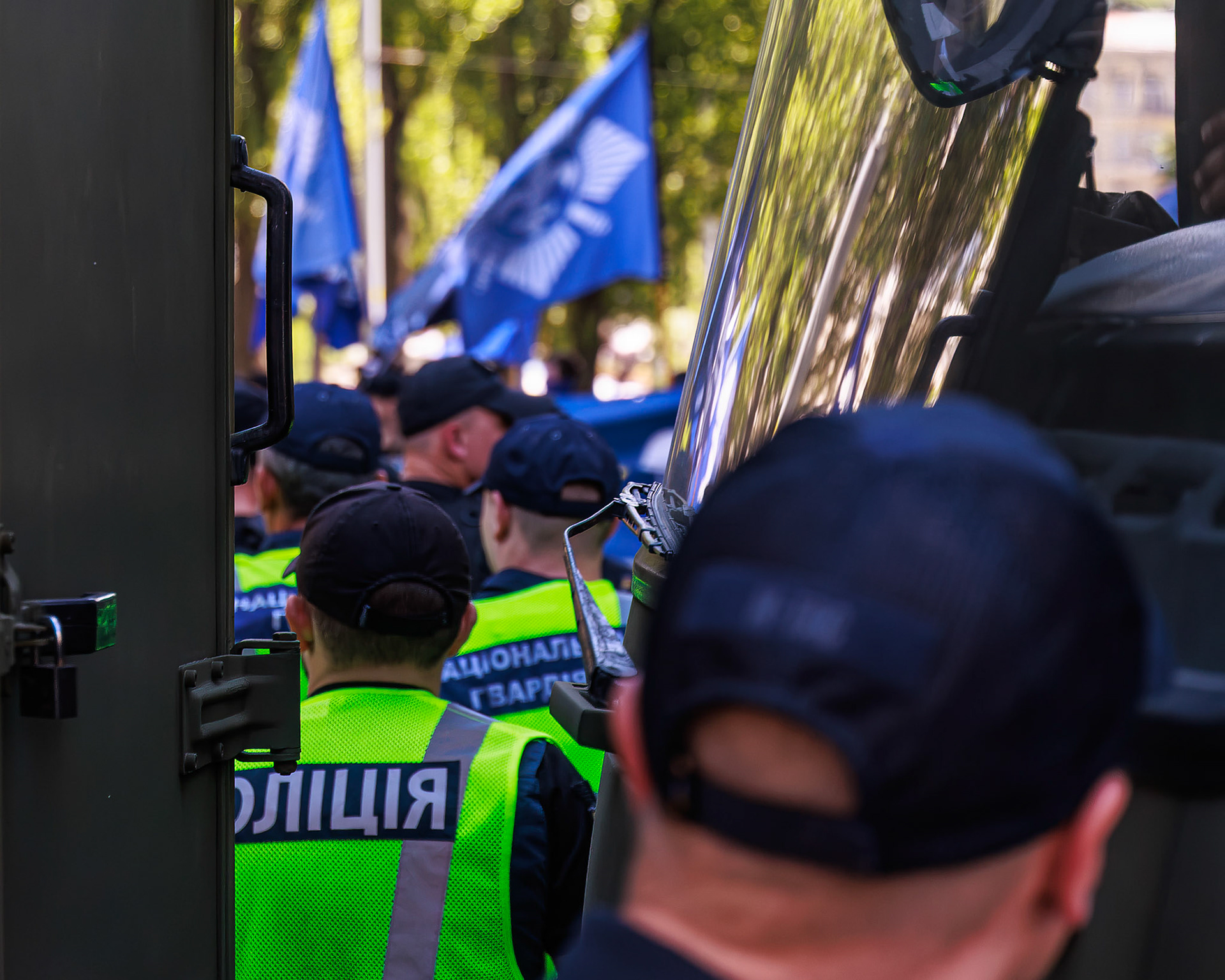
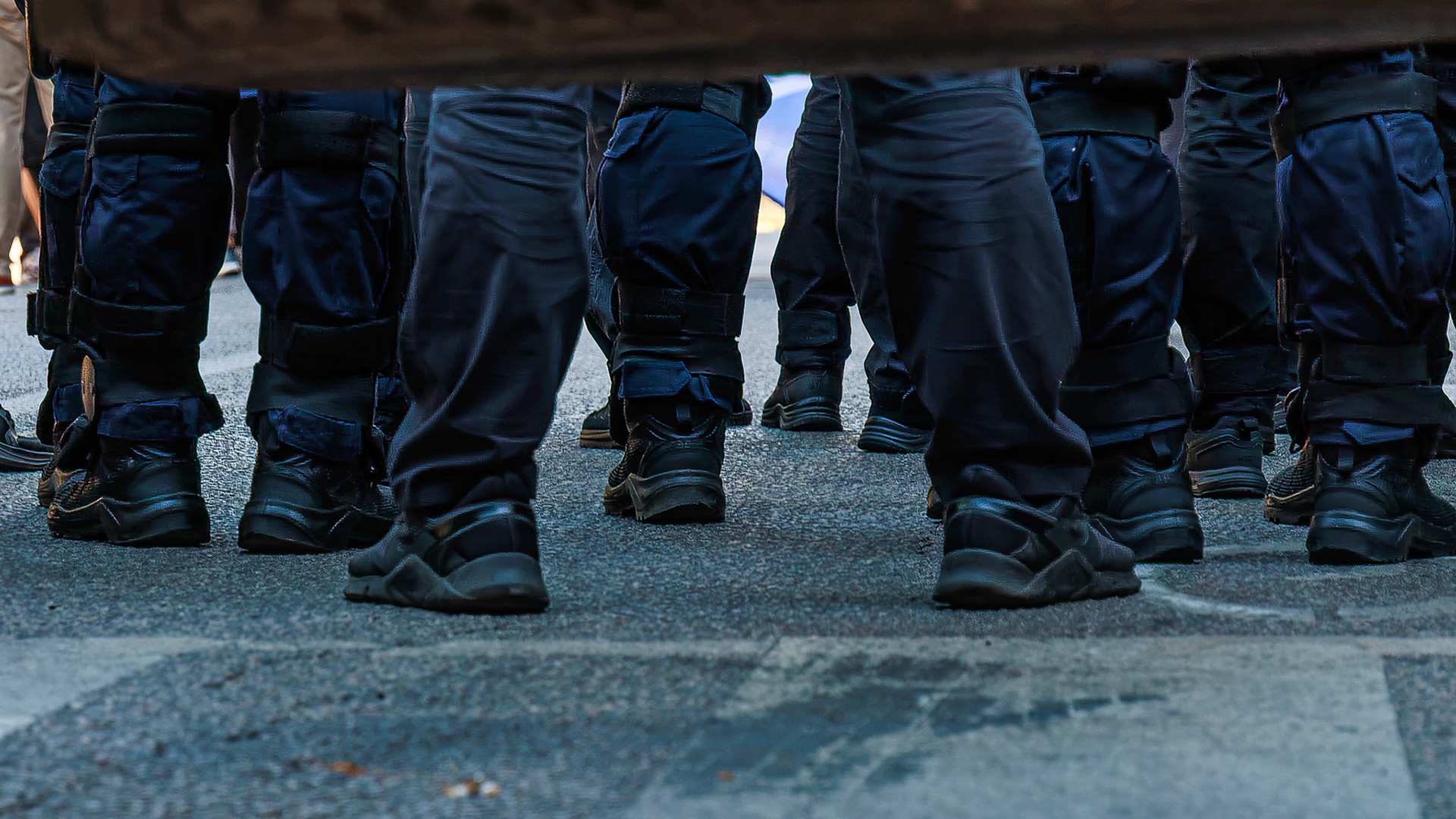
So I went to other post-communist countries, where the same freedom is harder to come by: Wrocław, Sarajevo, Budapest, Belgrade, Kyiv, Kharkiv. In almost every city the photographs share one thing - a police cordon. A march that has to be protected is a different kind of march. And still, people show up and do their best.
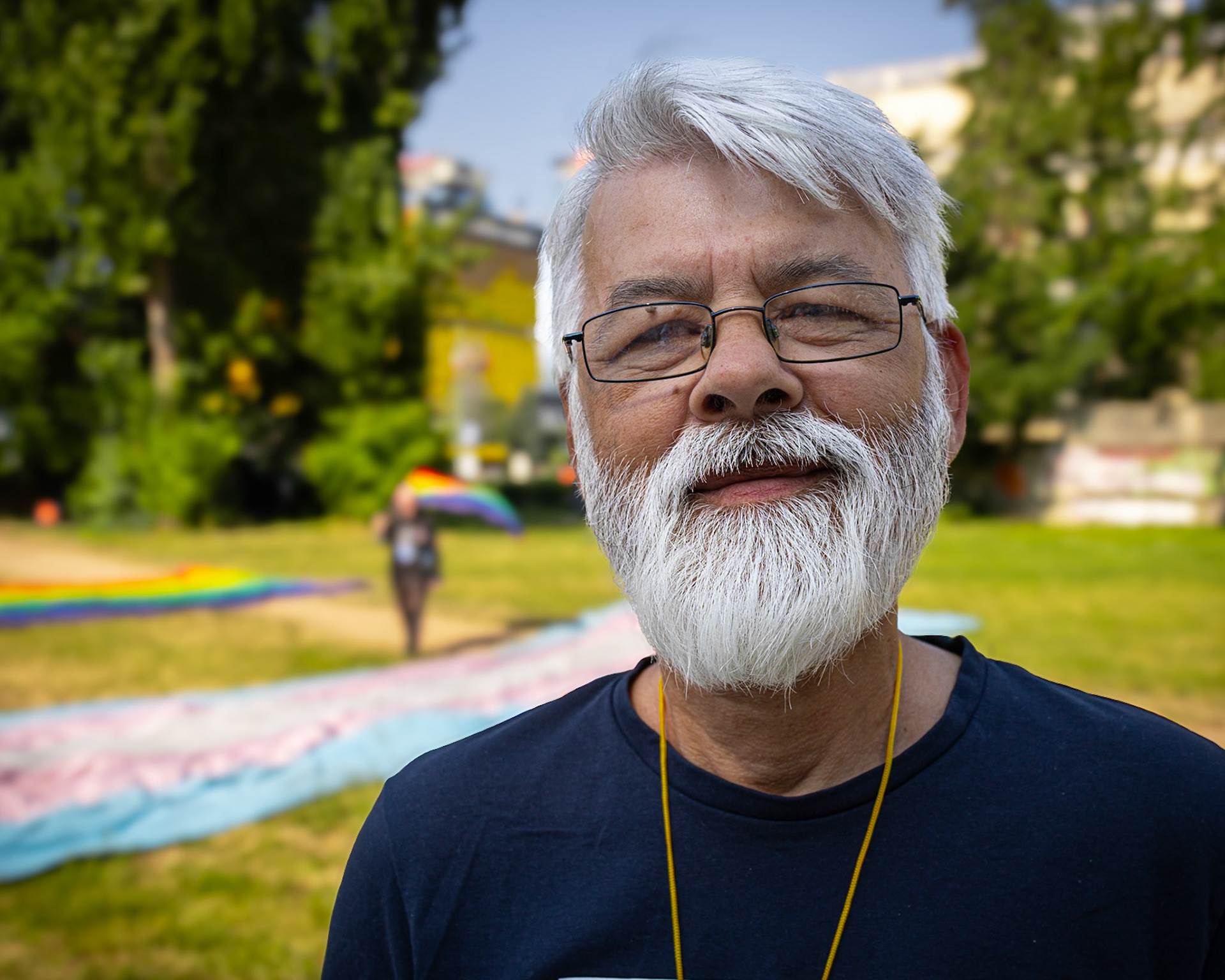
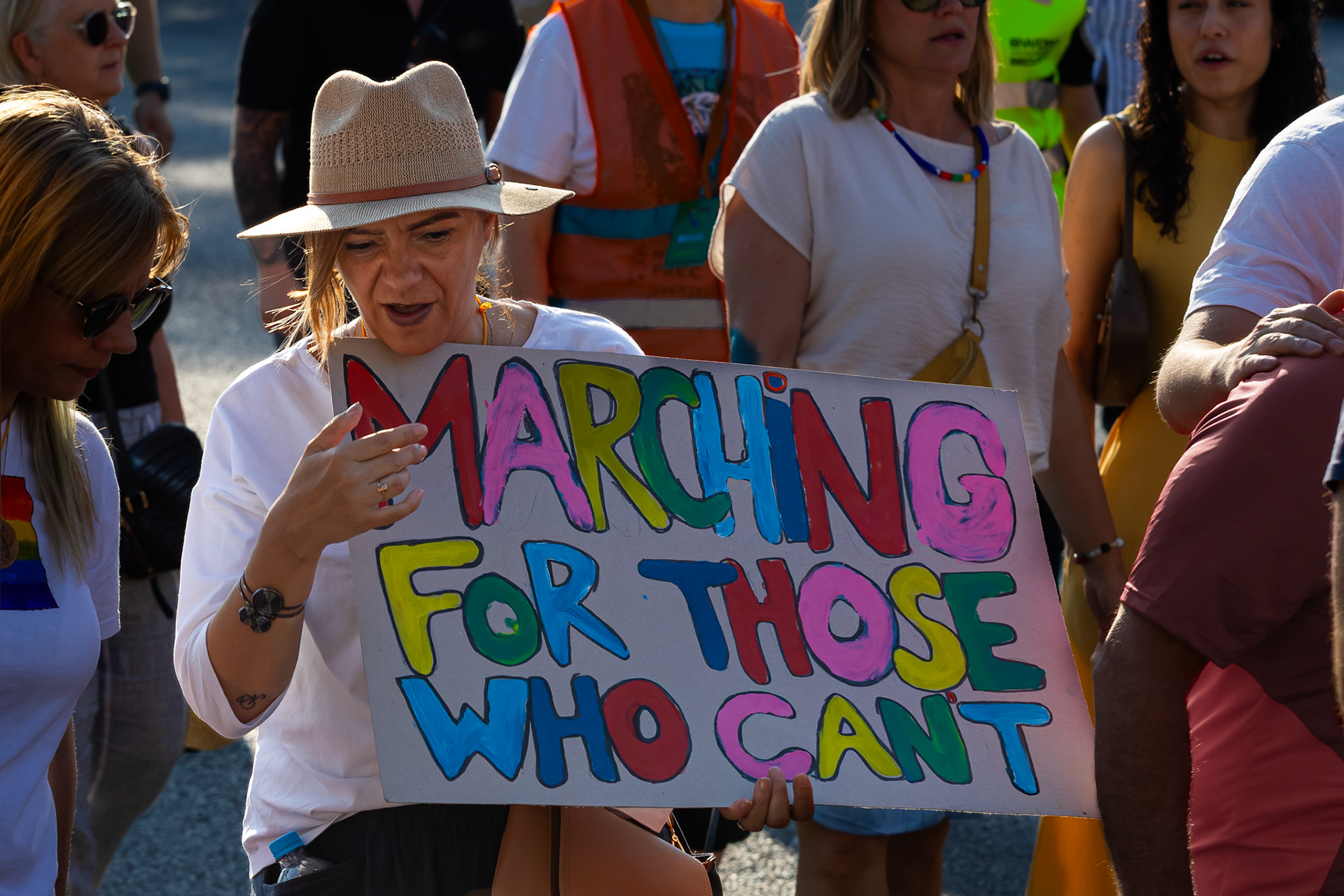
What I look for is not the stage or the costumes. It's the father who came alone because his daughter couldn't. The sign that says "Marching for those who can't". The minute of silence. They are a reminder for us at home: not to forget to do the same.
2026 - Kharkiv - Kharkiv Pride
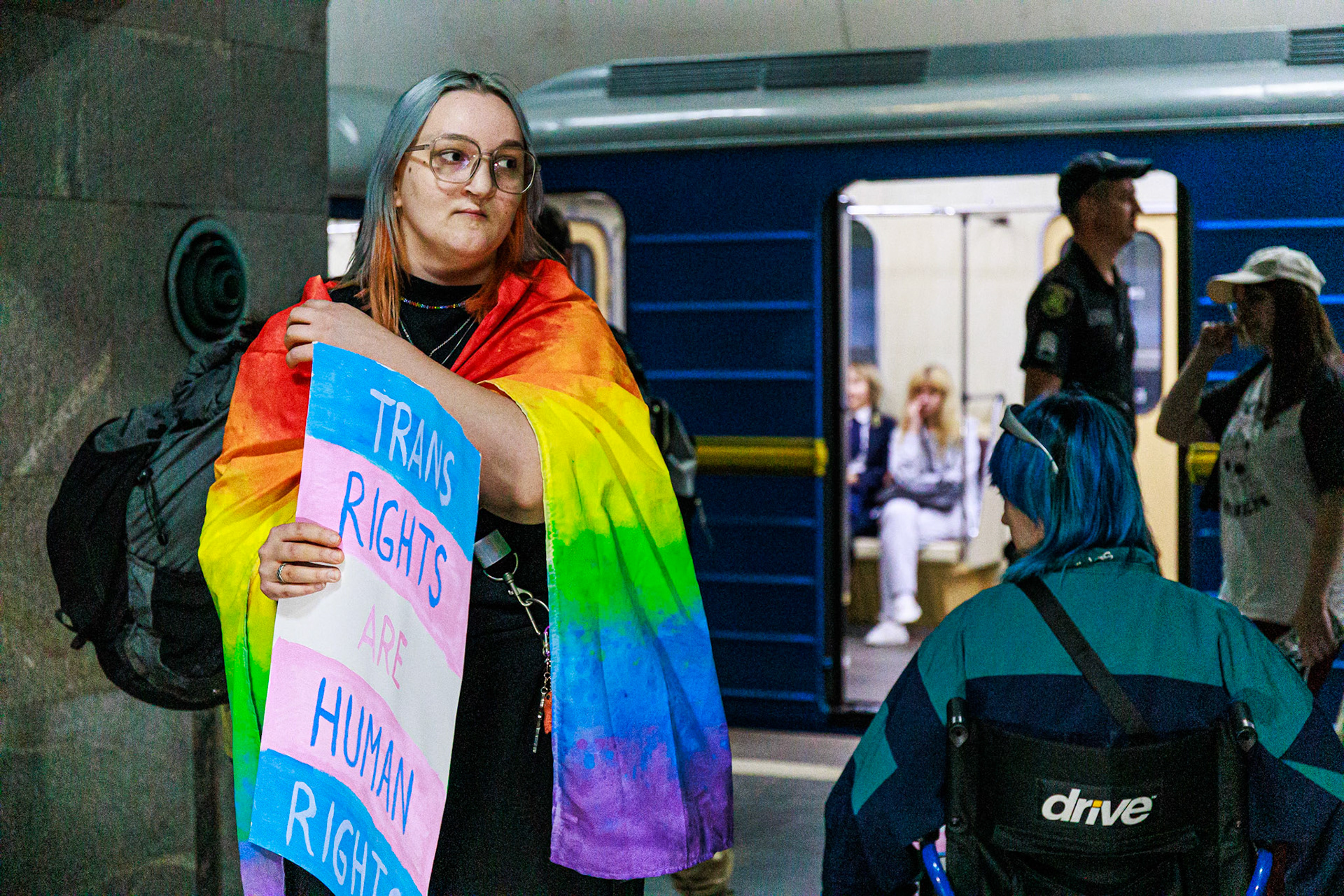
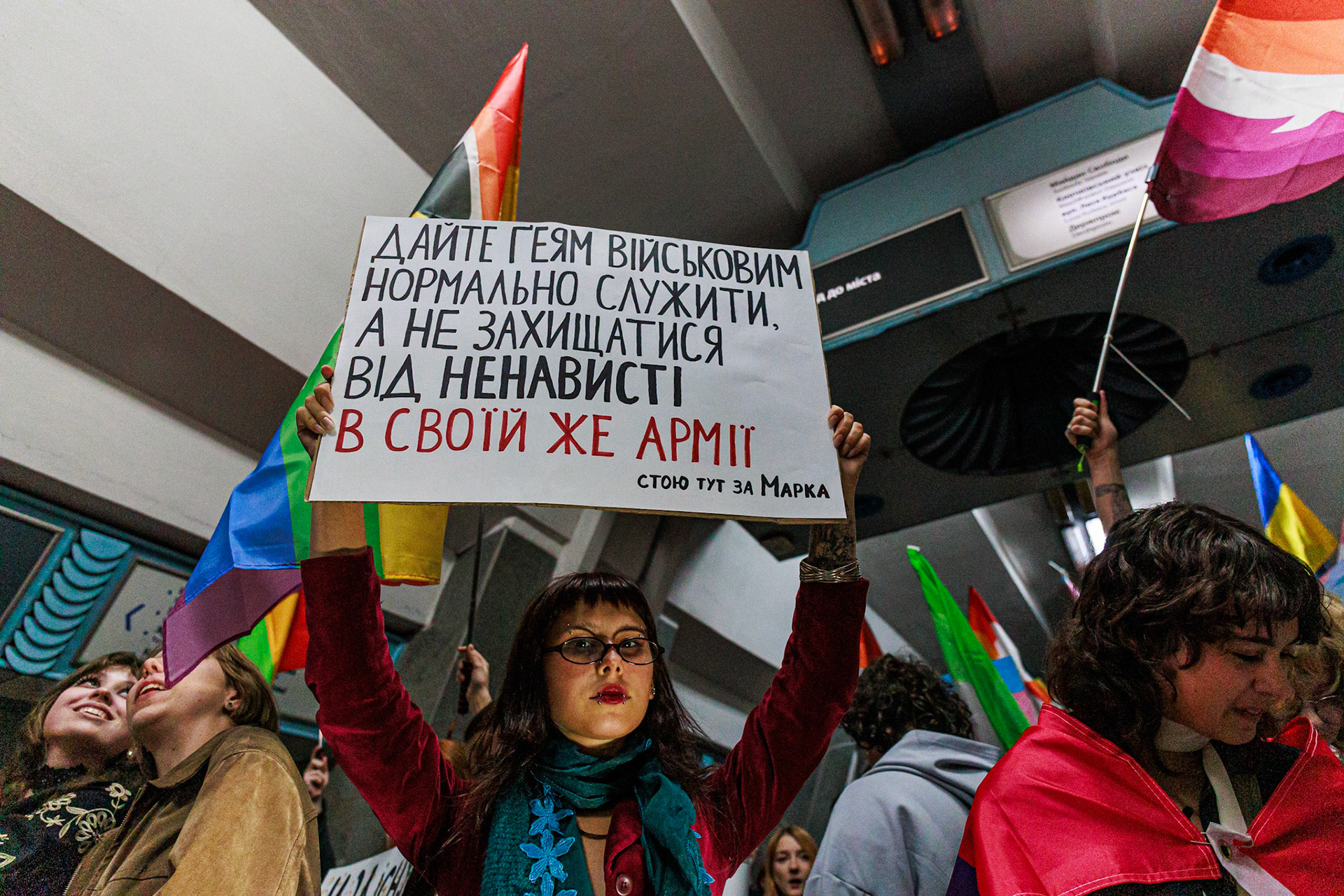
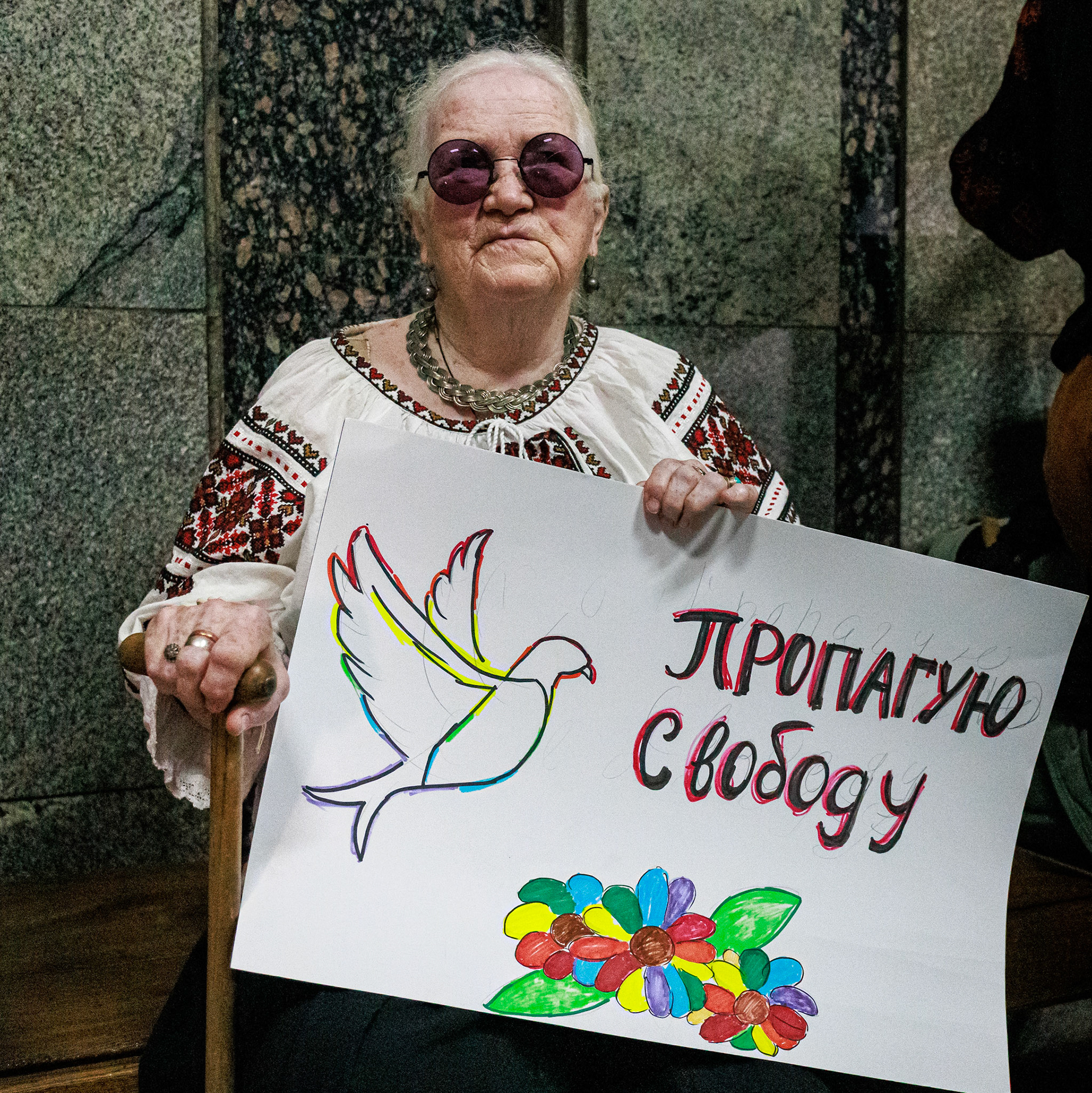
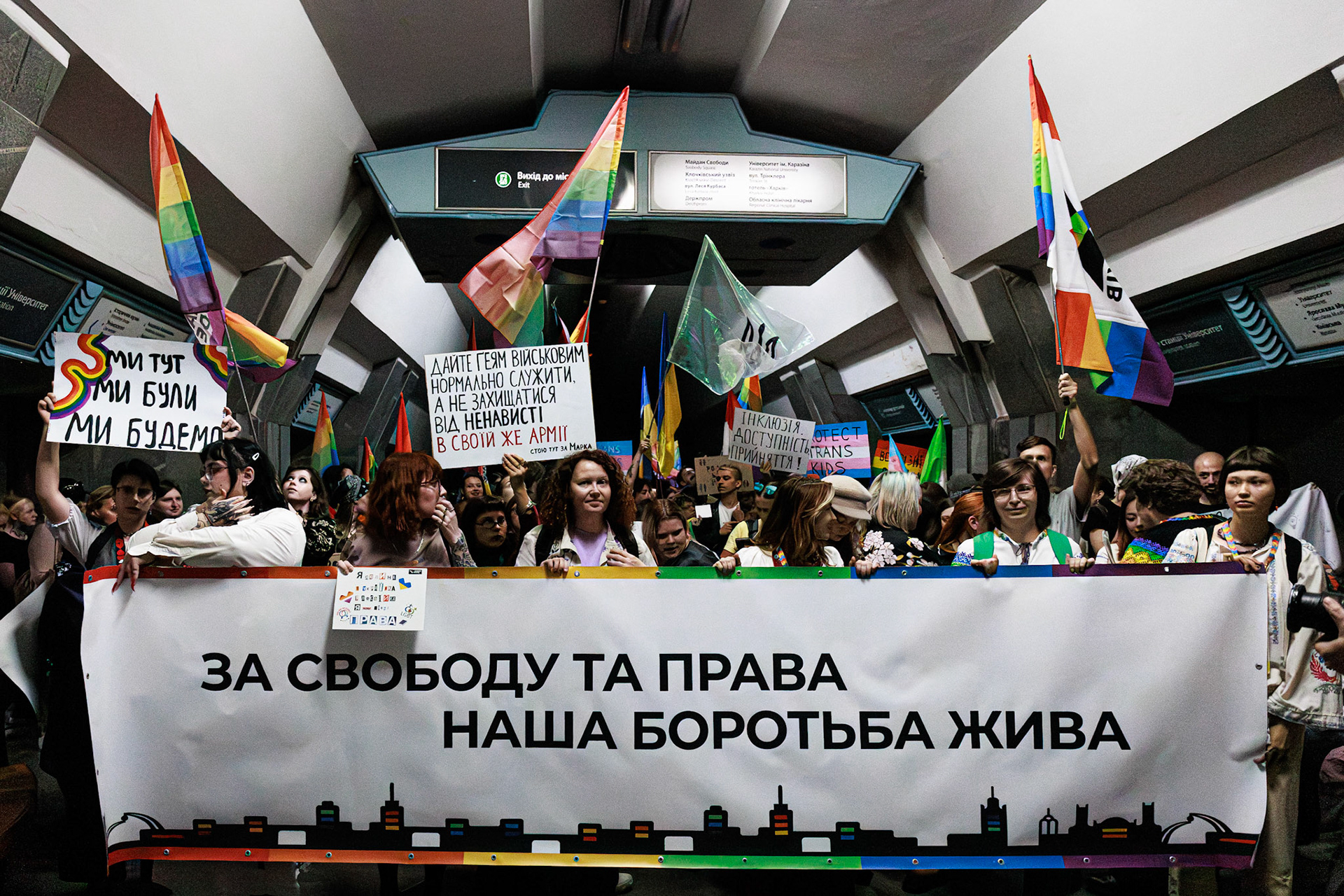
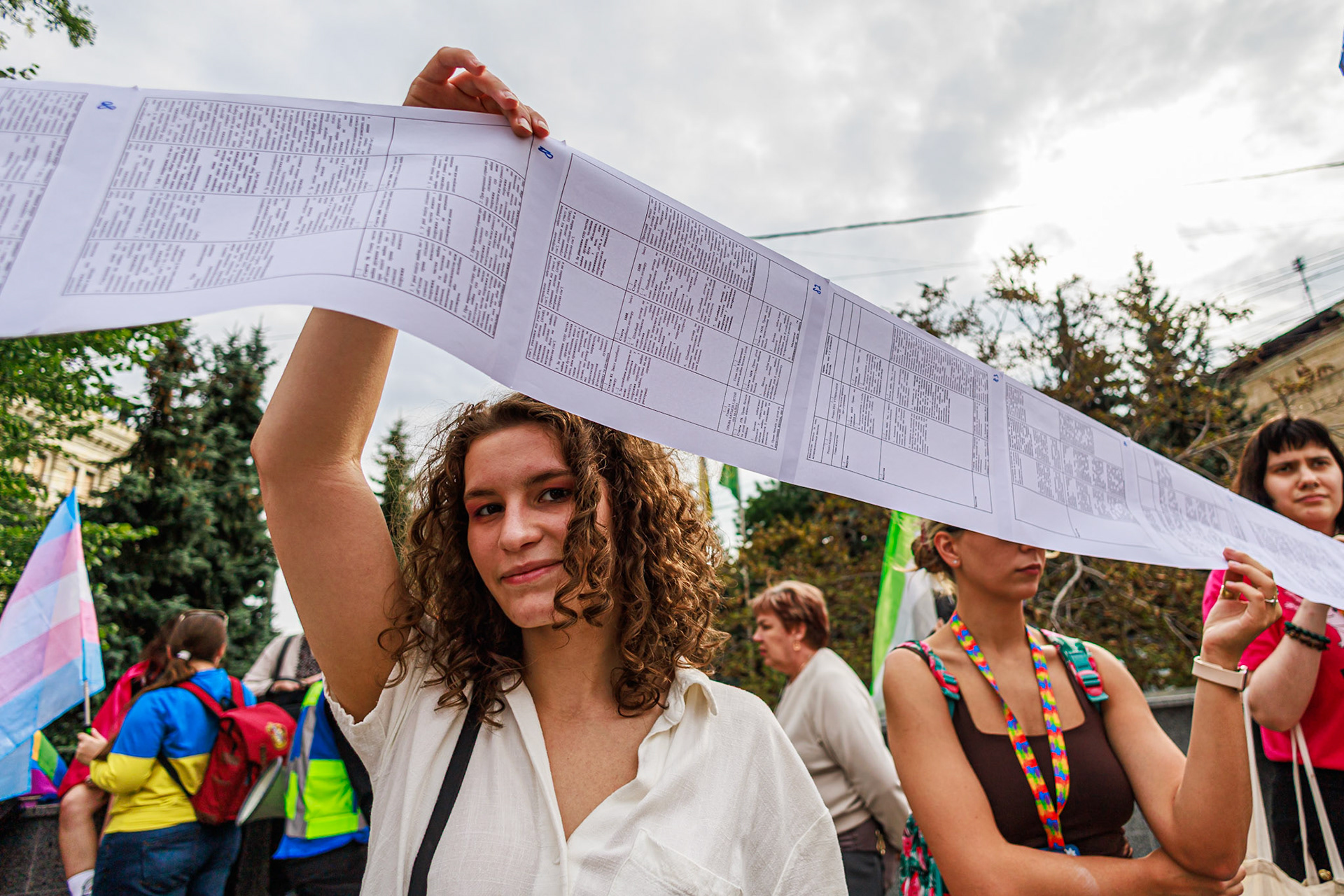
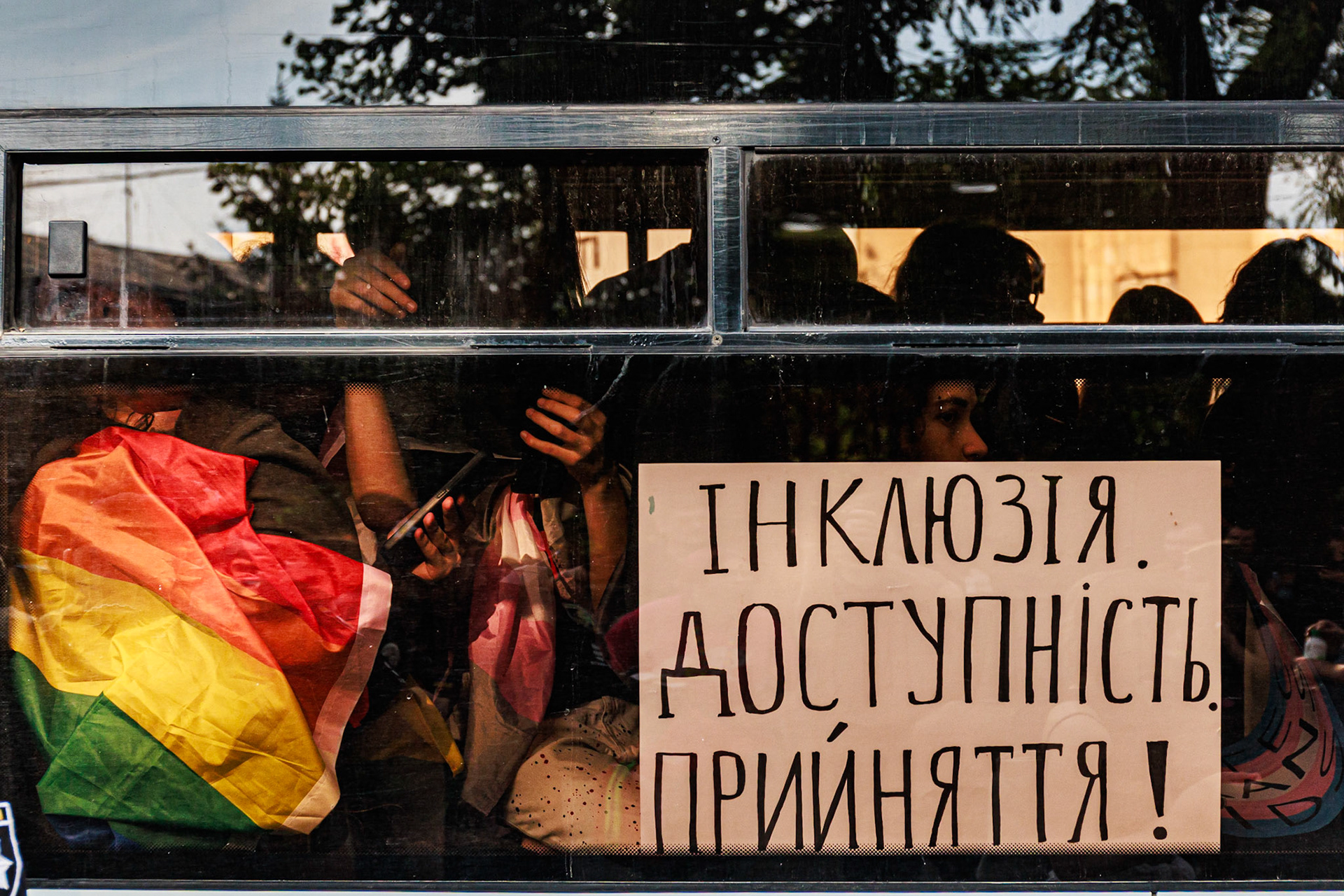
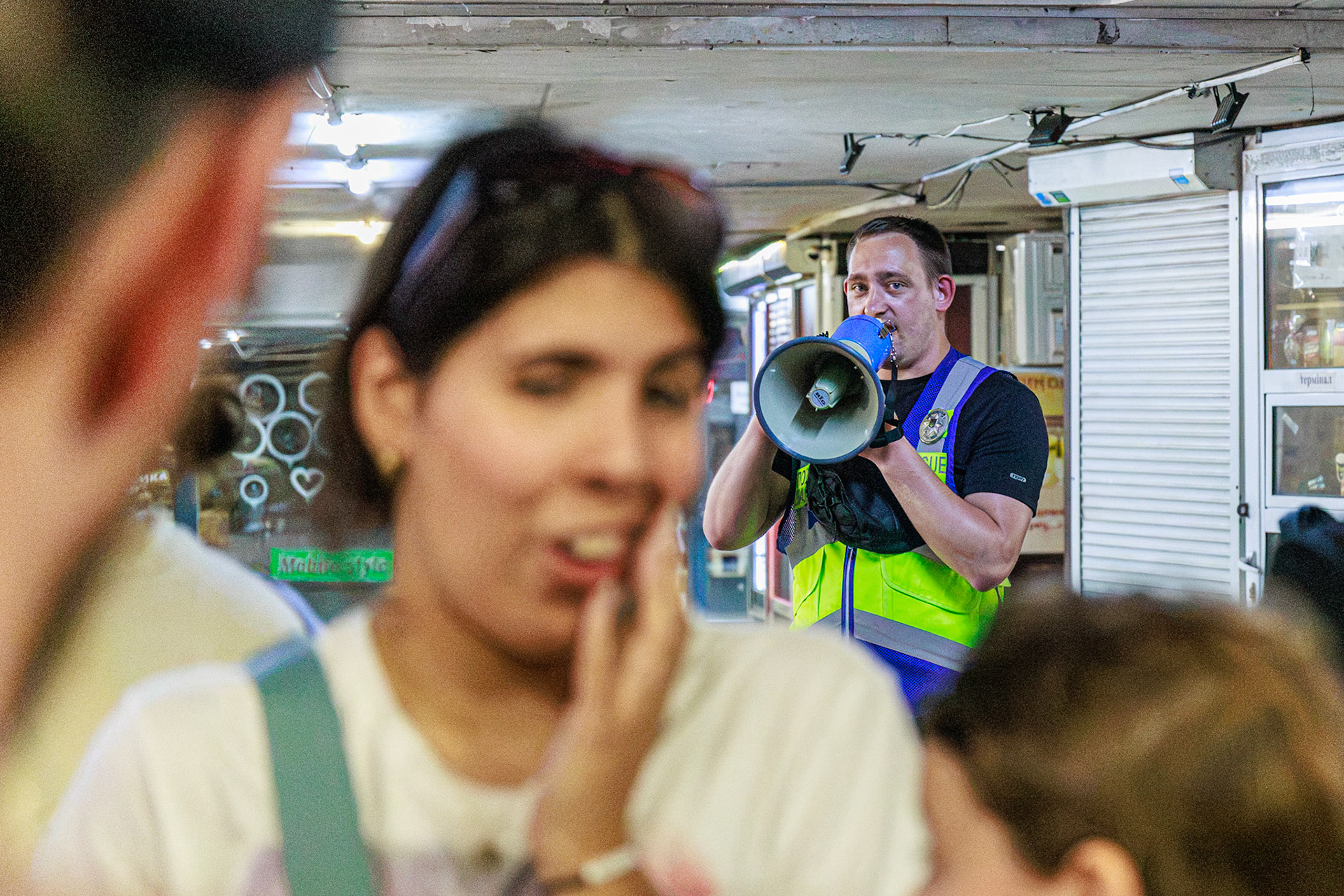
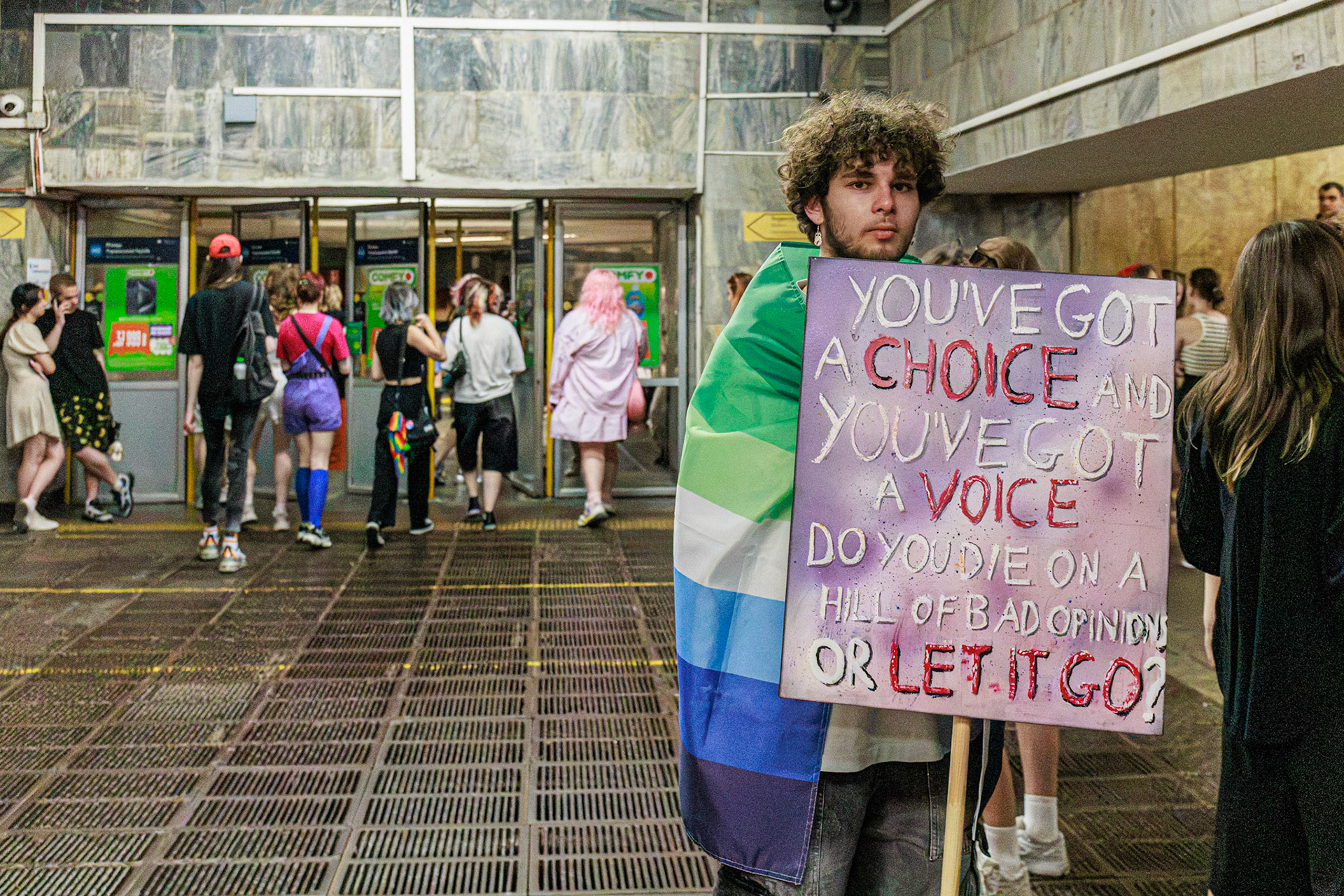
Thirty kilometres from the Russian border, the march began on a metro platform; the meeting point was sent over Telegram shortly before. Police counted around seventy marchers - and about thirty-five counter-protesters across the street. Afterwards, buses took them away from the square.

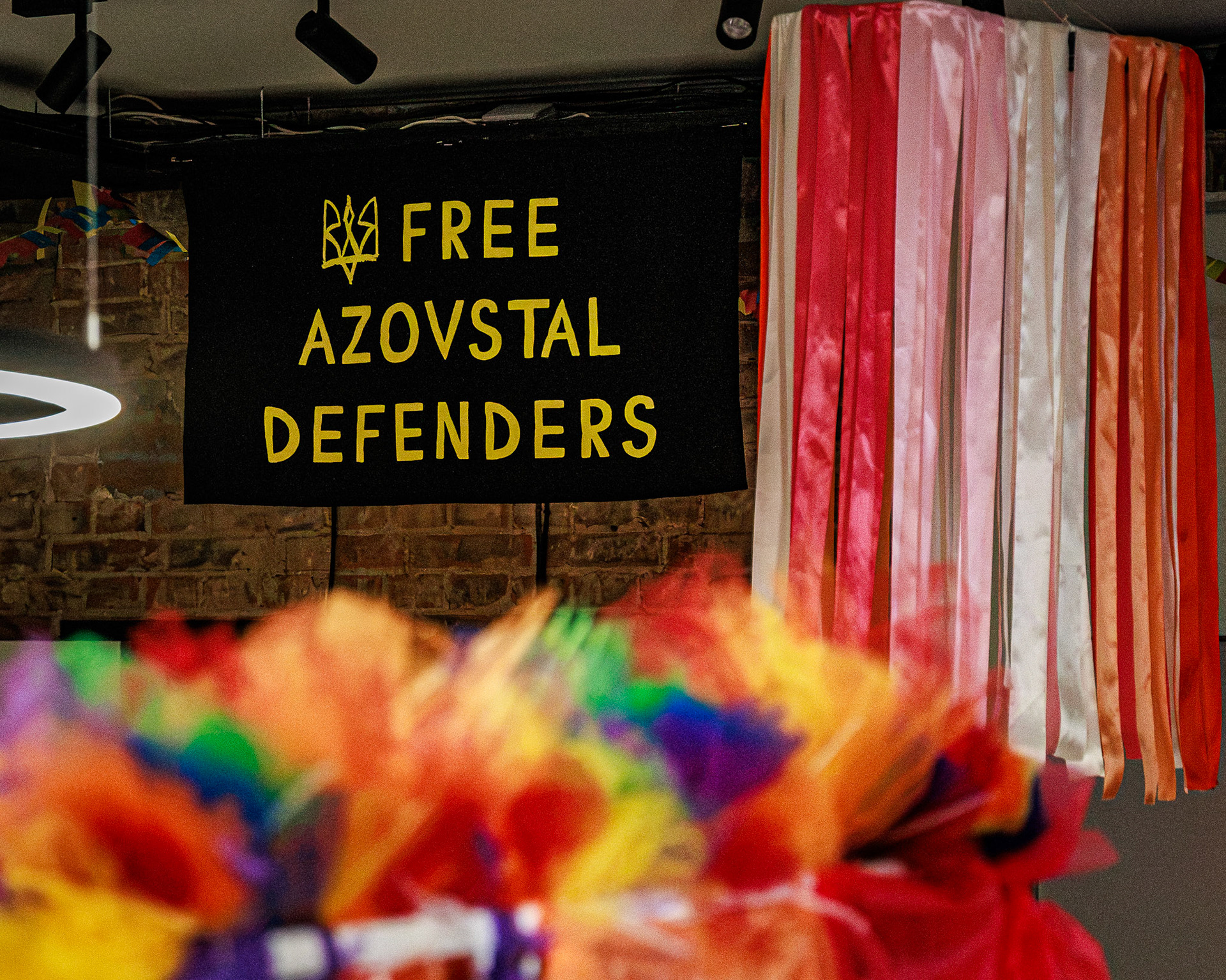
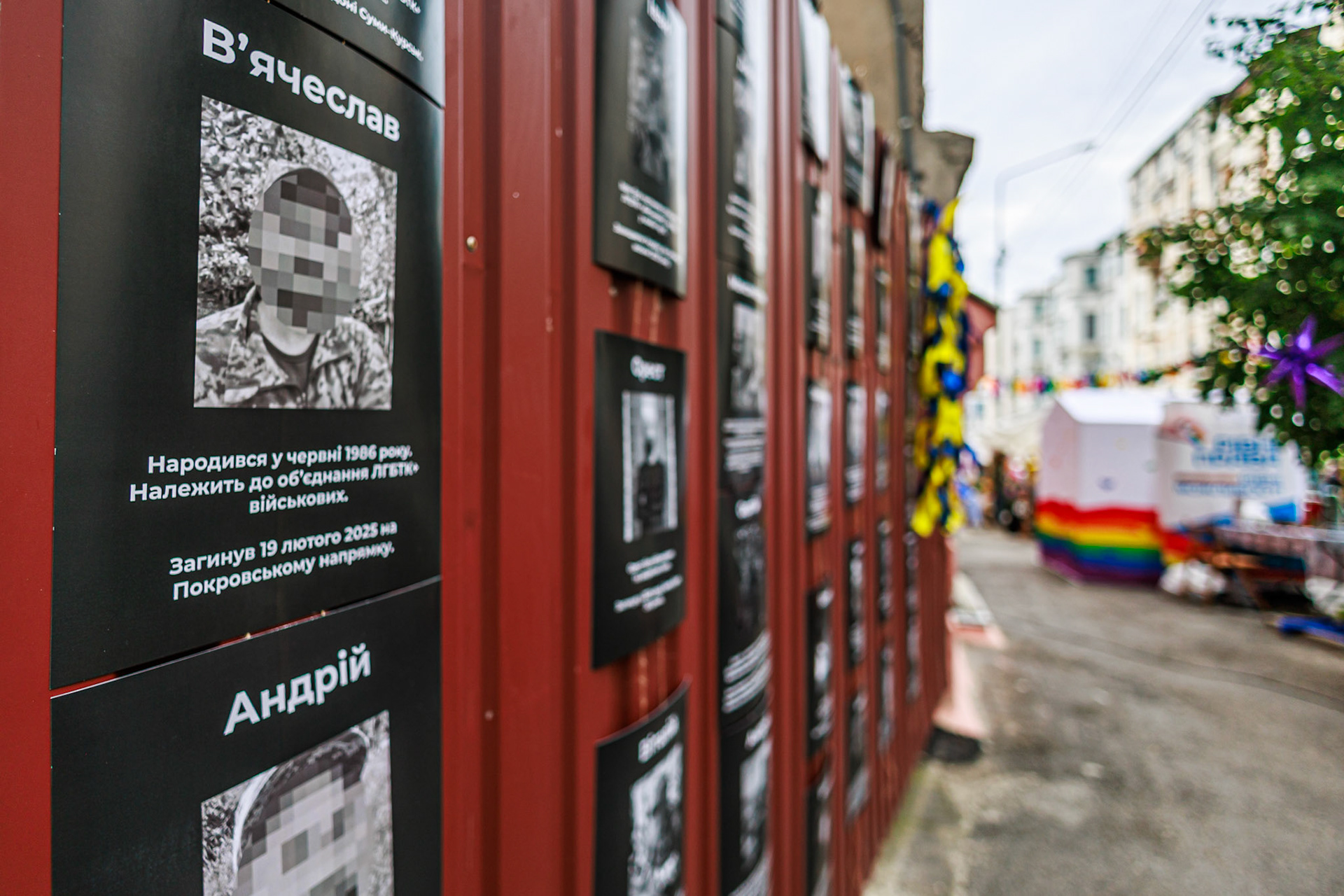

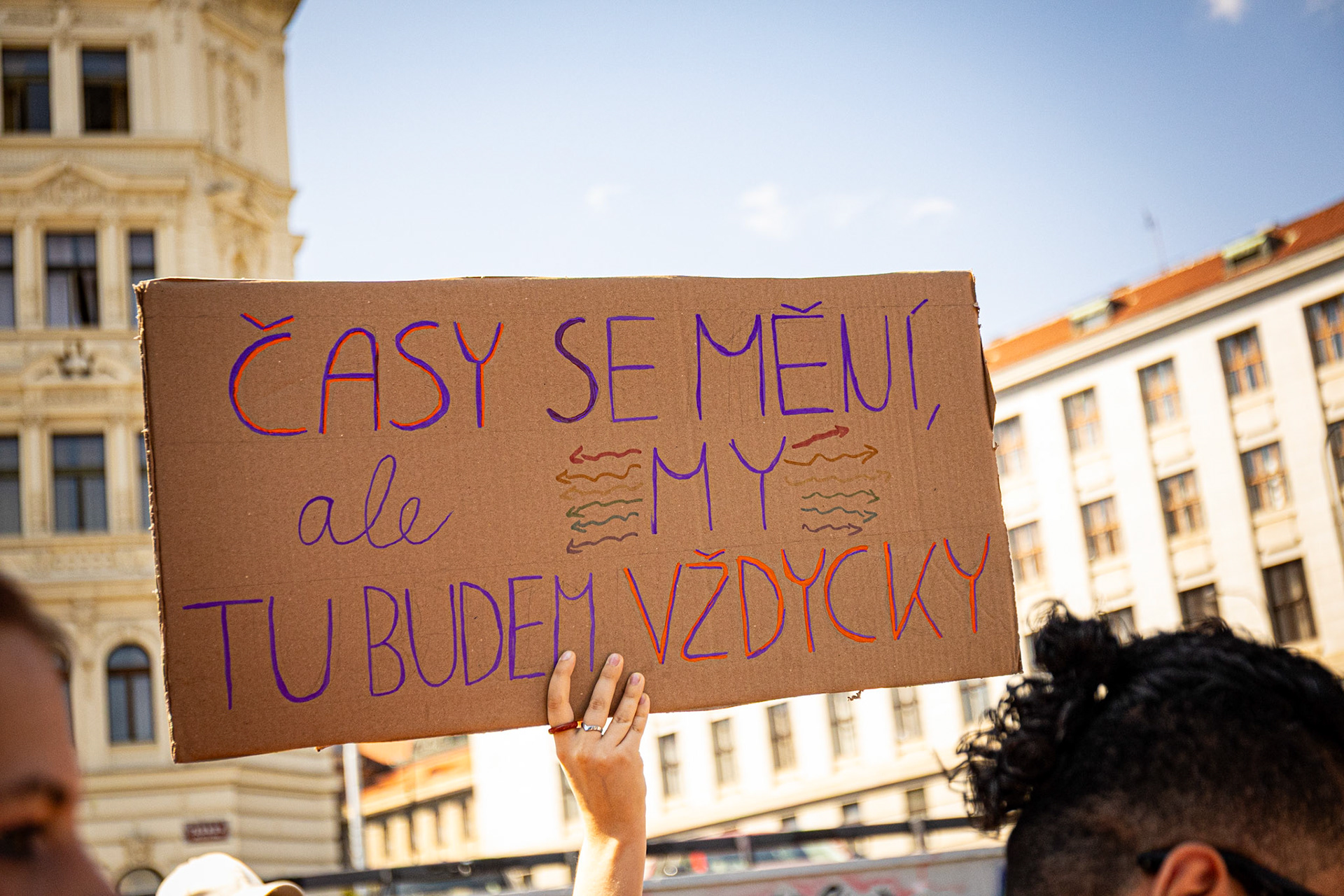
2026 - Prague - Prague Pride
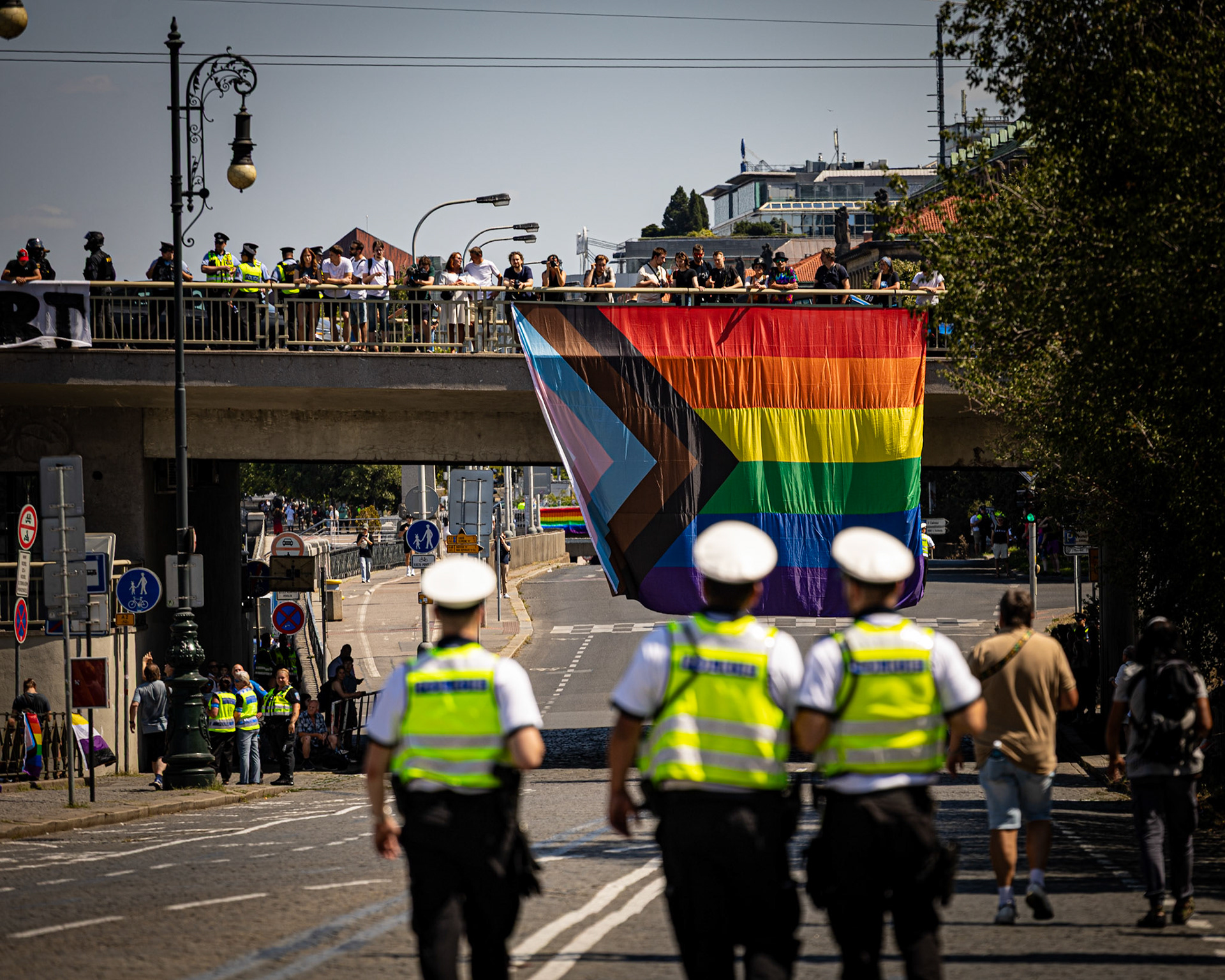
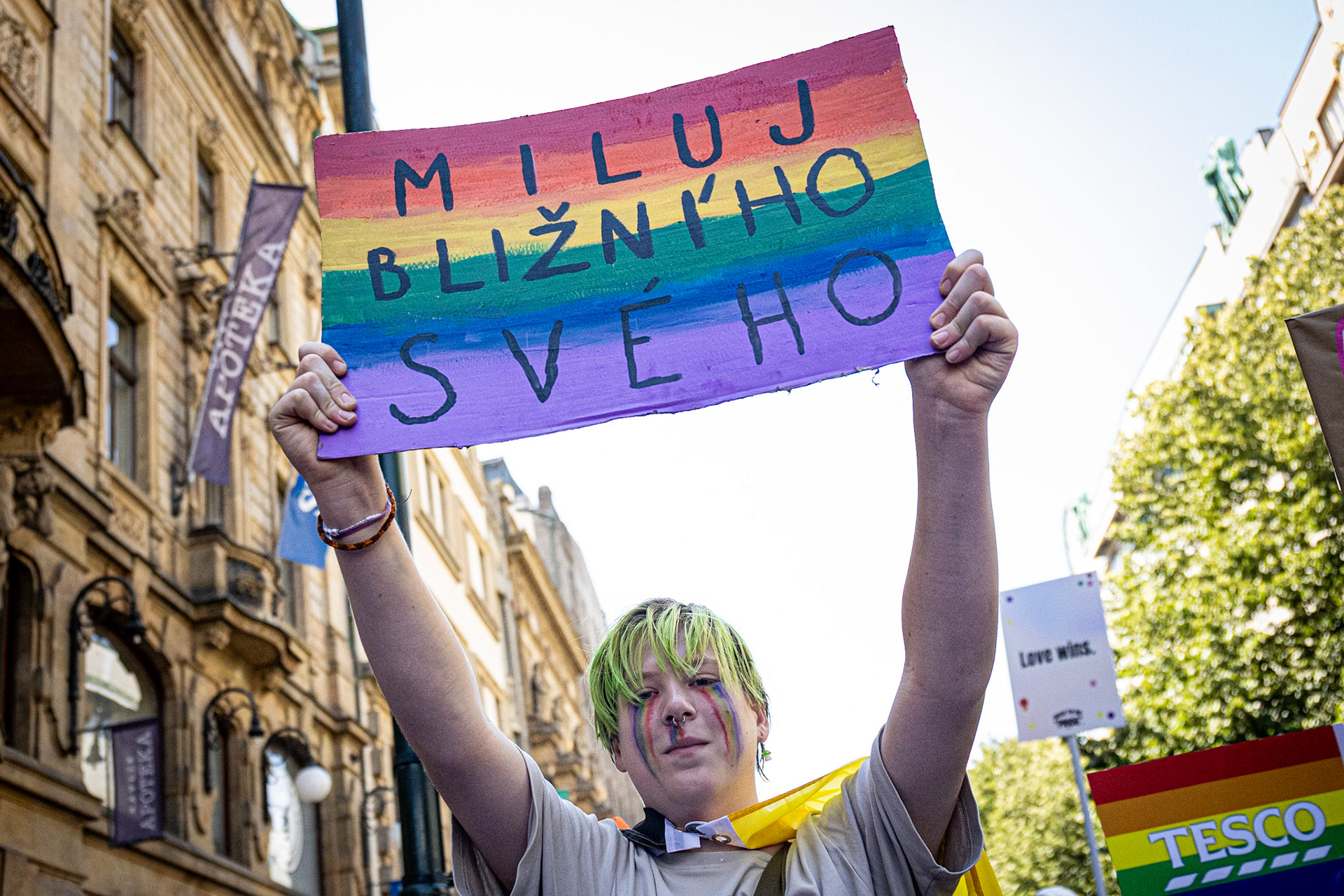
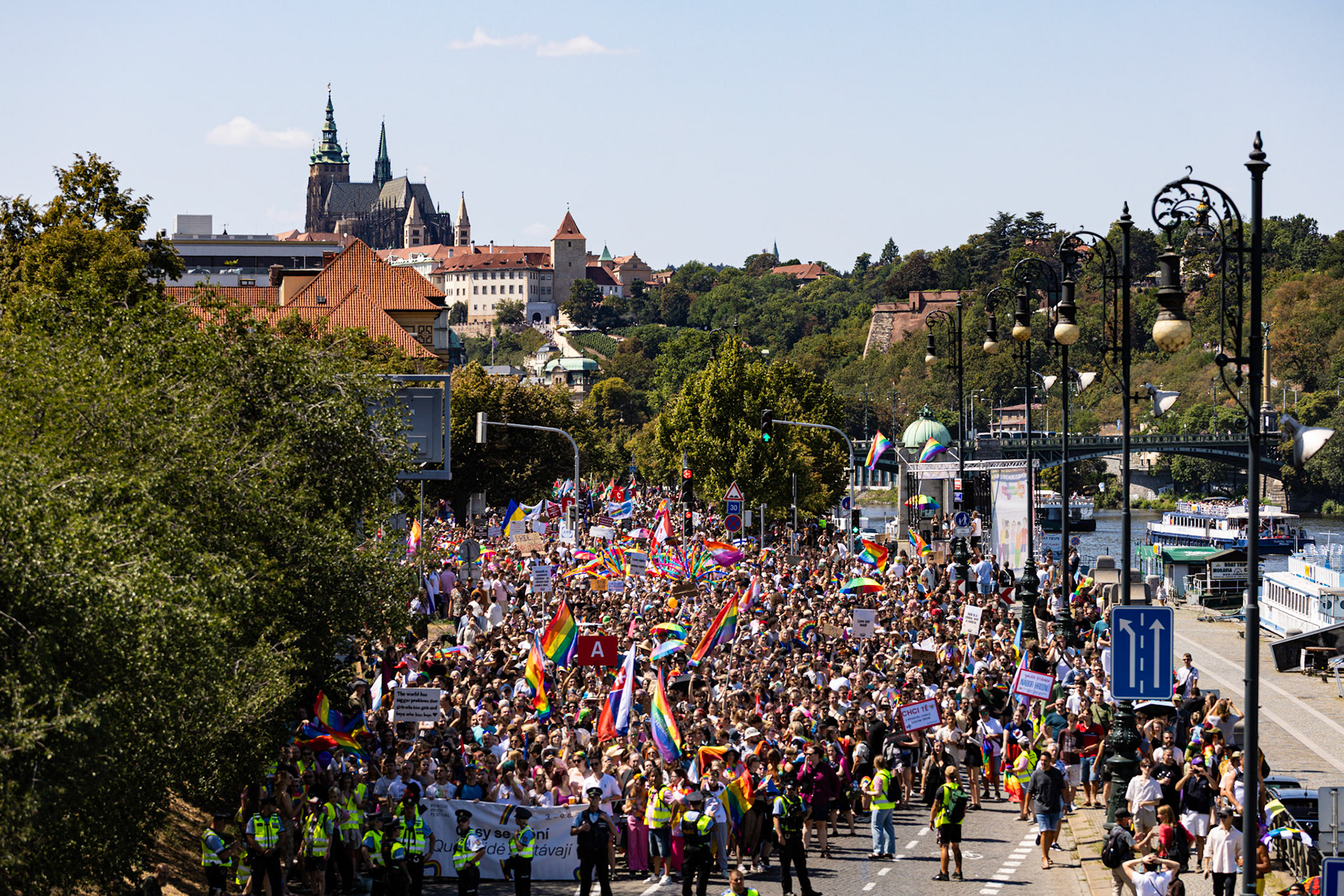
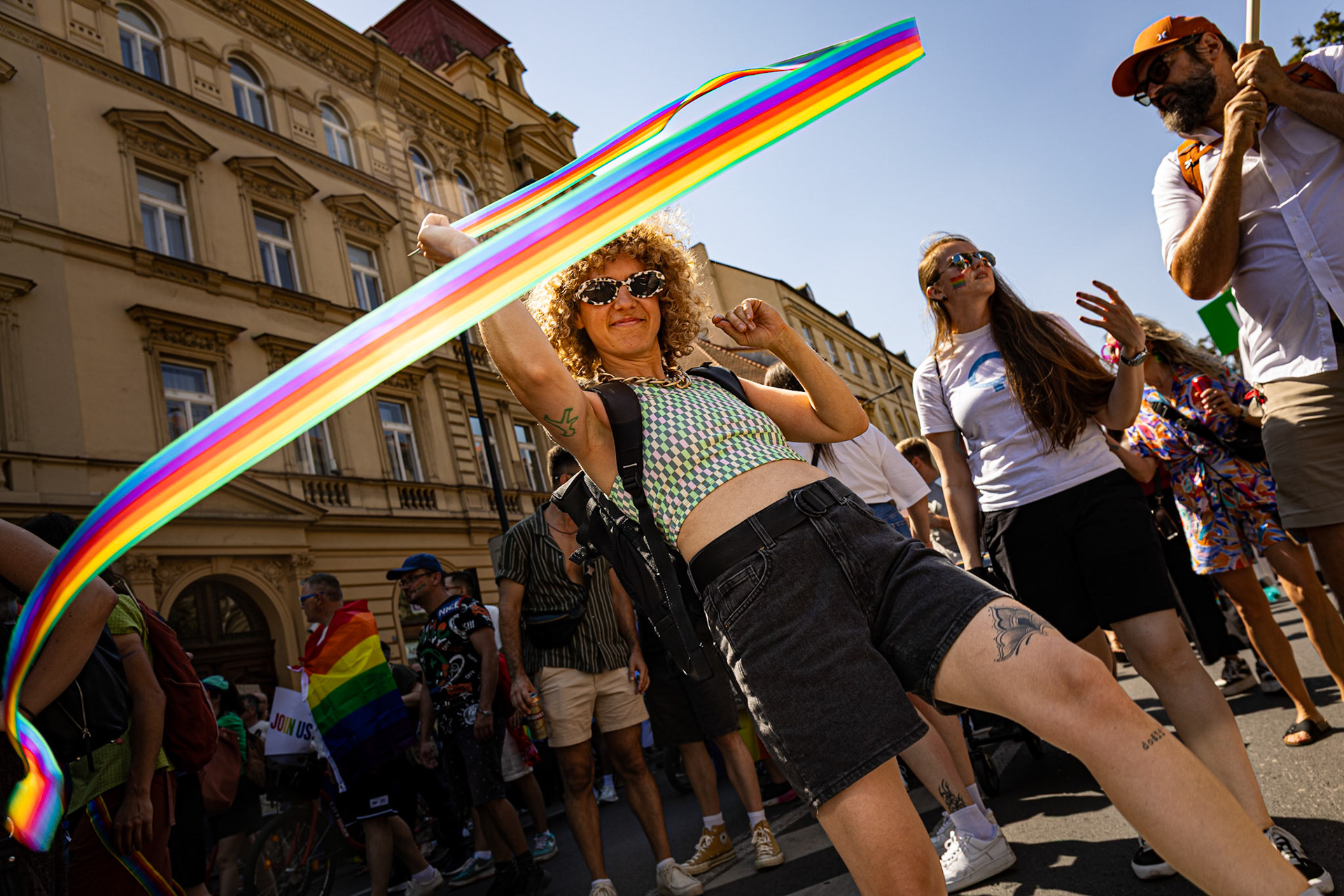
Theme "Times Are Changing". The first year the march ended on Štvanice Island instead of Letná. Around 45,000 people - the same as the year before. Two weeks after a van was driven into the crowd at Berlin Pride, security was heavier: hundreds of officers, bag checks, a minute of silence on Wenceslas Square before the start.
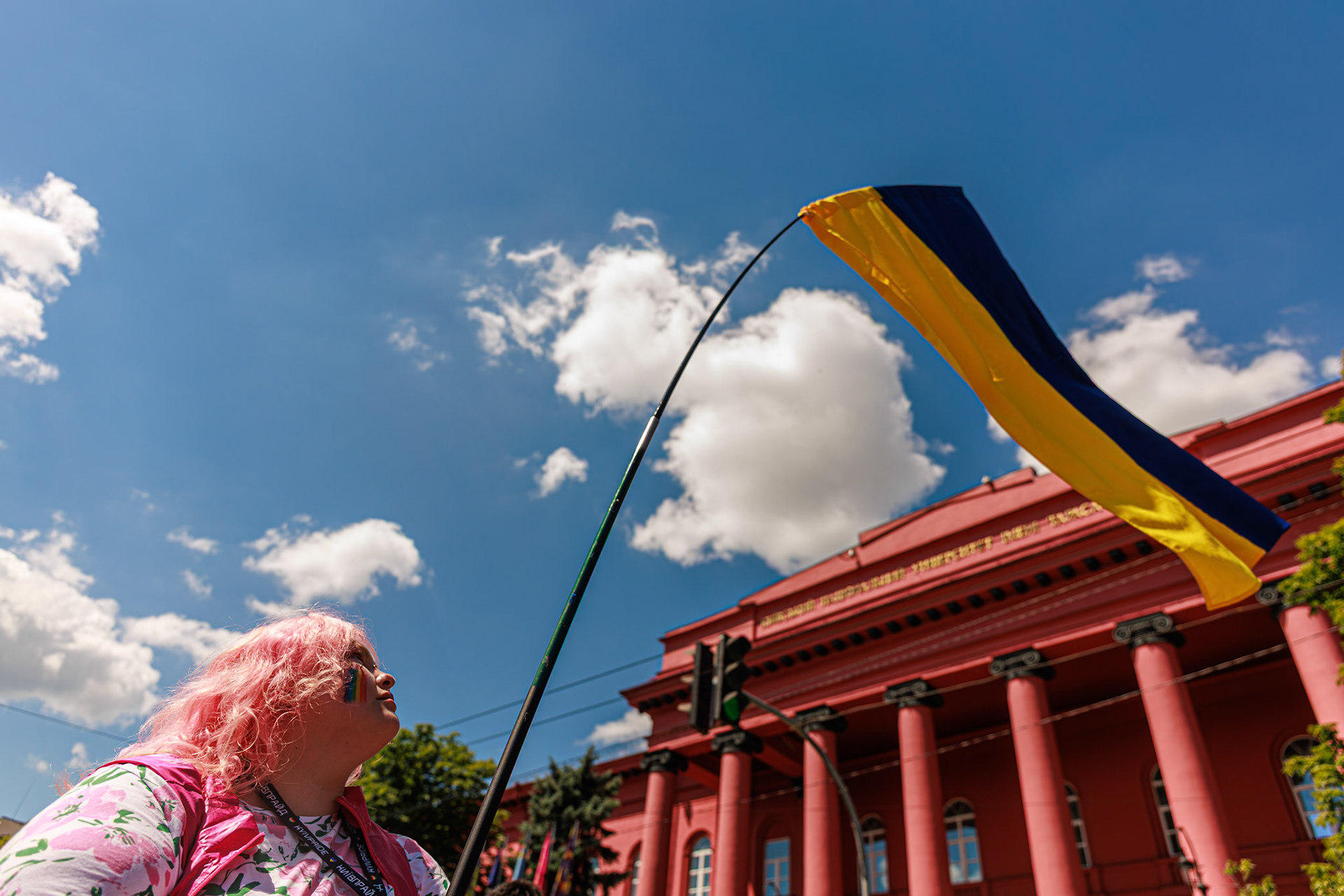
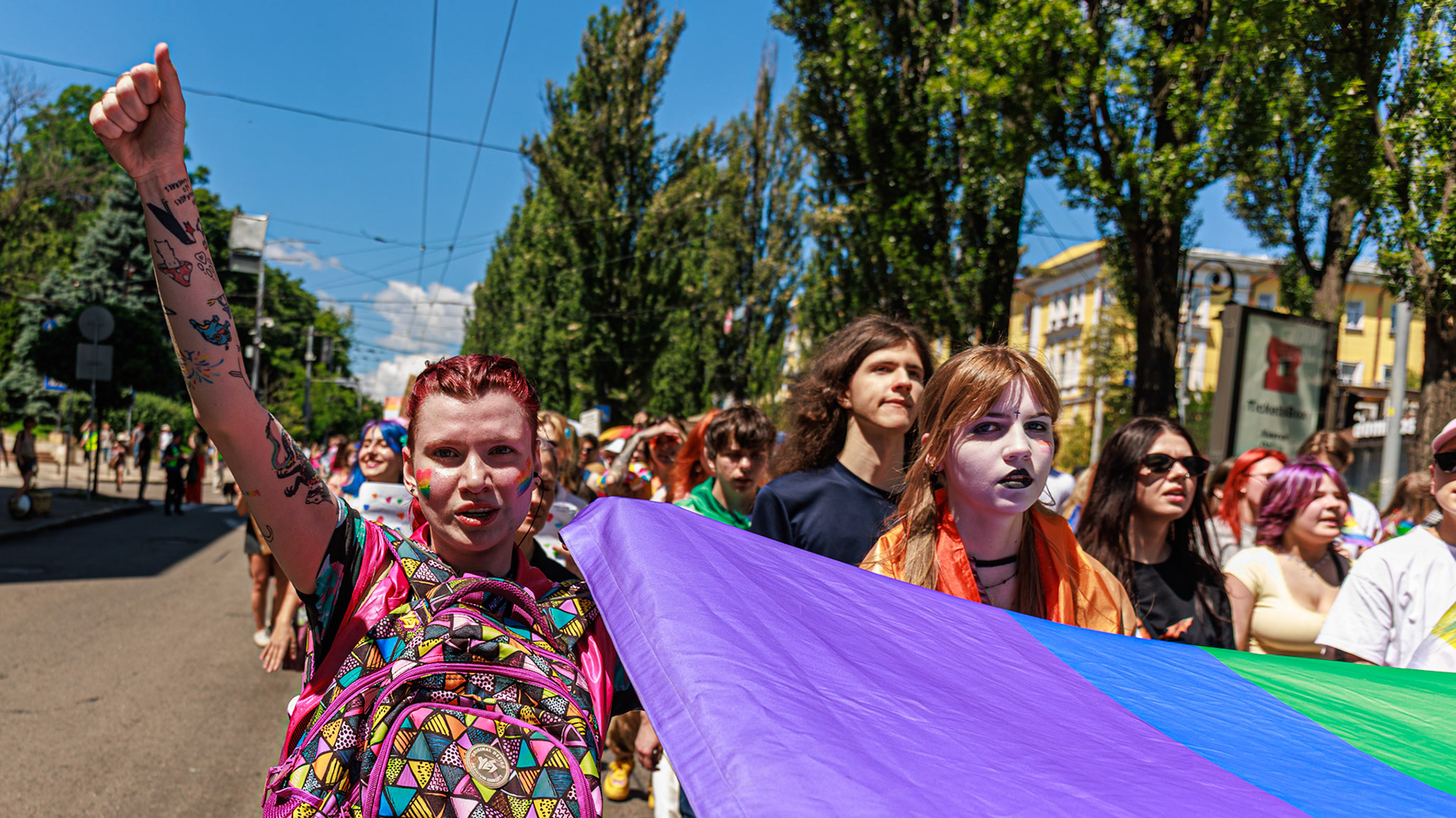
2026 - Kyiv - KyivPride
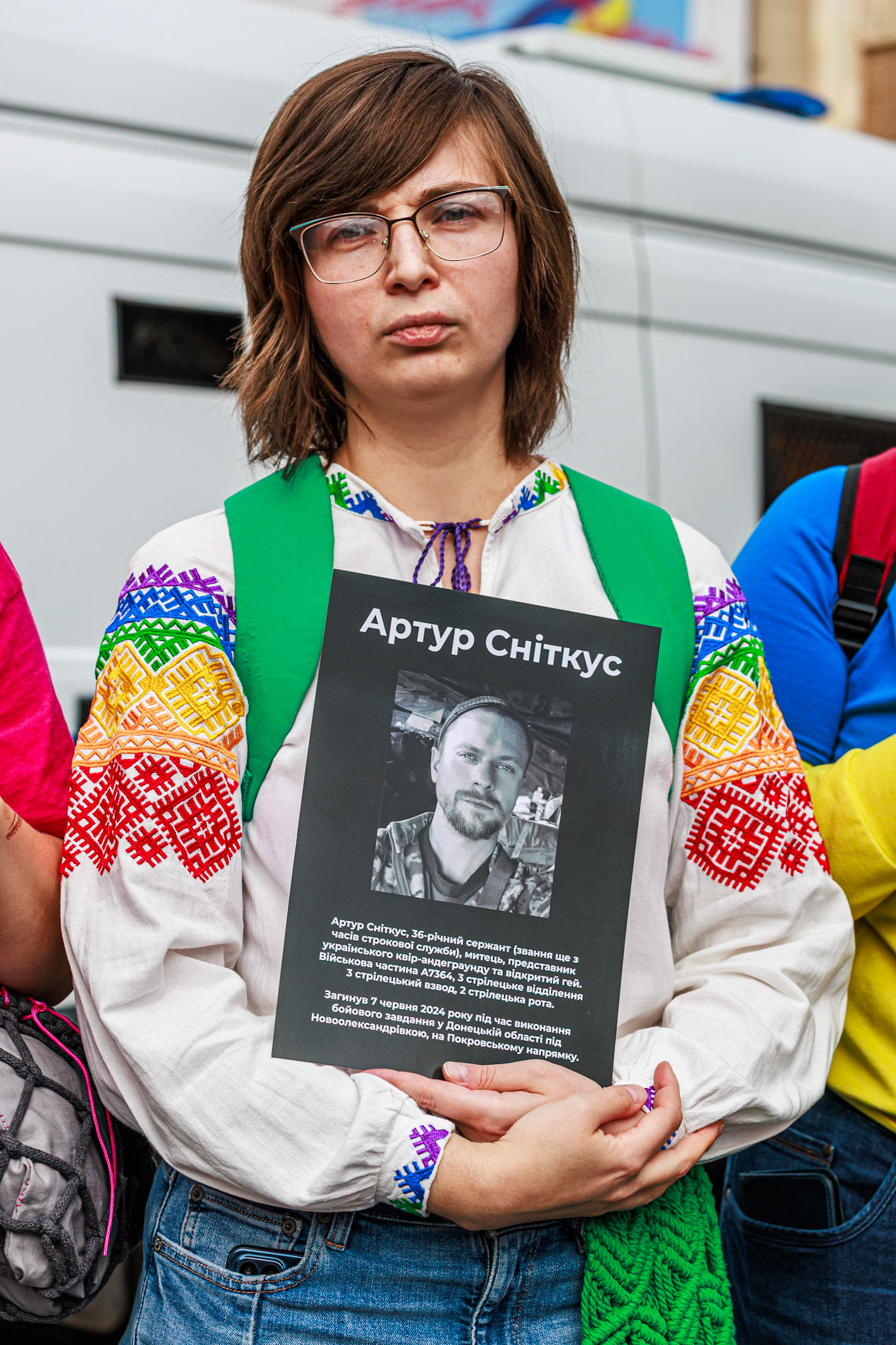
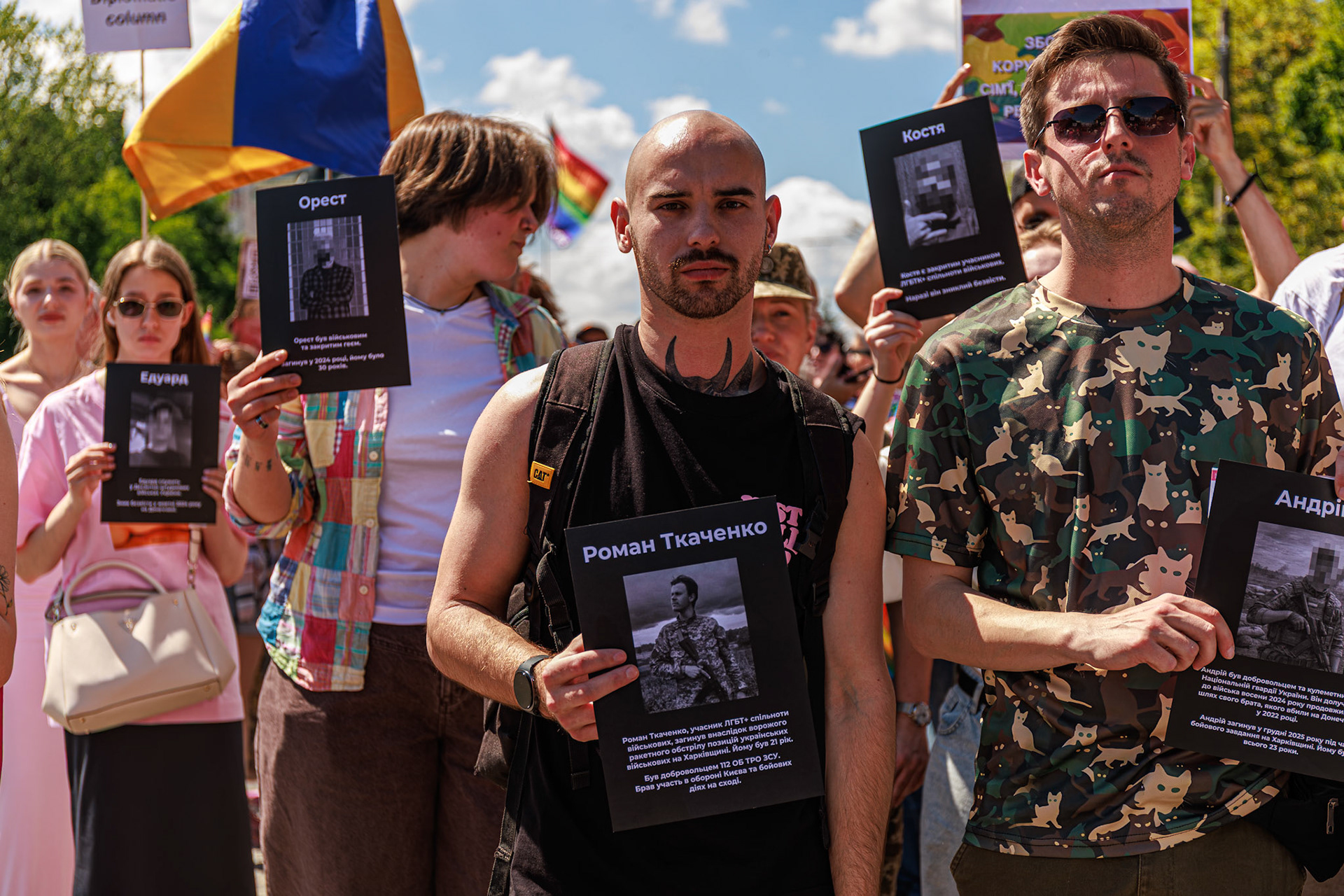
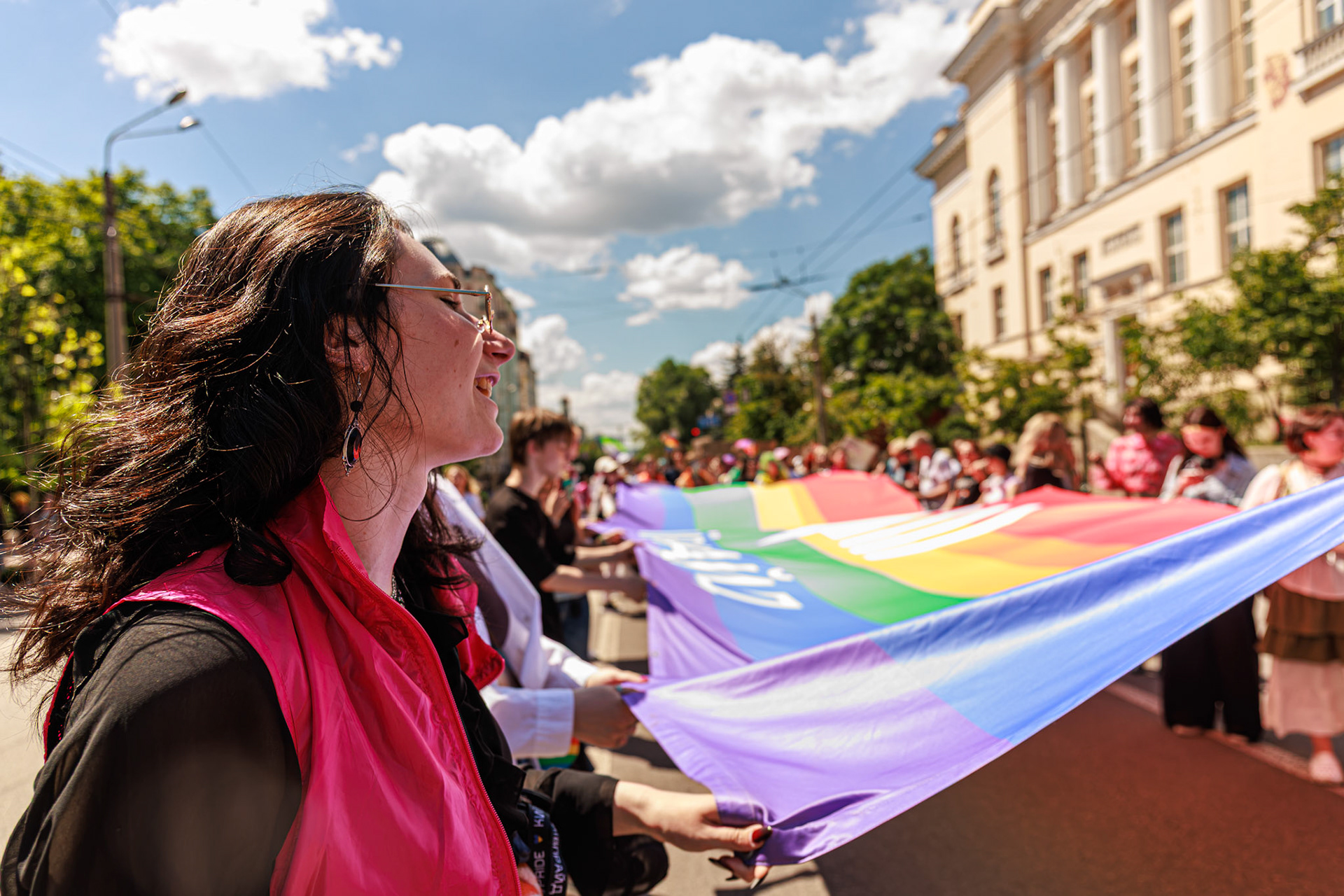
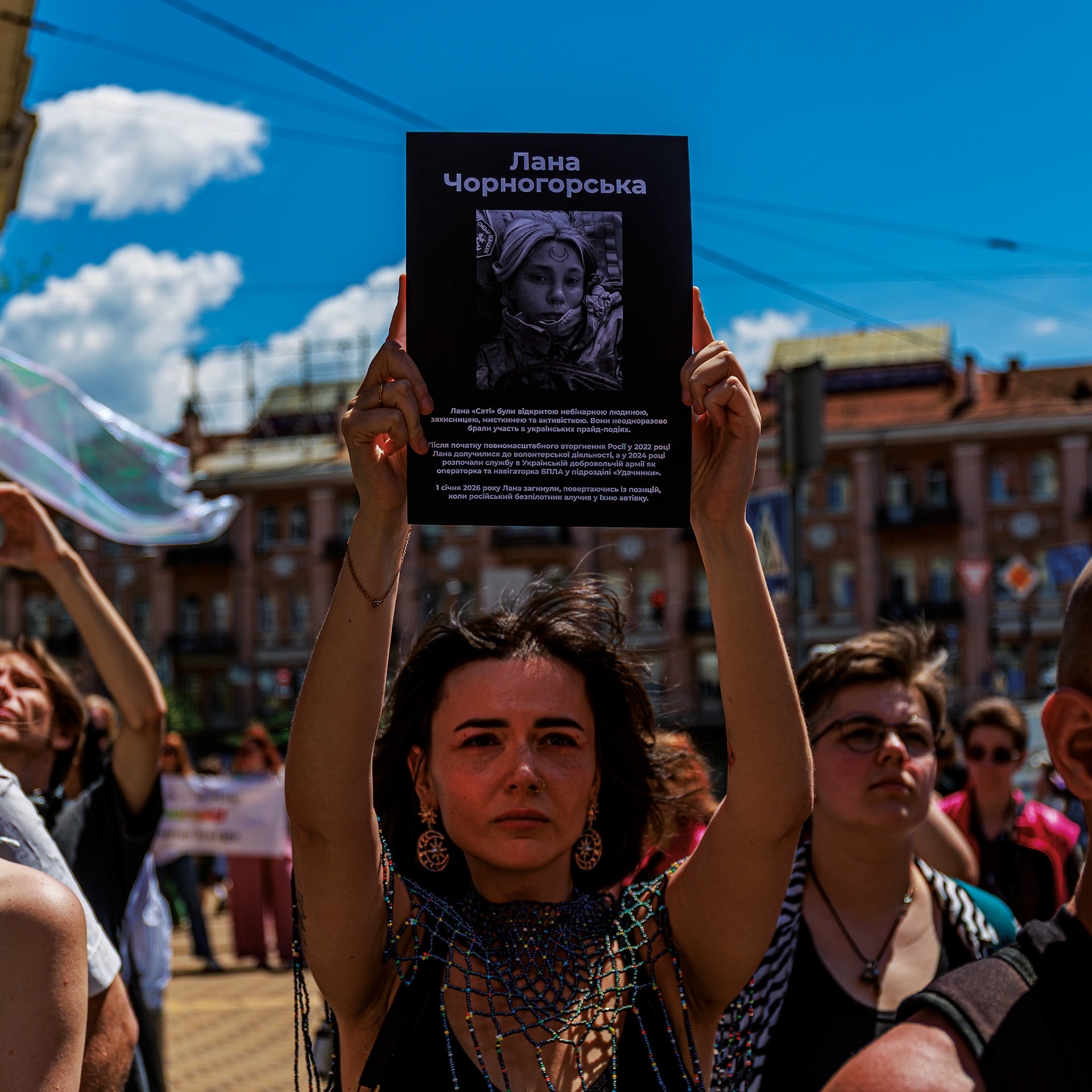
he third Pride in Kyiv since the full-scale invasion. About 5,000 people marched from Taras Shevchenko University inside sealed police blocks. At the front, portraits of fallen queer soldiers under "We are their voices". It ended with an air-raid alarm, and the crowd went down into the metro.
Talking to Olena Shevchenko changed how I see activism. Her organisation, Insight, gives queer people across Ukraine legal, psychological and humanitarian help. The war, she told me, does not make everyone equally vulnerable - it deepens the inequalities that were already there. Queer people die at the front, and to the state their families are nobody.
Two answers stayed with me most. Vira Chernyhina, when I asked why hold a Pride in the middle of a war: "When, if not now? The next day can be the last day in your life. But your honour, your rights - it's important." And Olena, at the very end of our interview, for people in other countries: "Just don't take it for granted. Everything you have. At some point you can just wake up, and everything is gone. So you need to protect those gains which you already have."
Published in LUI magazine - a reportage and an interview with Olena Shevchenko in the print issue LUI TRUE LUXURY, and the web reportage (19 August 2026). Text, interviews and photographs: Luky K. Interviews: Olena Shevchenko (Insight), Vira Chernyhina (Sphere / KharkivPride / KyivPride), Yakiv Lavrynets; Mykyta and Yegor at Pride Park.
Published in LUI magazine (print issue LUI TRUE LUXURY)
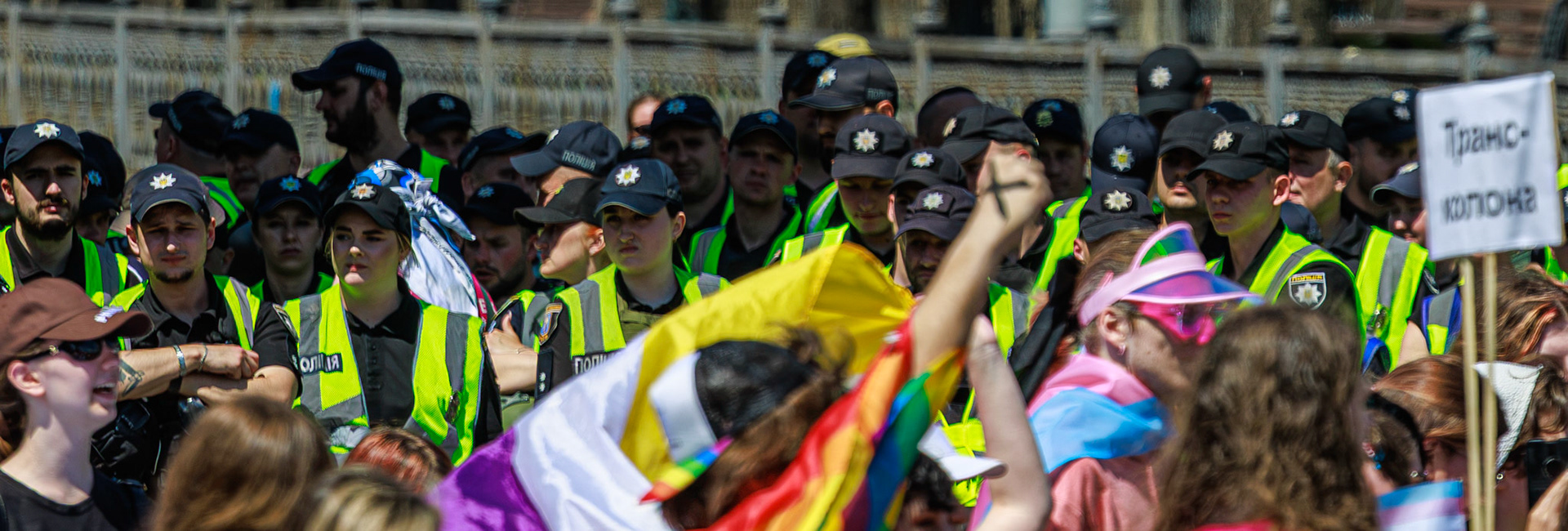
2025 - Belgrade - Belgrade Pride
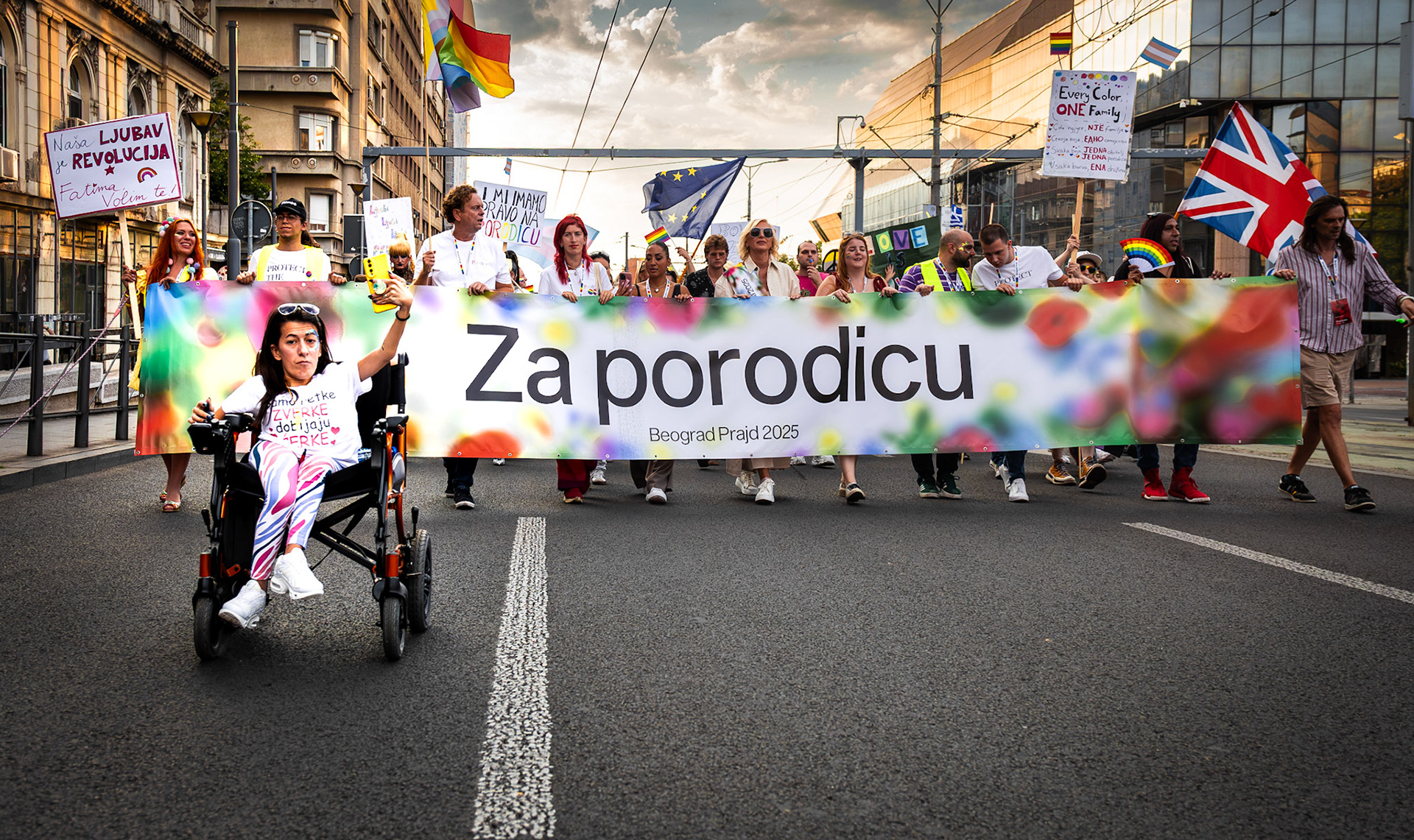
In 2010 the march turned into a street battle and was banned for three years. In 2025 it walked as a protest - "Za porodicu", whistles instead of music, in solidarity with the students after the Novi Sad station collapse. At the Faculty of Law it stopped for sixteen minutes of silence, one for each of the dead.
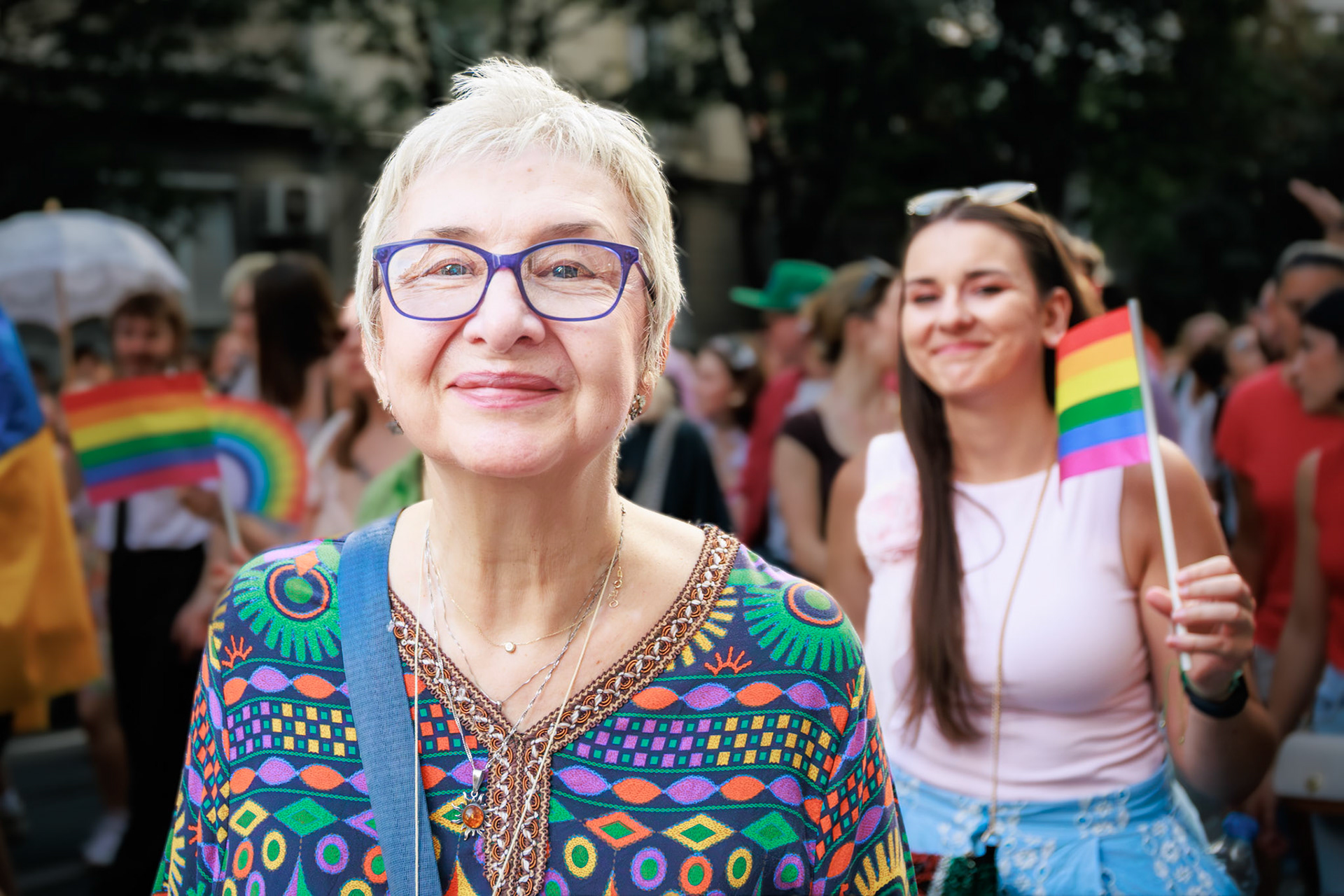
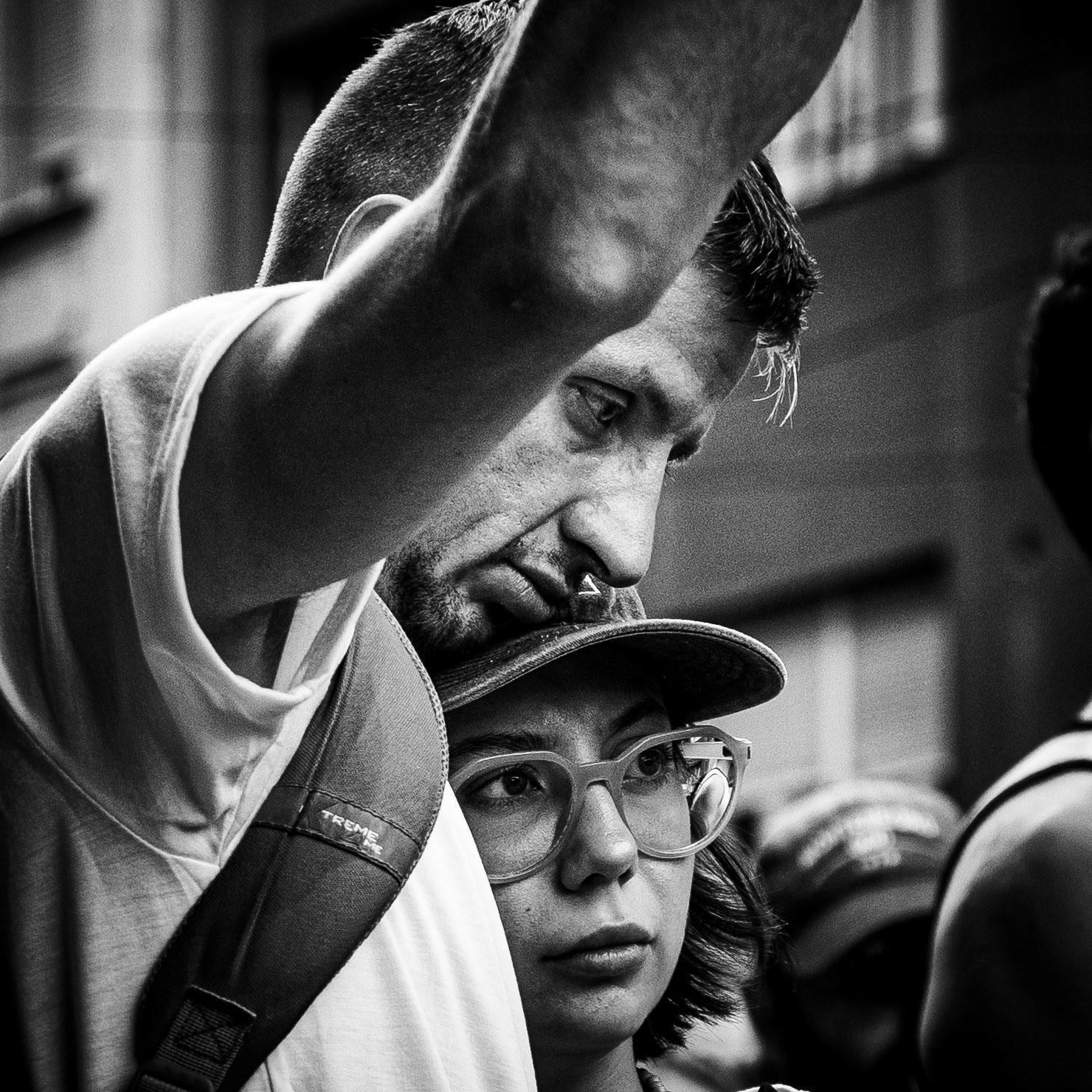
2025 - Budapest - Budapest Pride
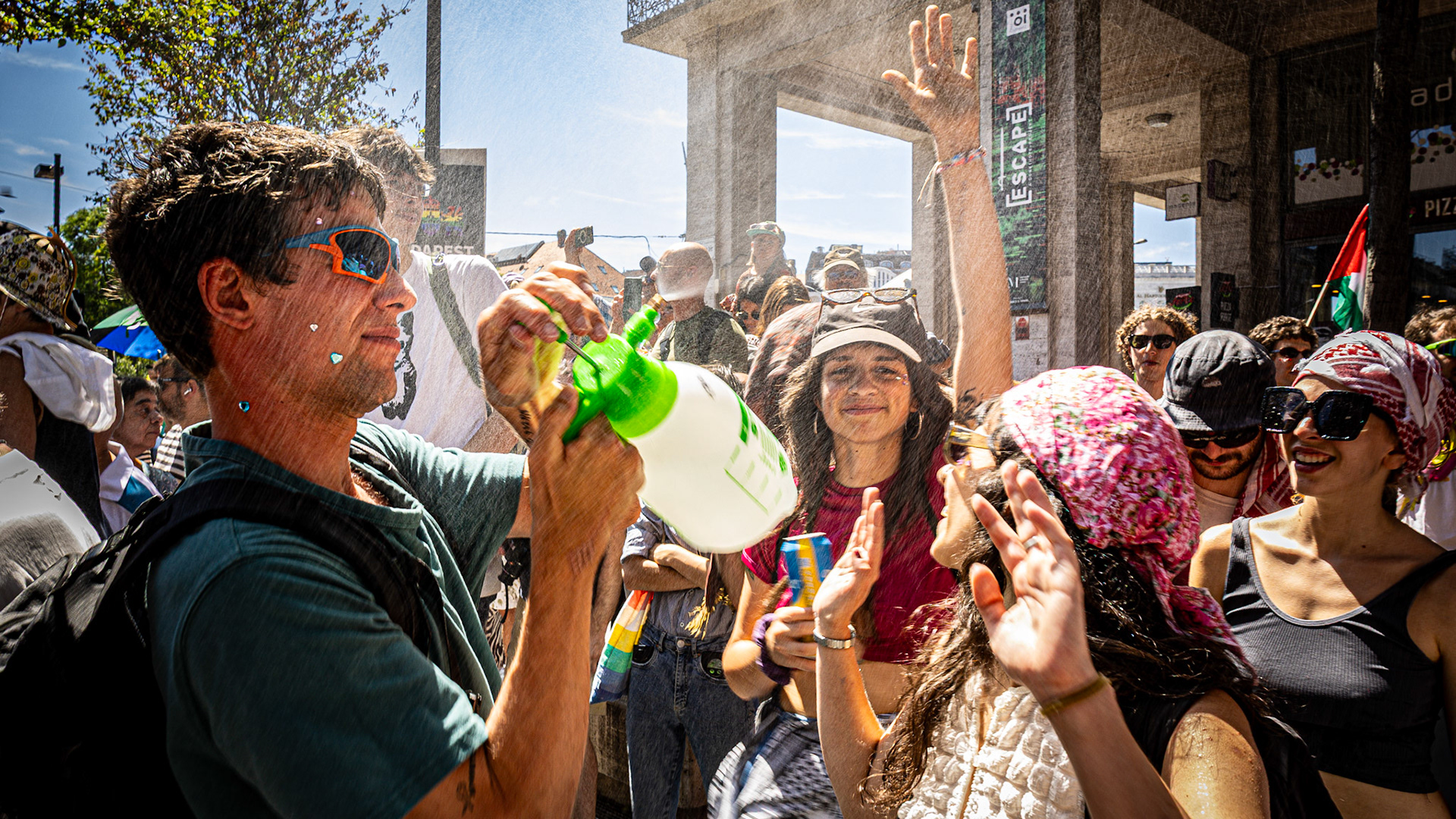
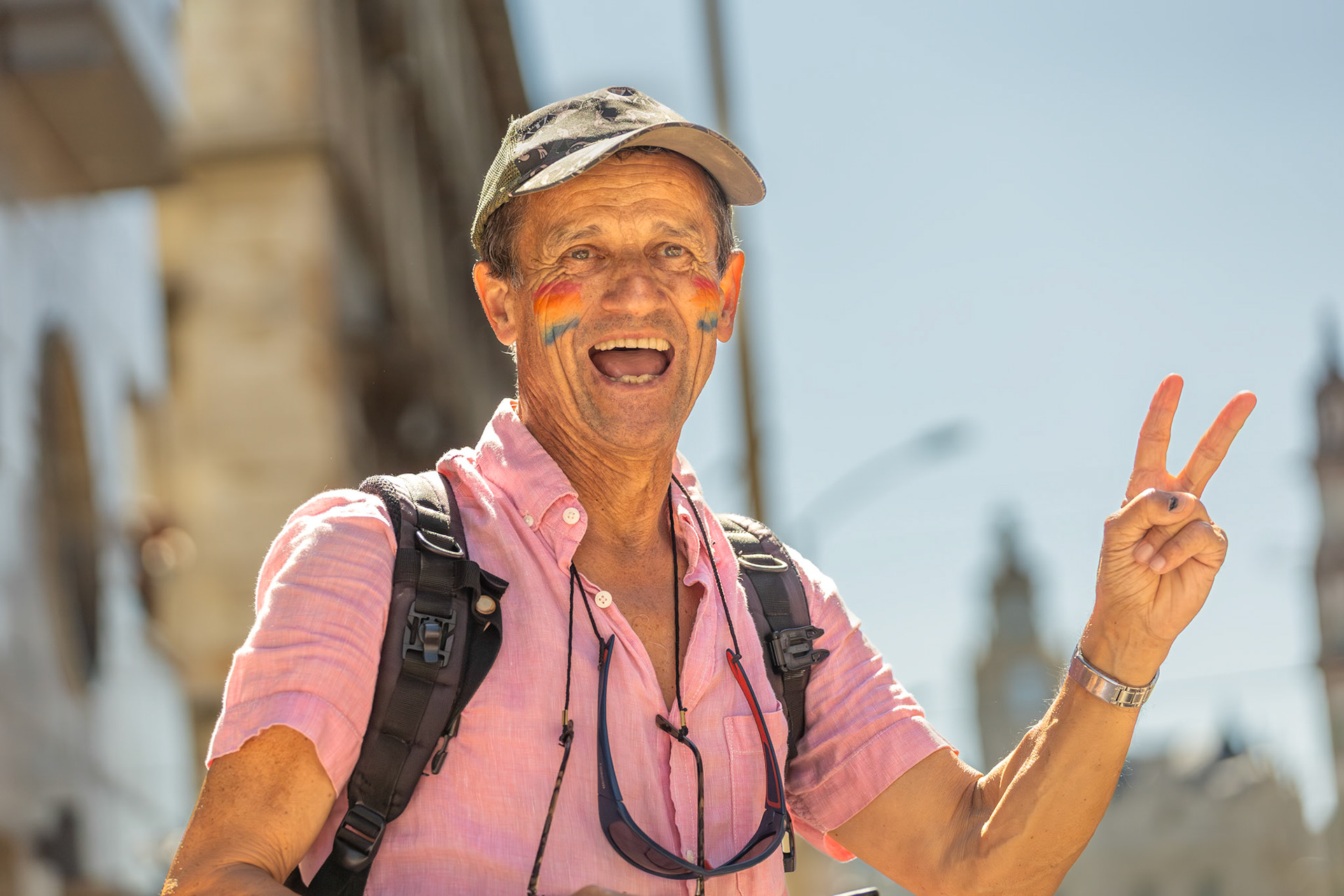
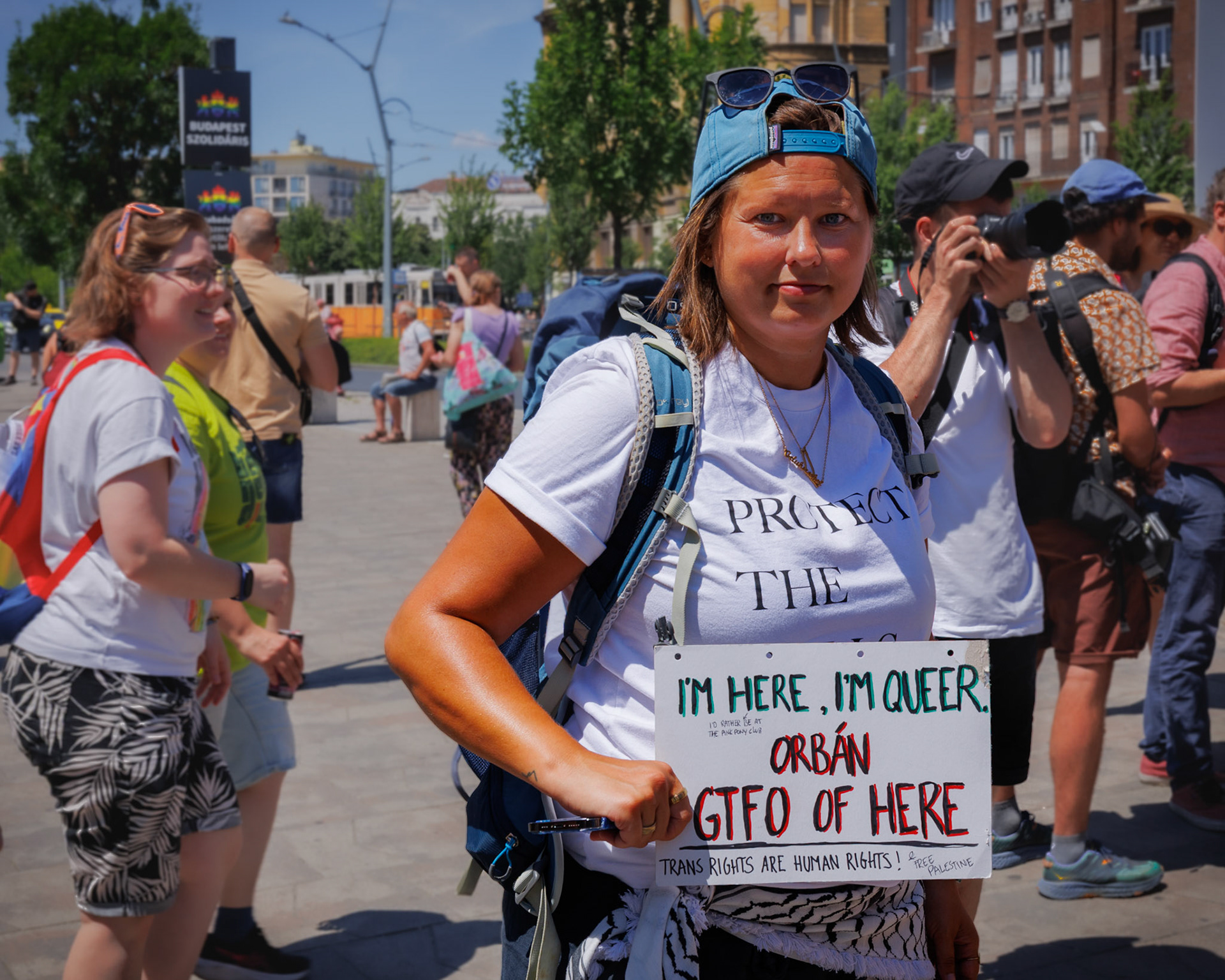
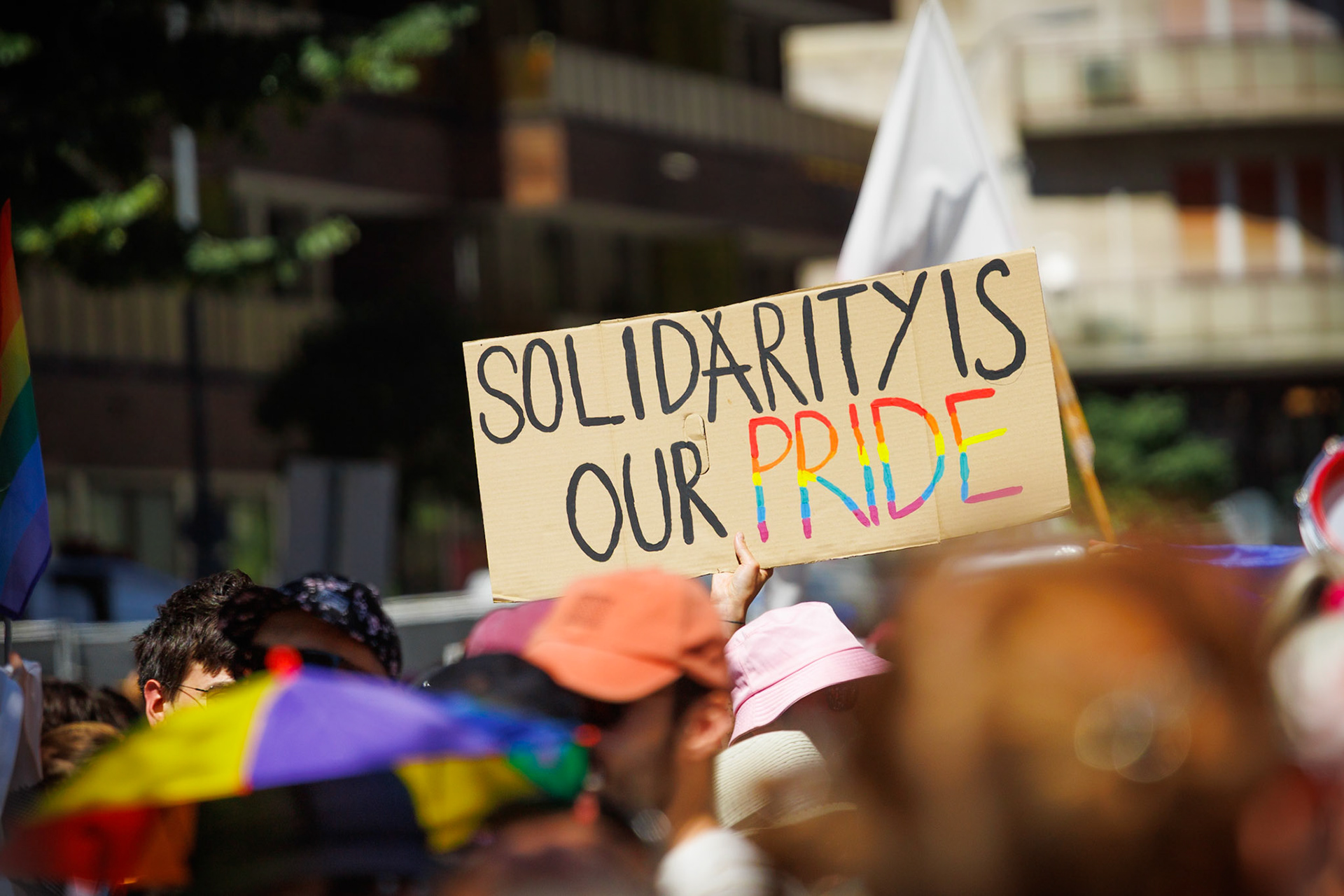
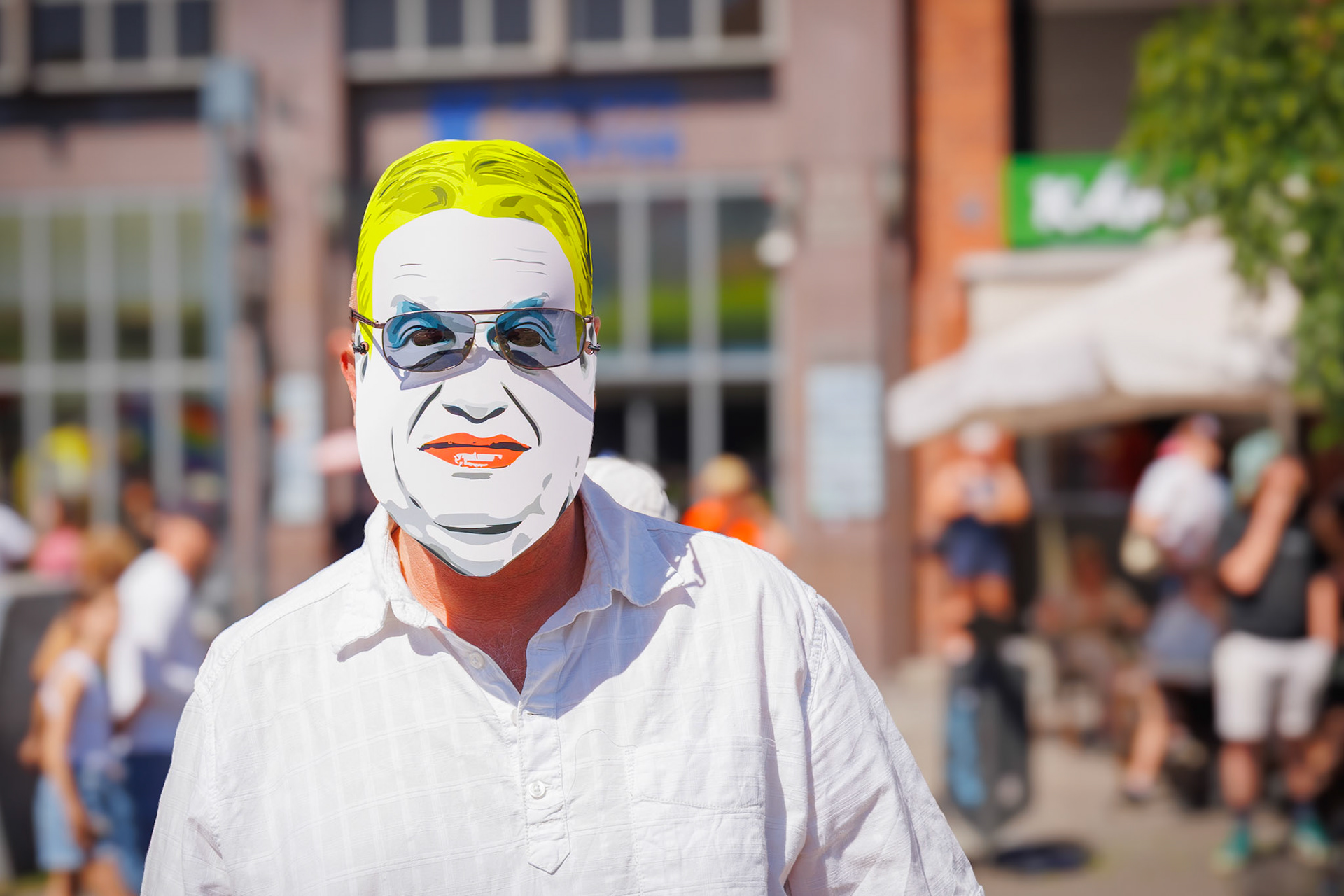
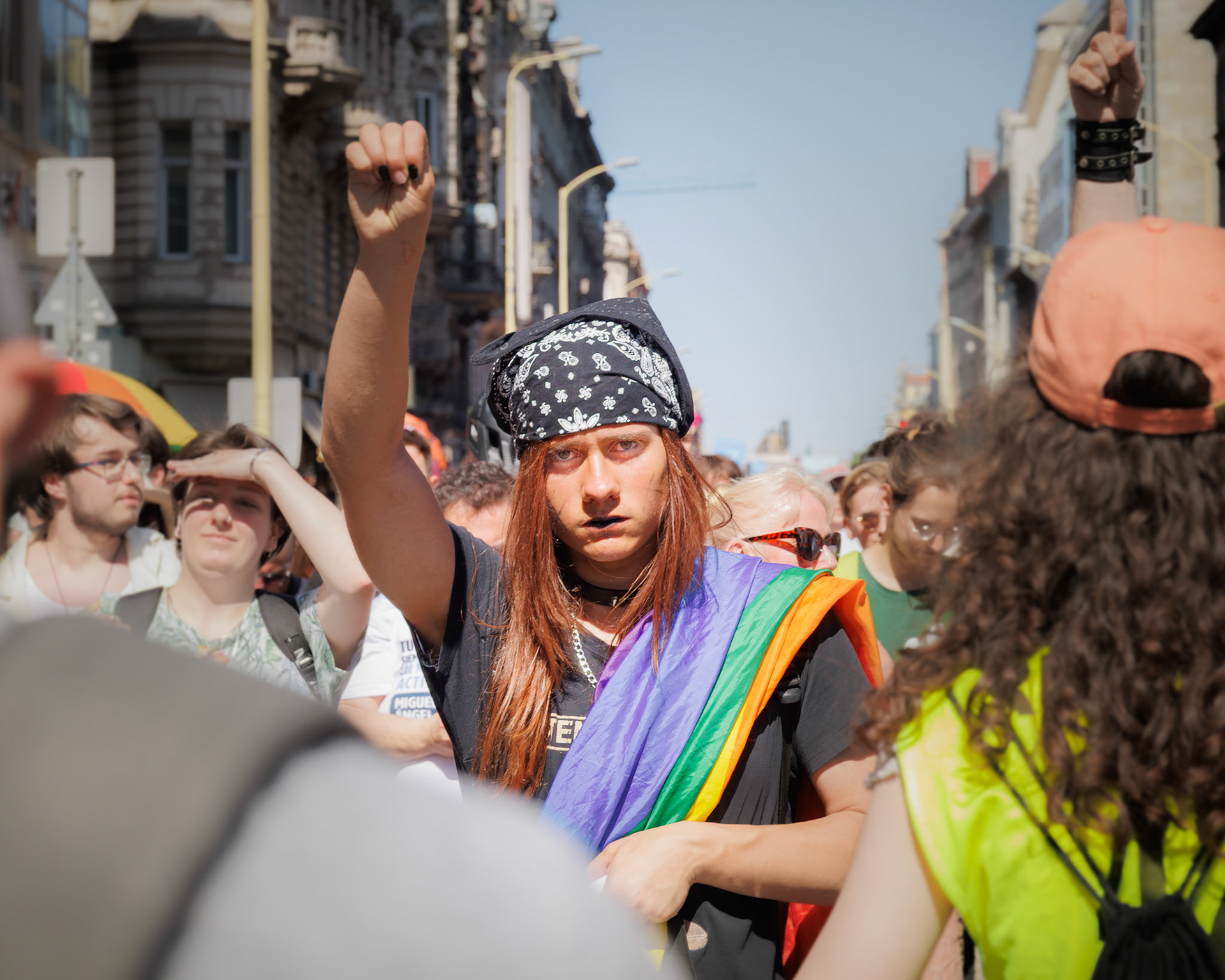
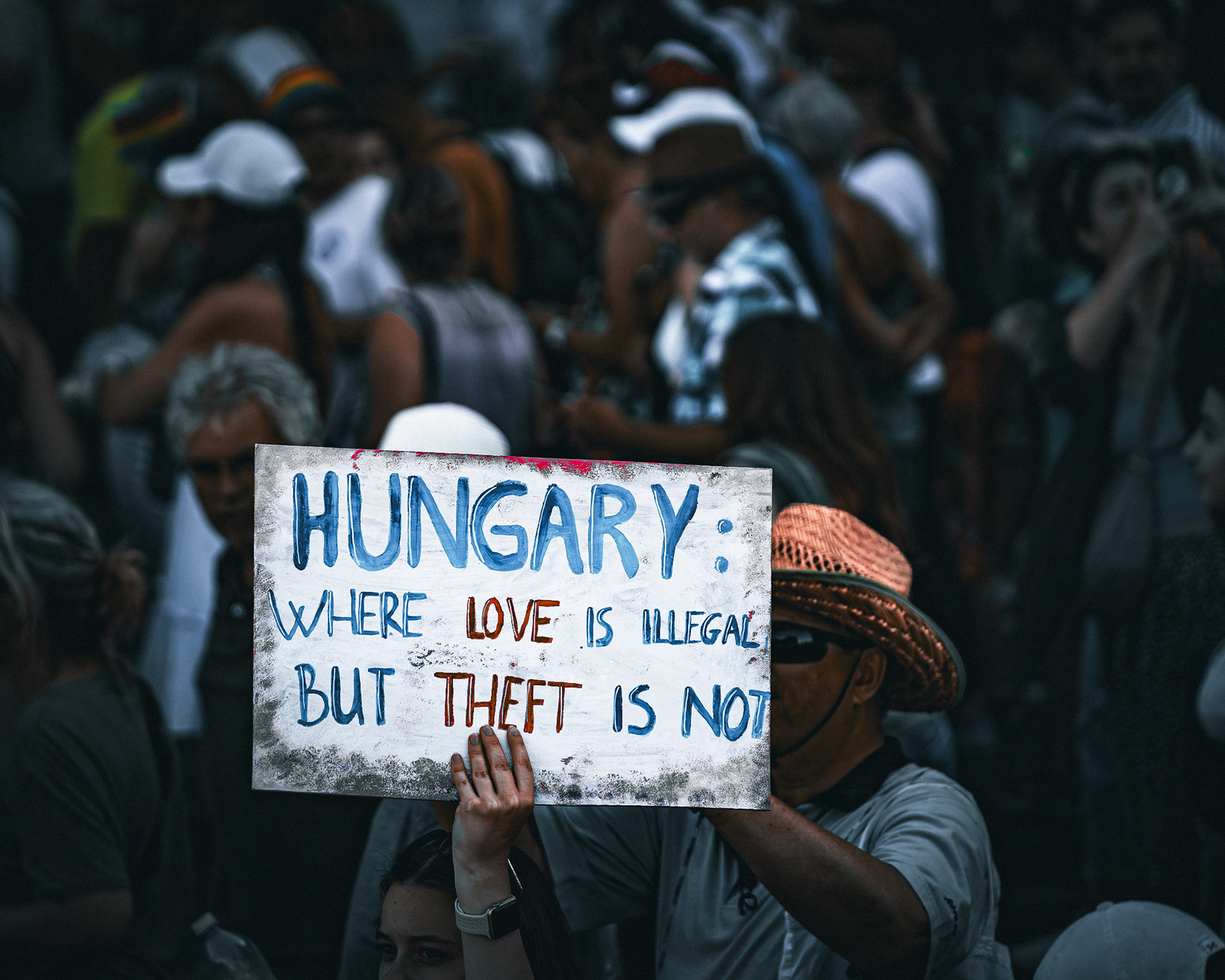
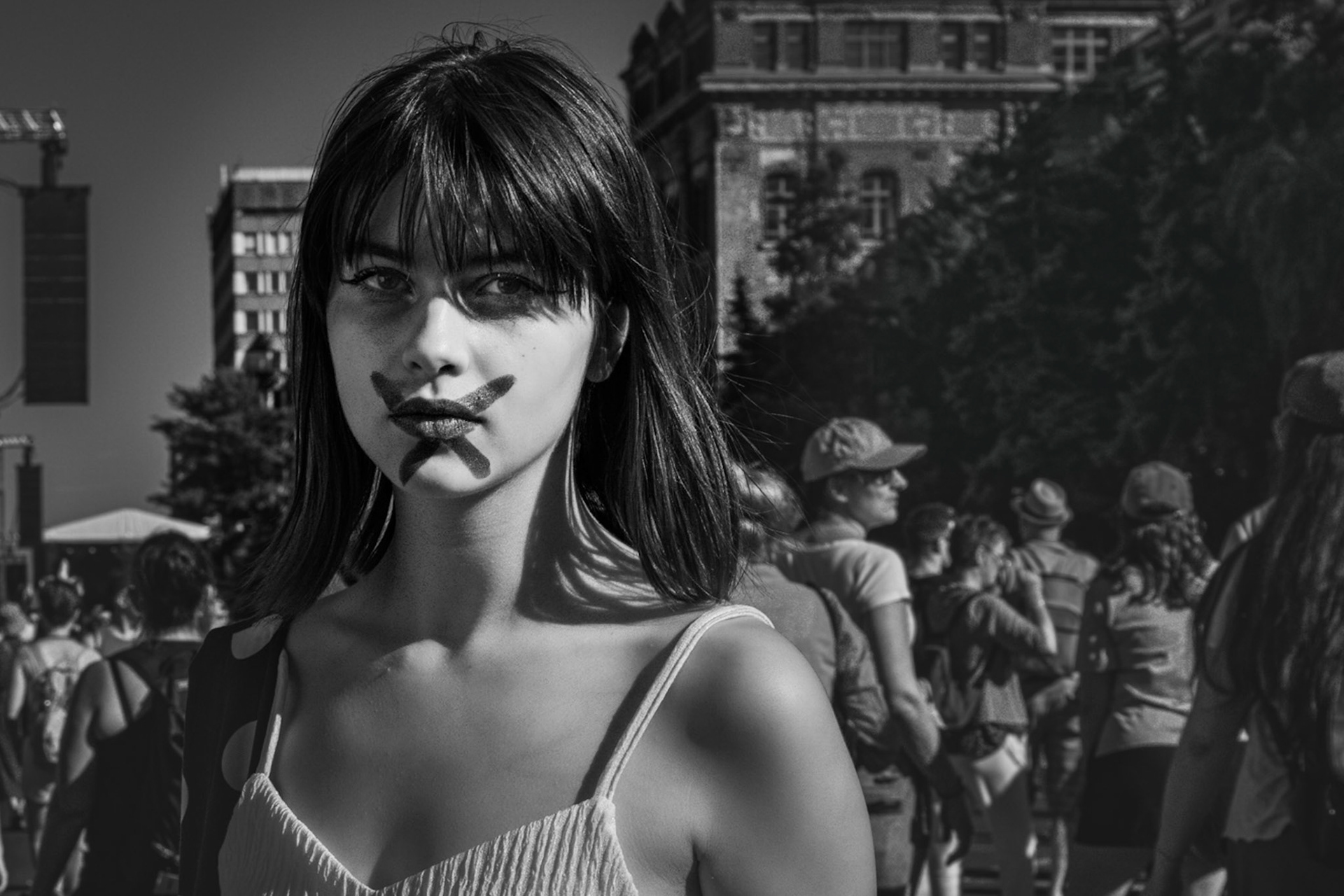
In March 2025 Hungary banned assemblies "to protect children" - a de facto ban on Pride, with fines and facial recognition. On 28 June the march went ahead anyway: 100,000 to 200,000 people, from some thirty countries.
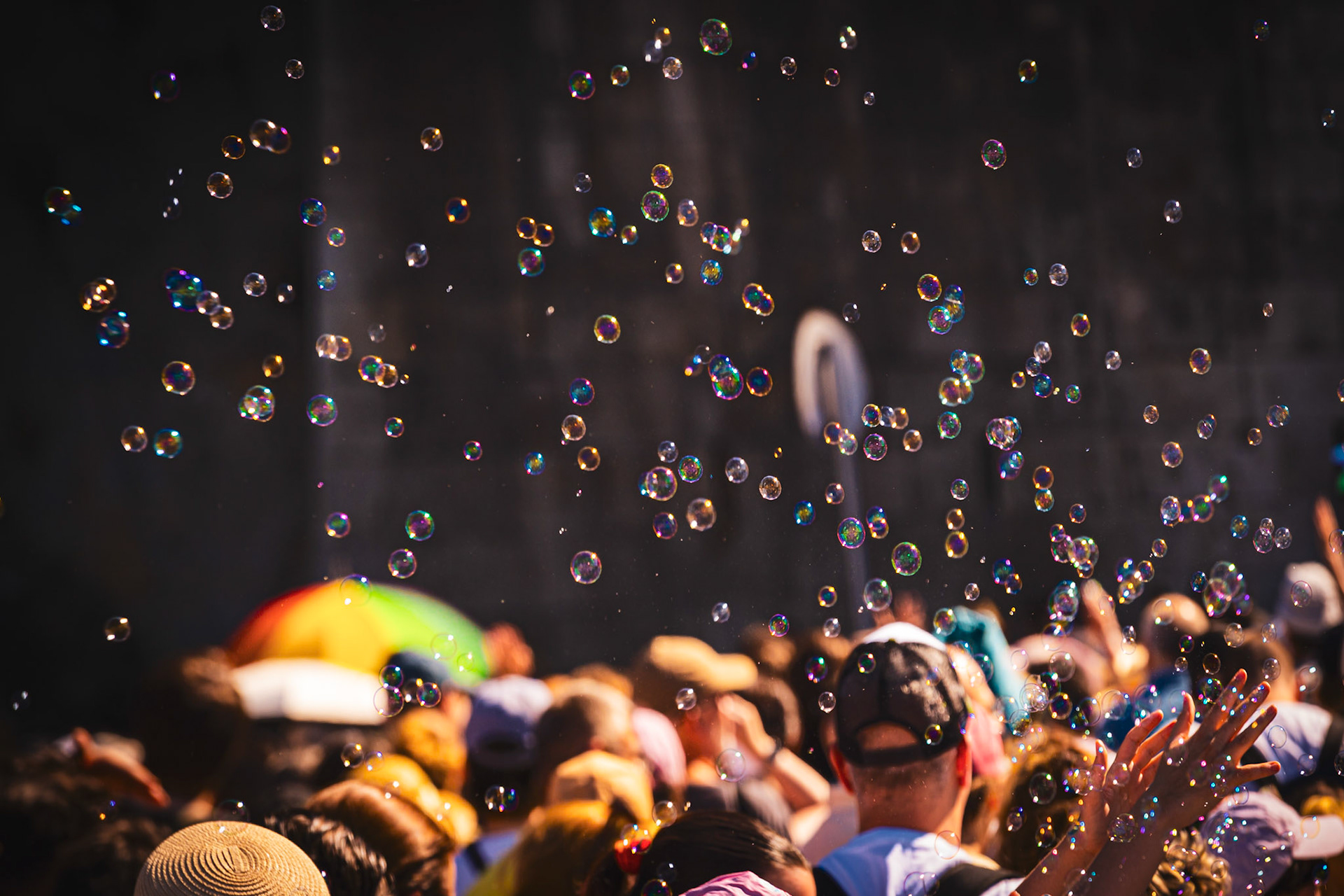
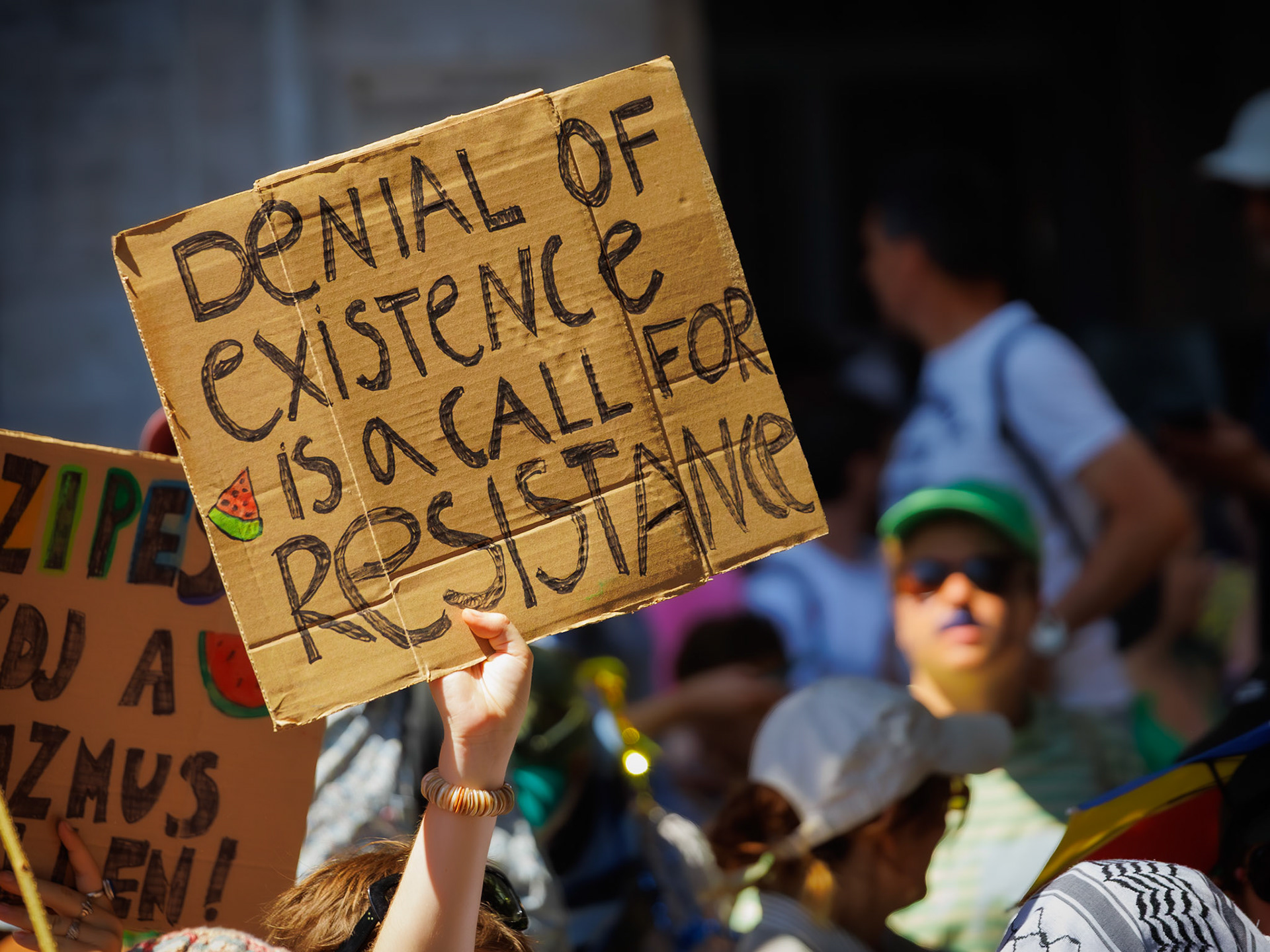
2025 - Sarajevo - BiH Pride March
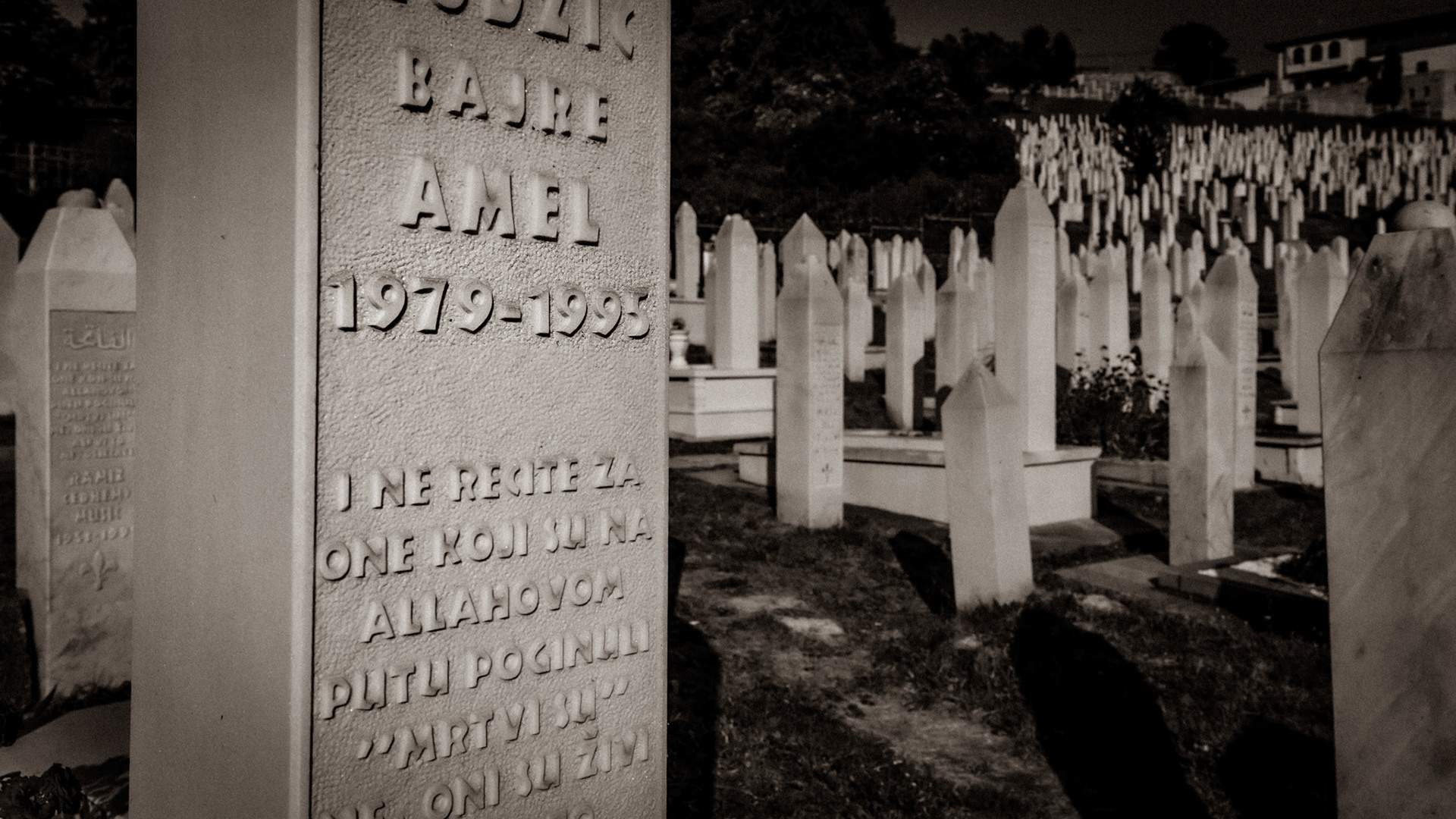
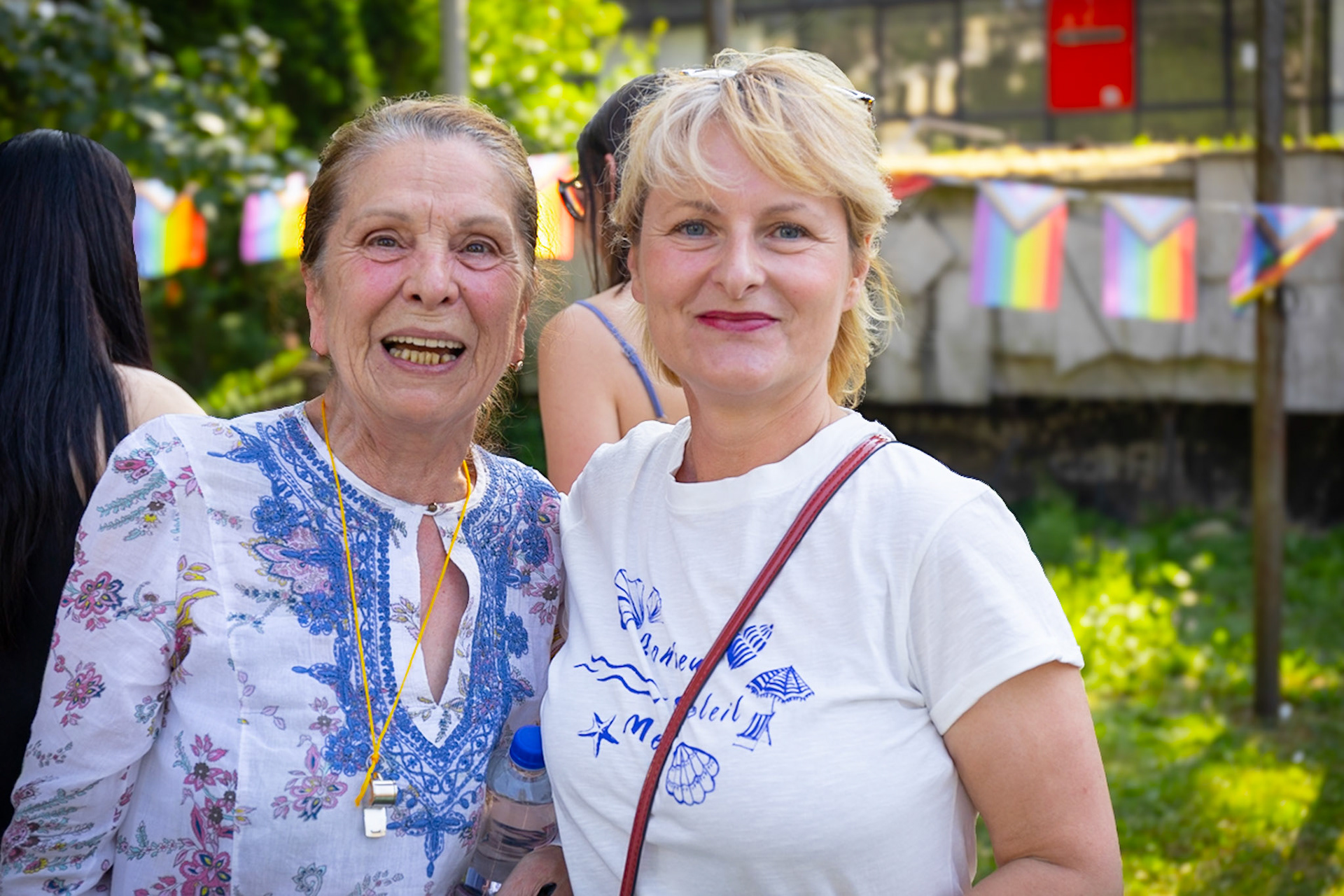
In 2008 the first Queer Sarajevo Festival was attacked and shut down; the first march came only in 2019. The sixth walked under "Ljubav je zakon" - Love is the law - still inside a closed police corridor. A father walked alone: his daughter is gay and couldn't be there, so he came for her.
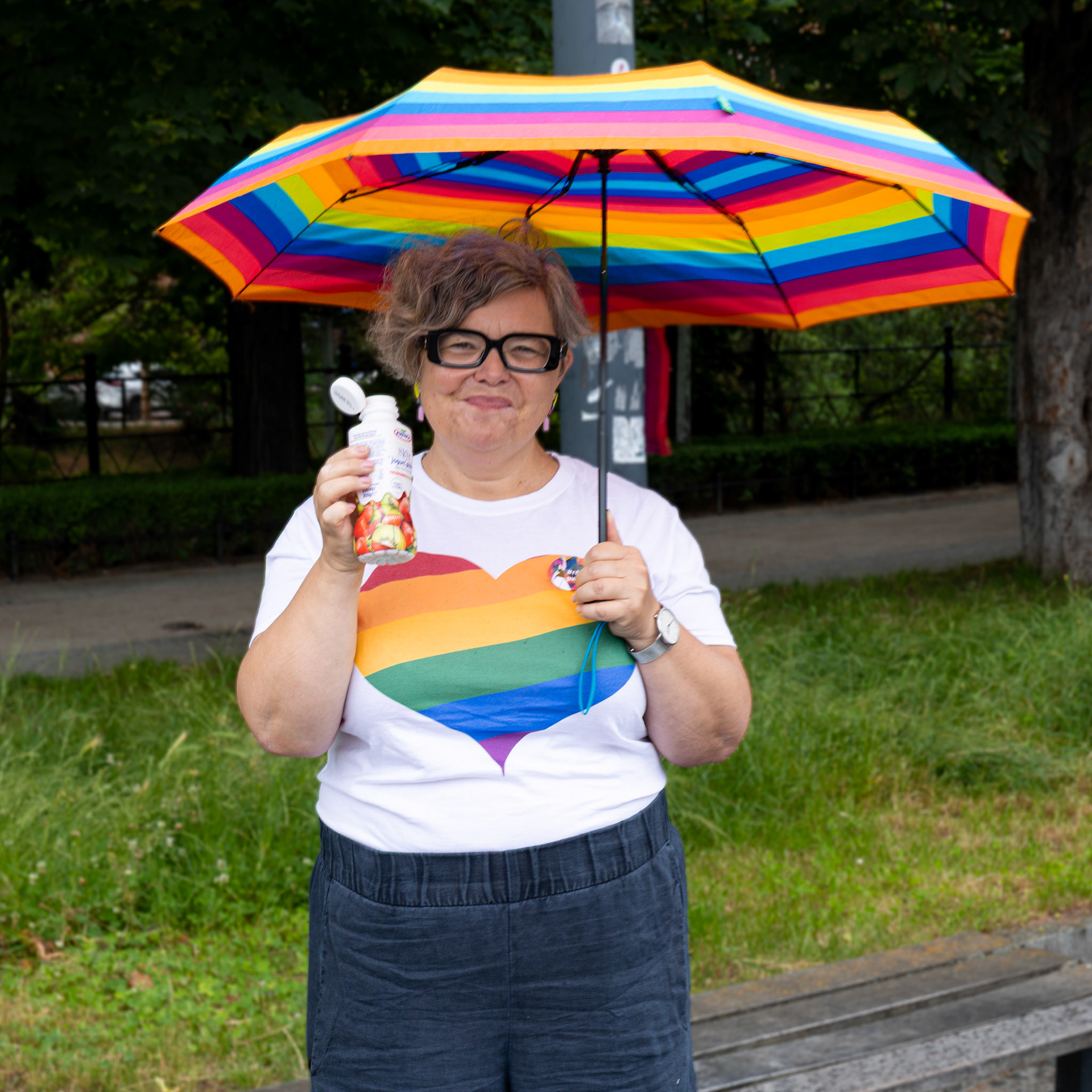
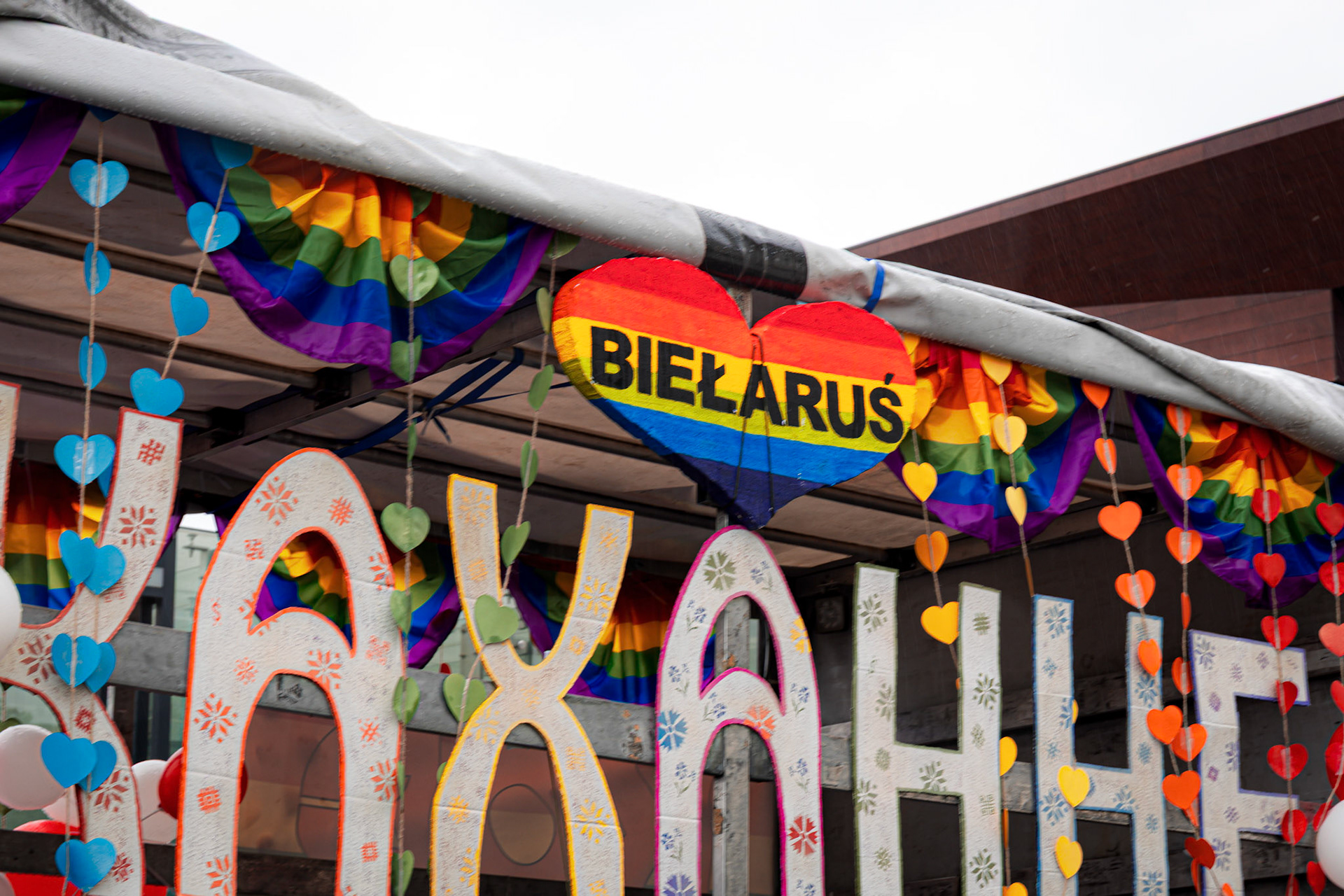
2025 - Wrocław - Equality March
The 17th Marsz Równości, in steady rain, months after Poland's last "LGBT-free zone" was revoked. Across the square, rosaries and banners accusing the march of paedophilia, behind a line of police. The opponents in black and white; the march in colour.