In 2026 I went to Ukraine twice, to write and photograph. What stayed with me most were not the ruins, but the people who let me into their lives.
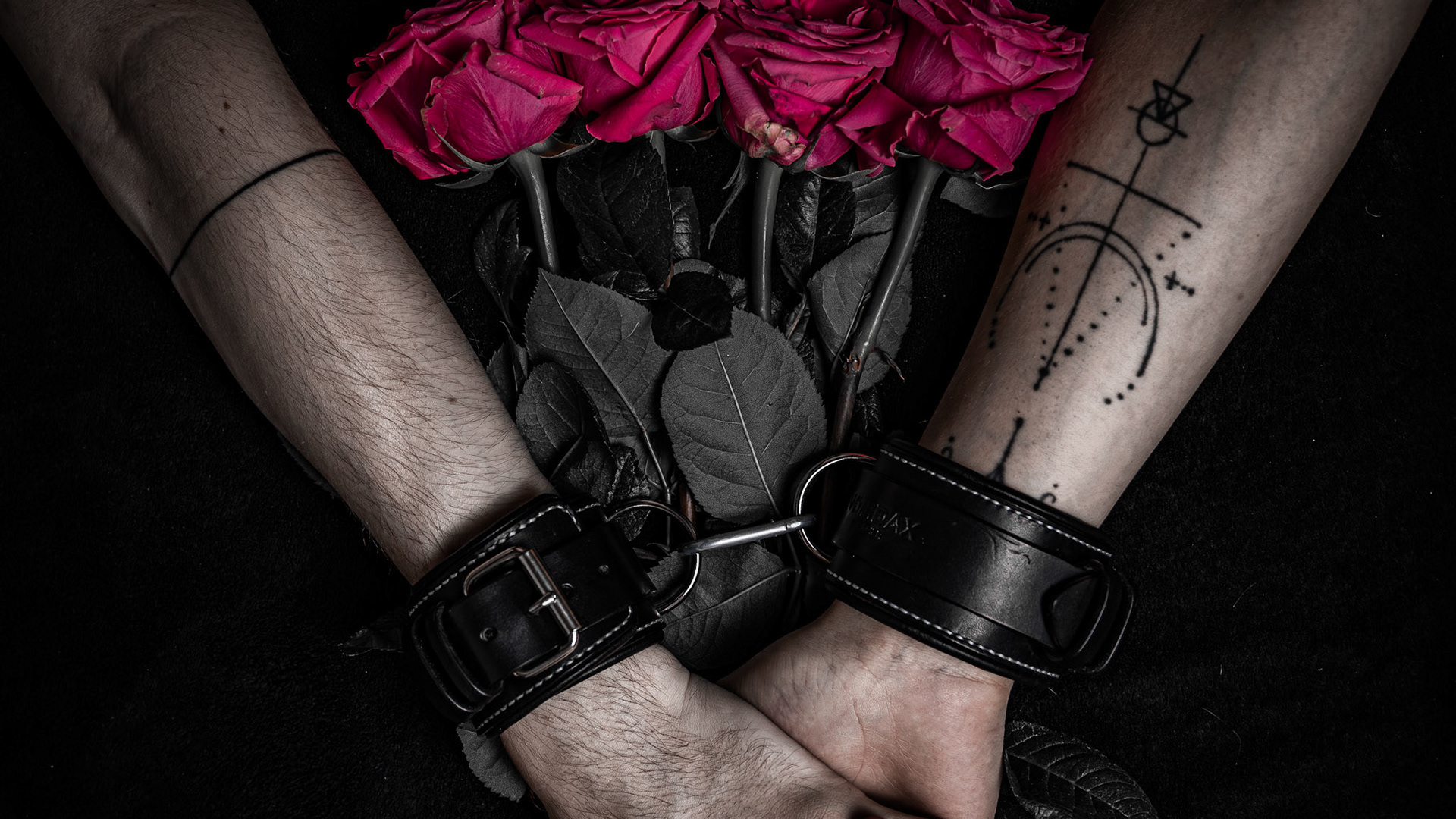
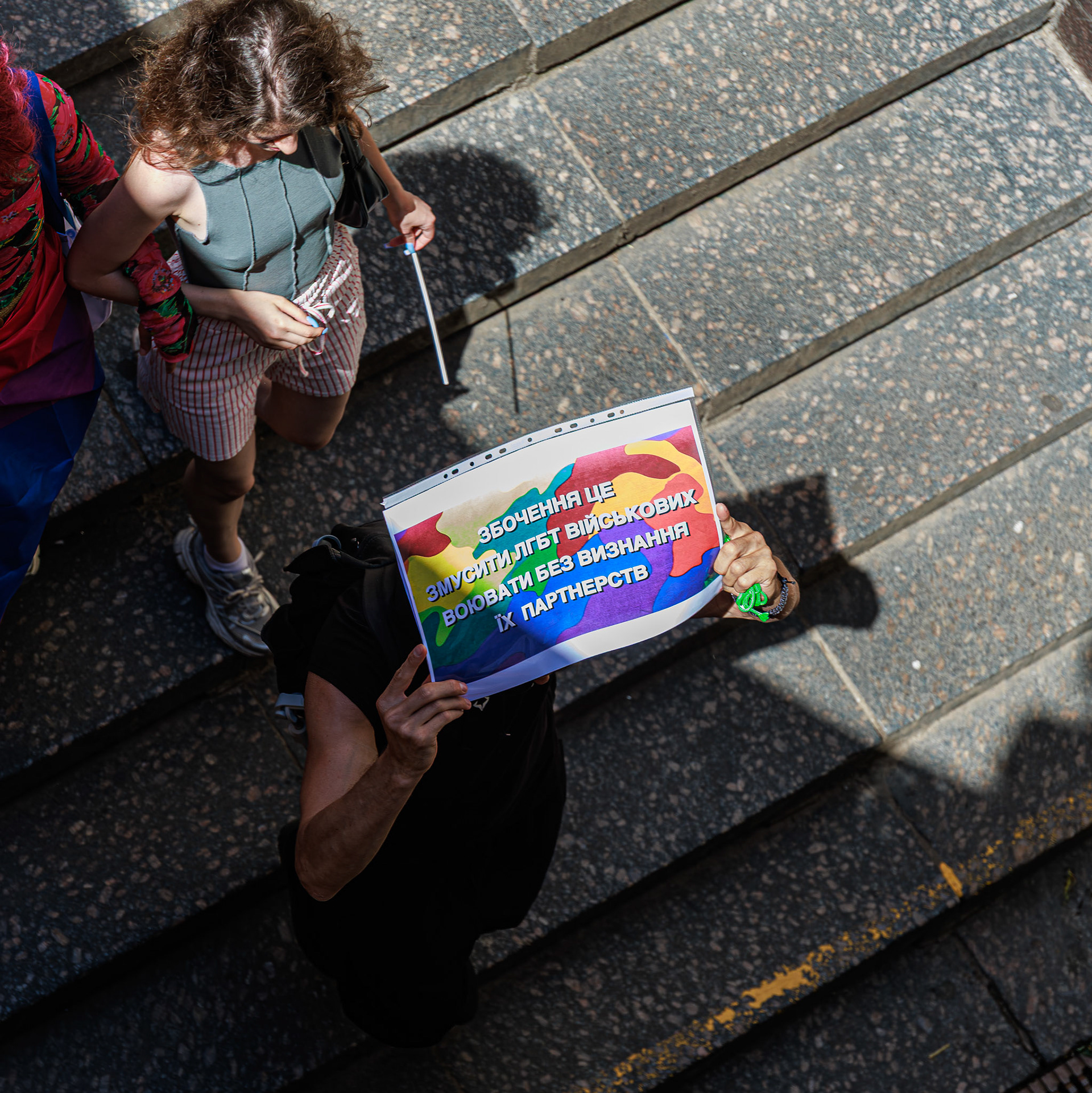
Marho, who fled to Poland and came back to Kharkiv, because safer was not the same as home. Lev, a gay soldier who volunteered before the draft could decide for him - defending a country that does not recognise his partner as family. And Dmytro, who went out for breakfast with his boyfriend one ordinary morning, and was stopped by a mobilisation patrol. "I just went out with him. Then came back without him."
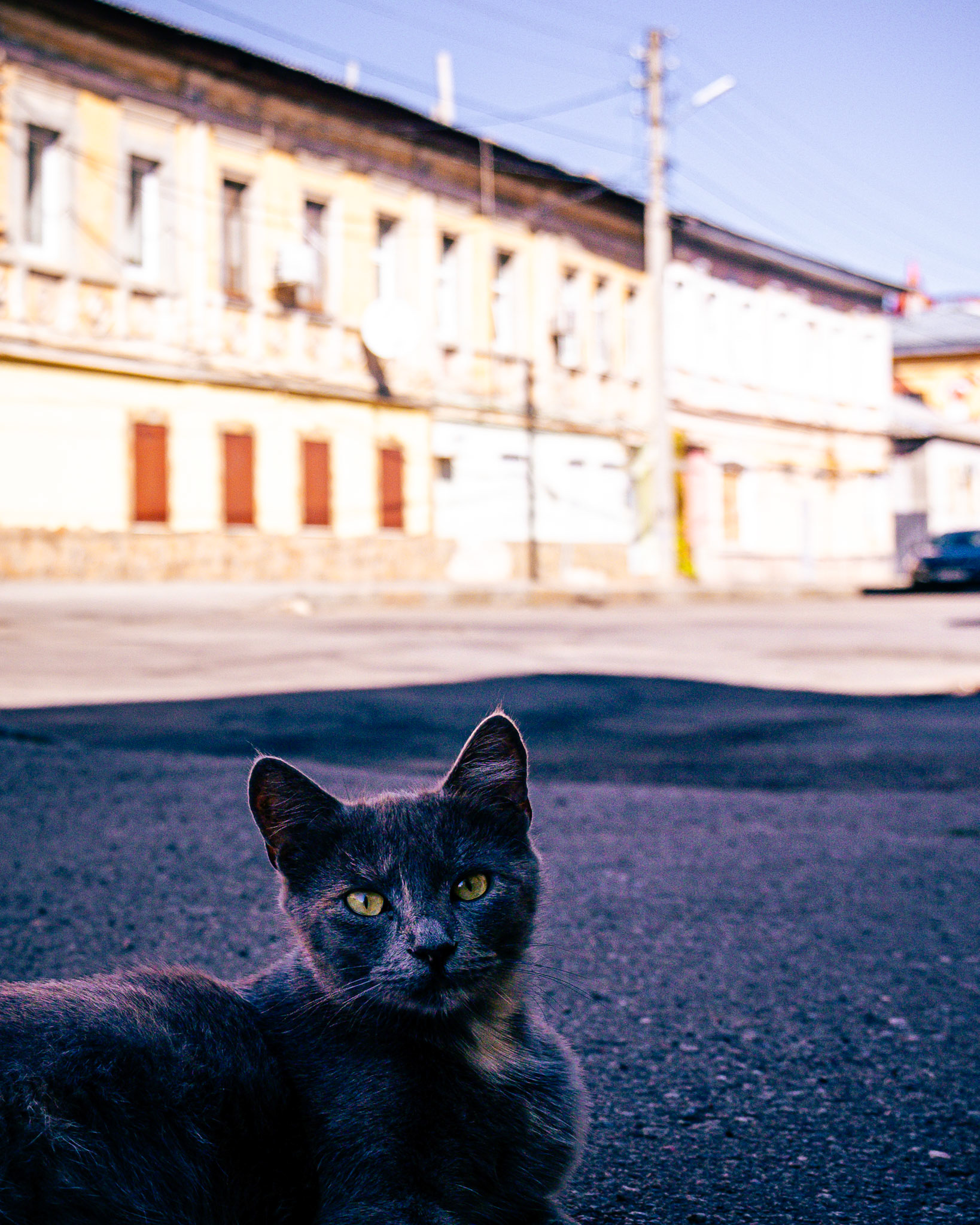
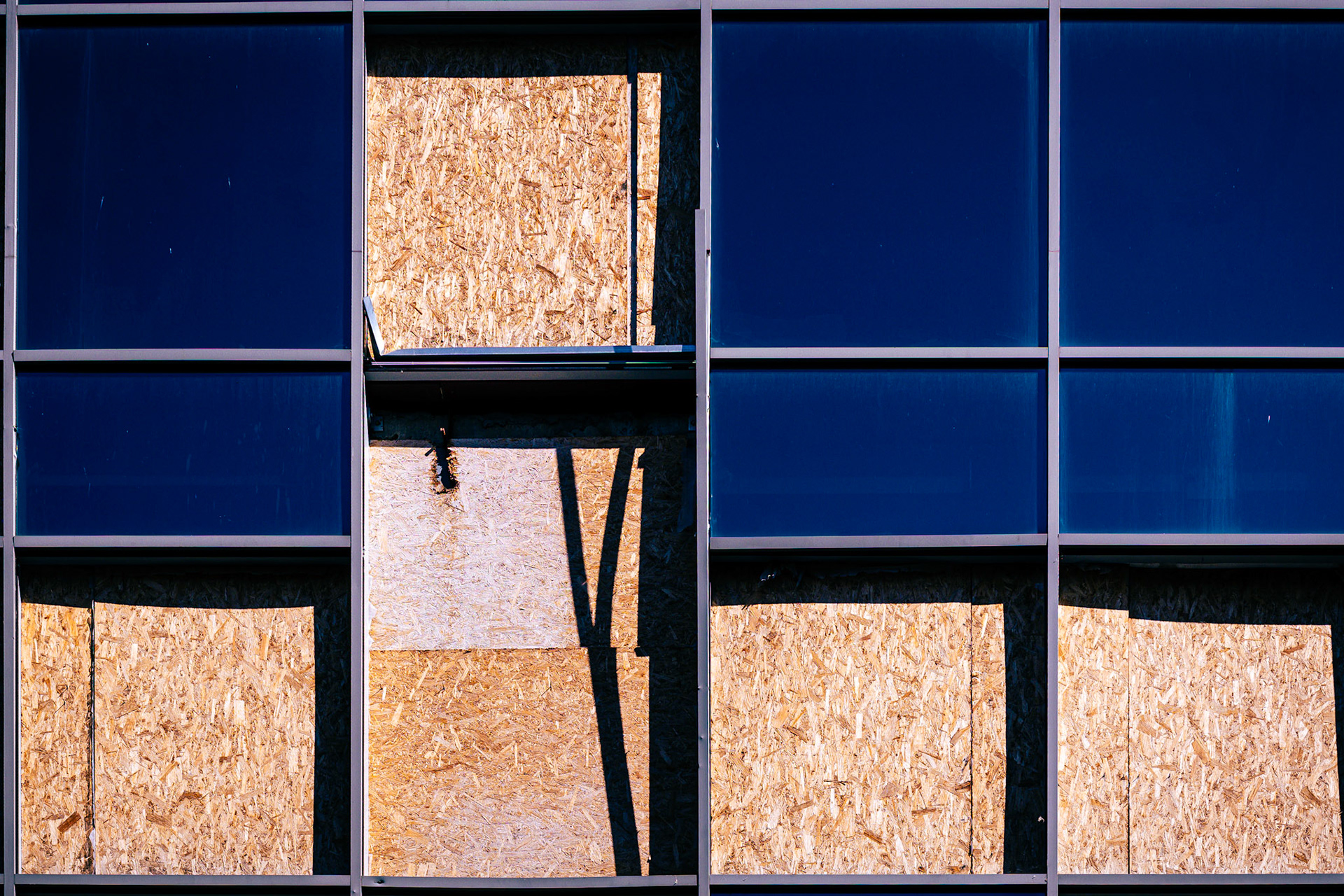
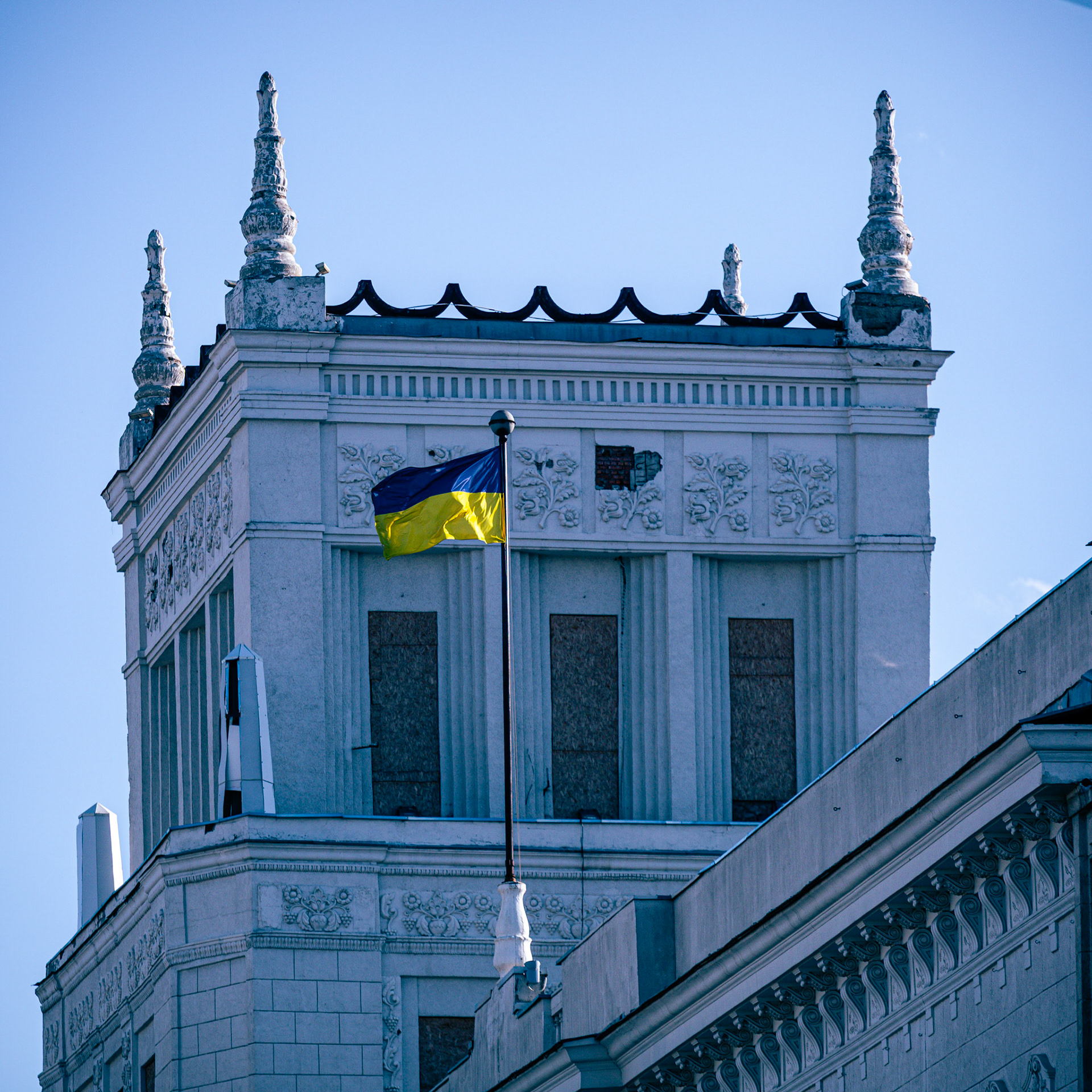
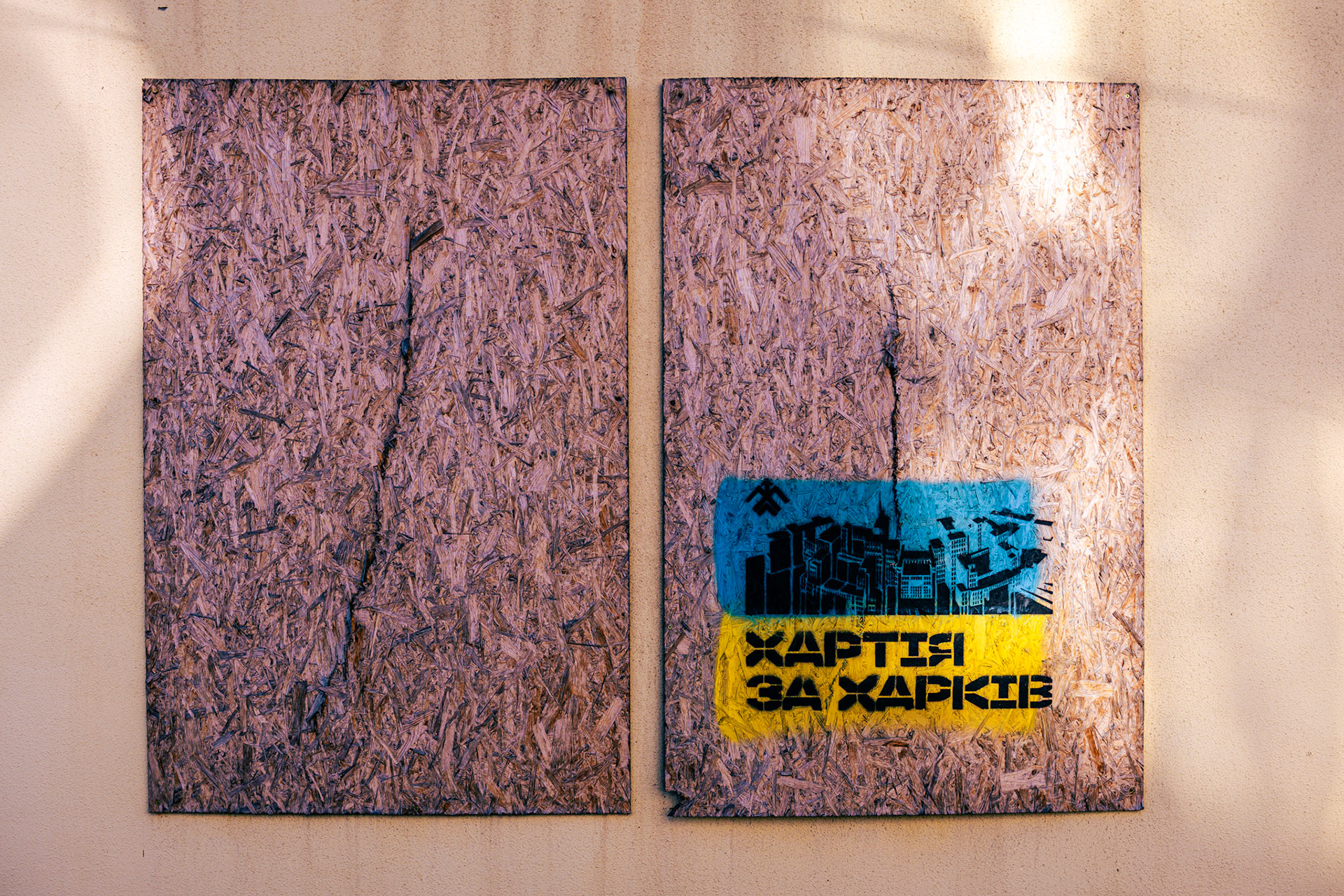
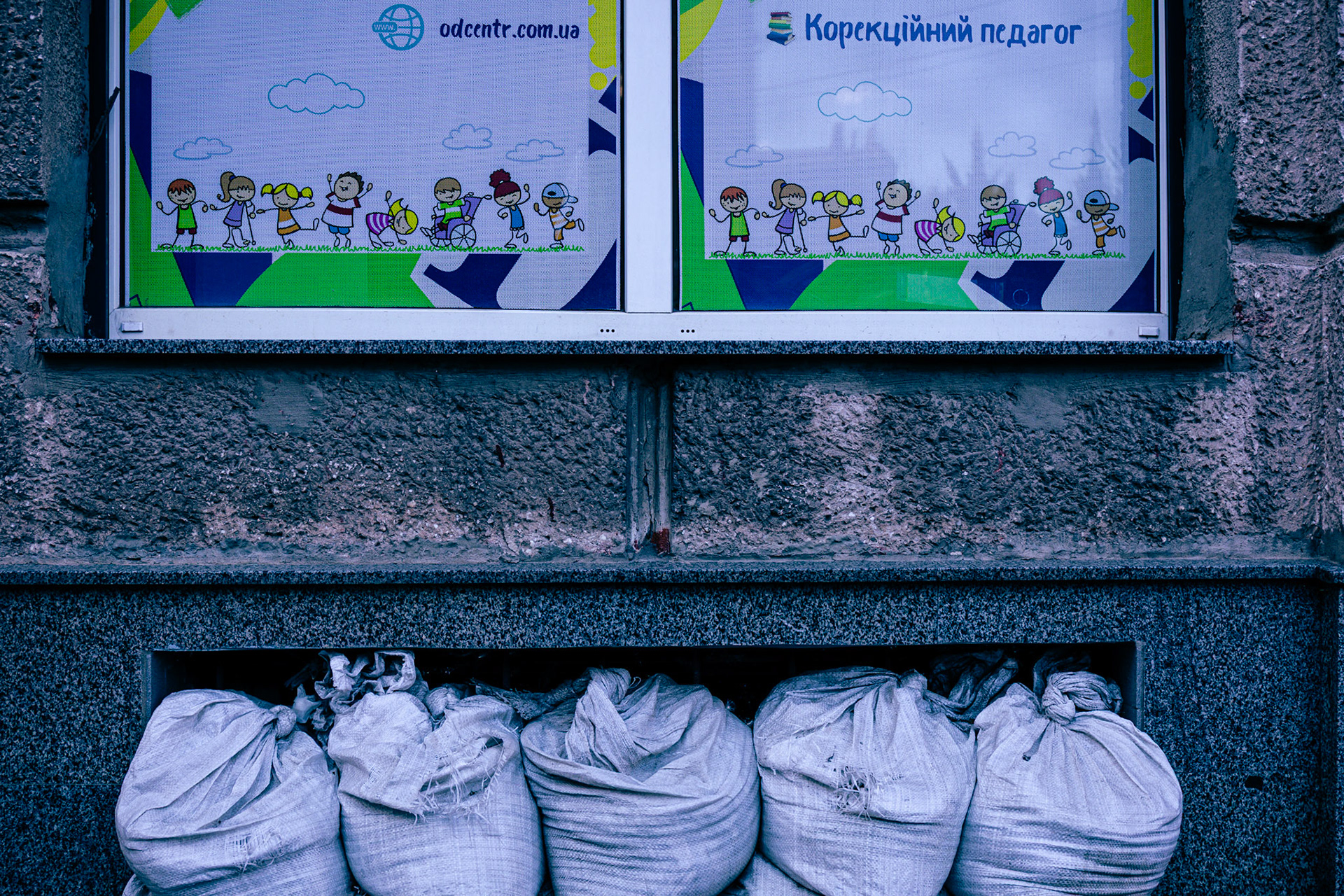
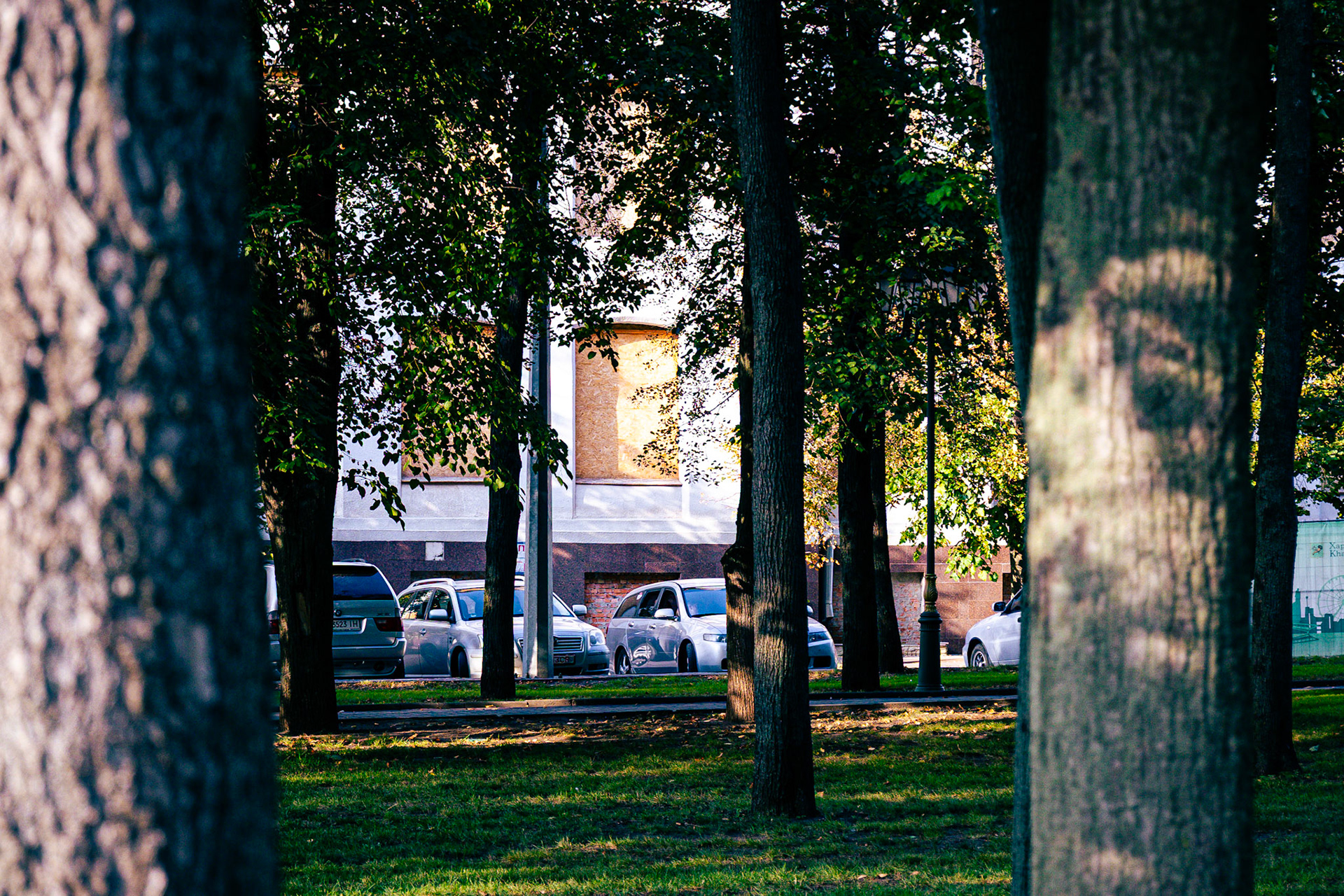
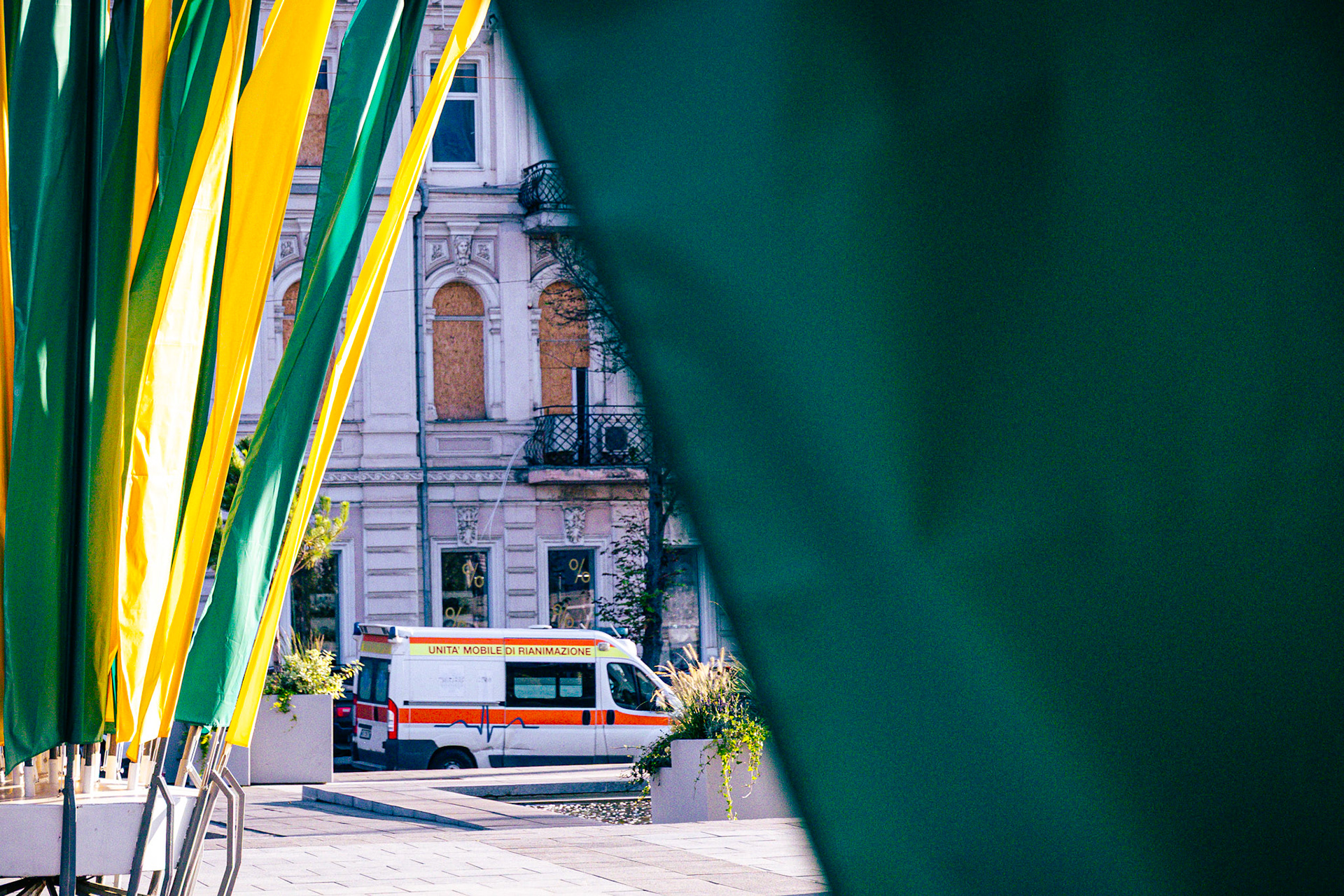
Around them, a country folding ordinary life around the war: chipboard instead of glass, a minute of silence at the traffic lights, a Pride that starts underground.
2026 - Kharkiv - Saltivka
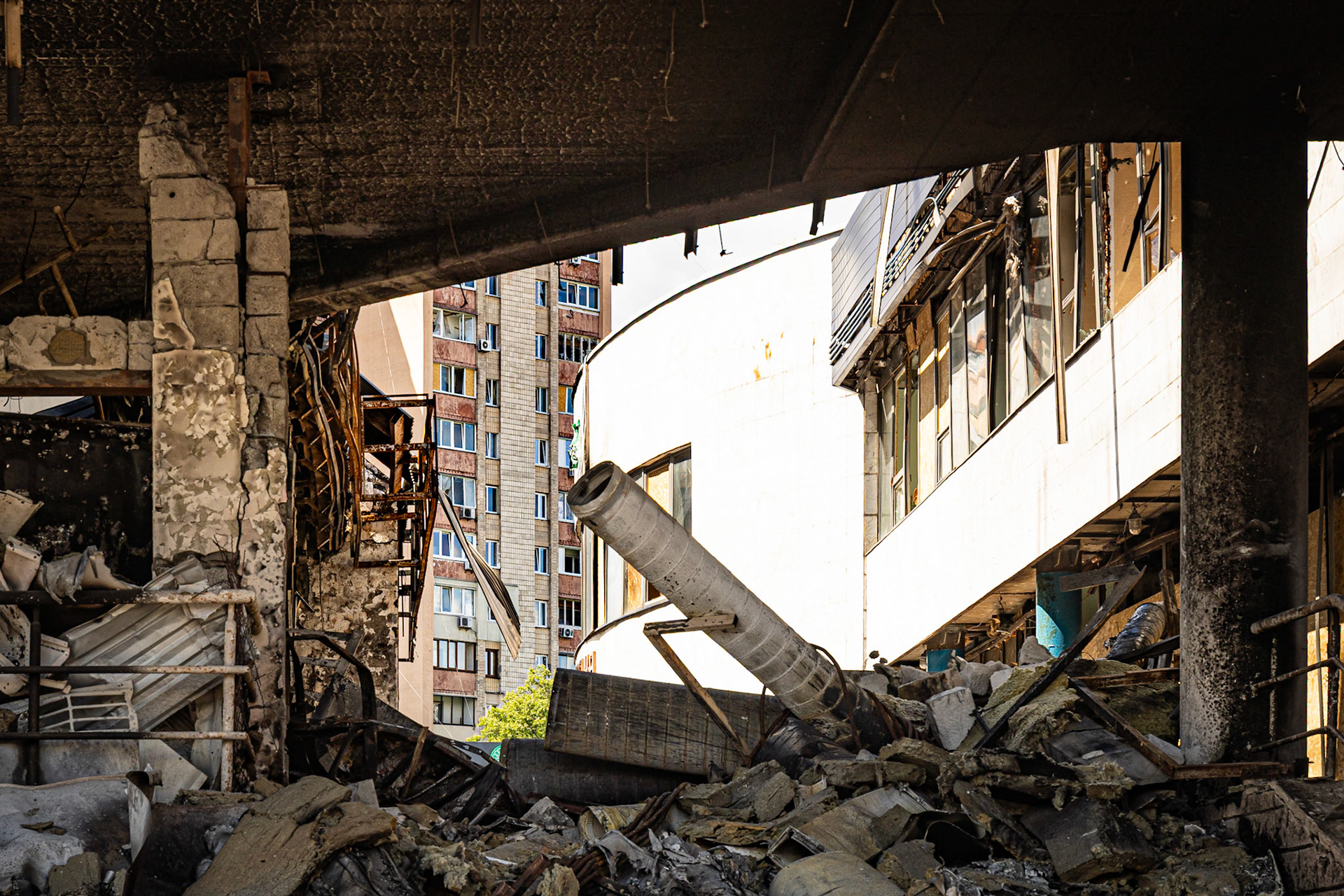
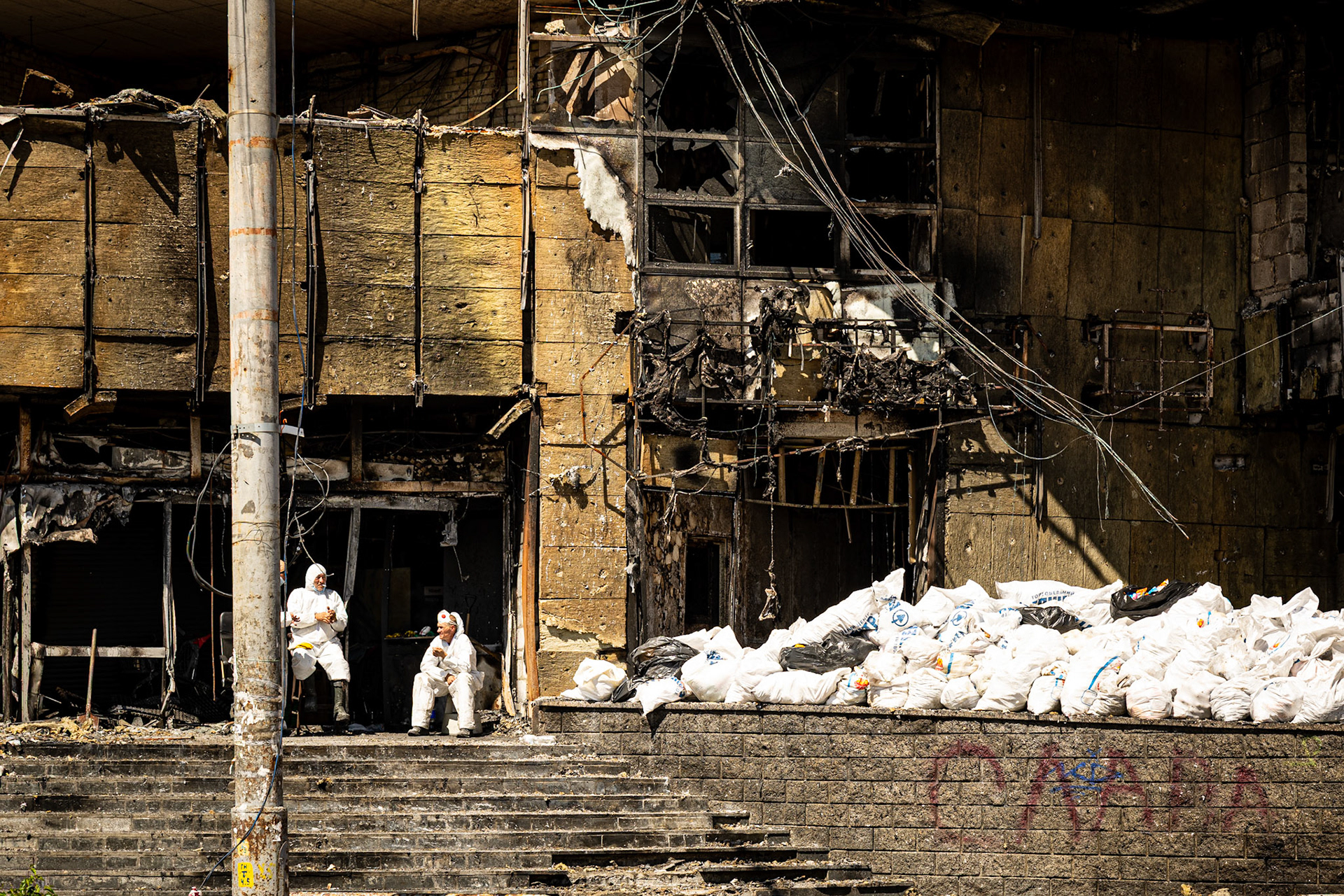
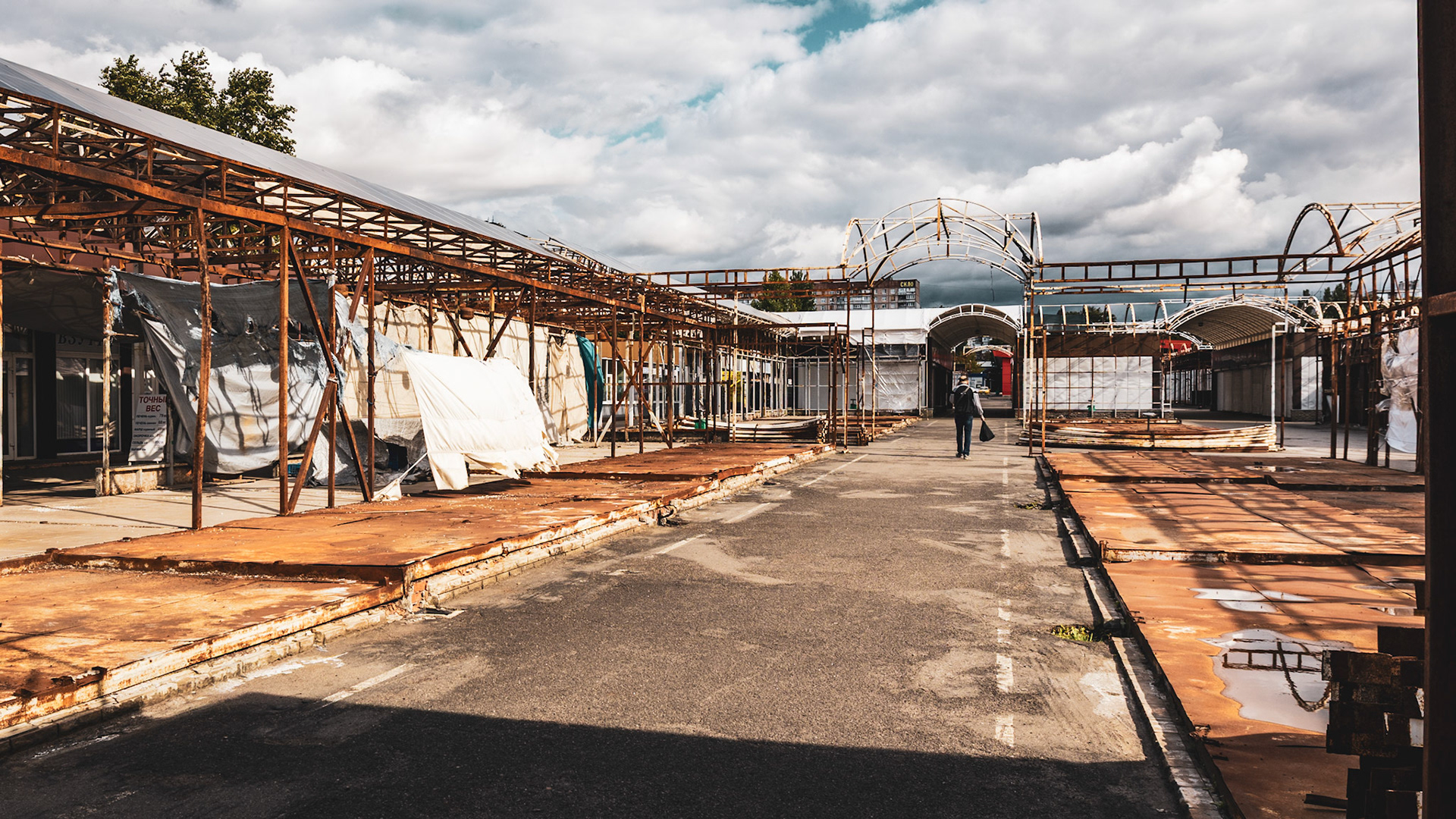
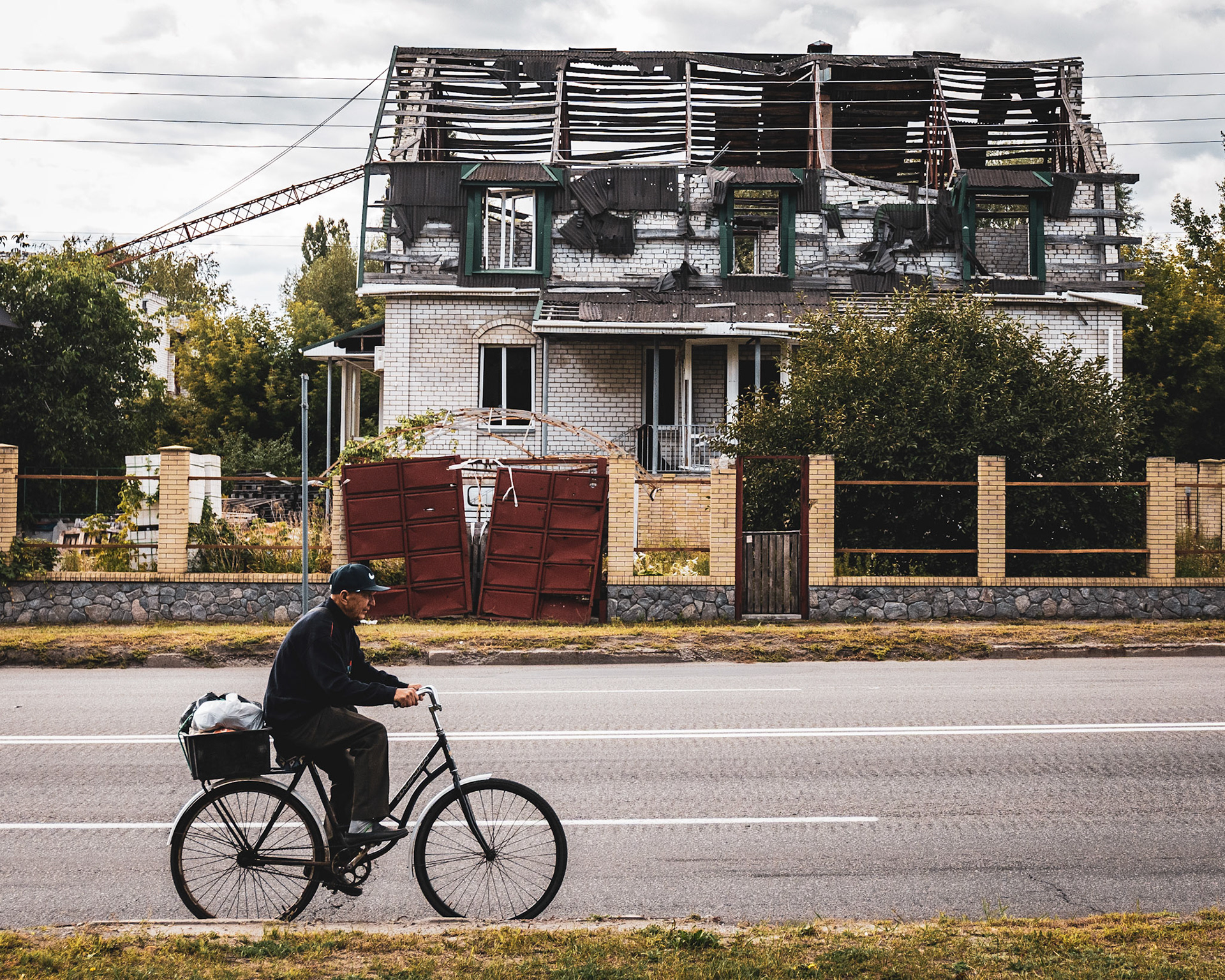
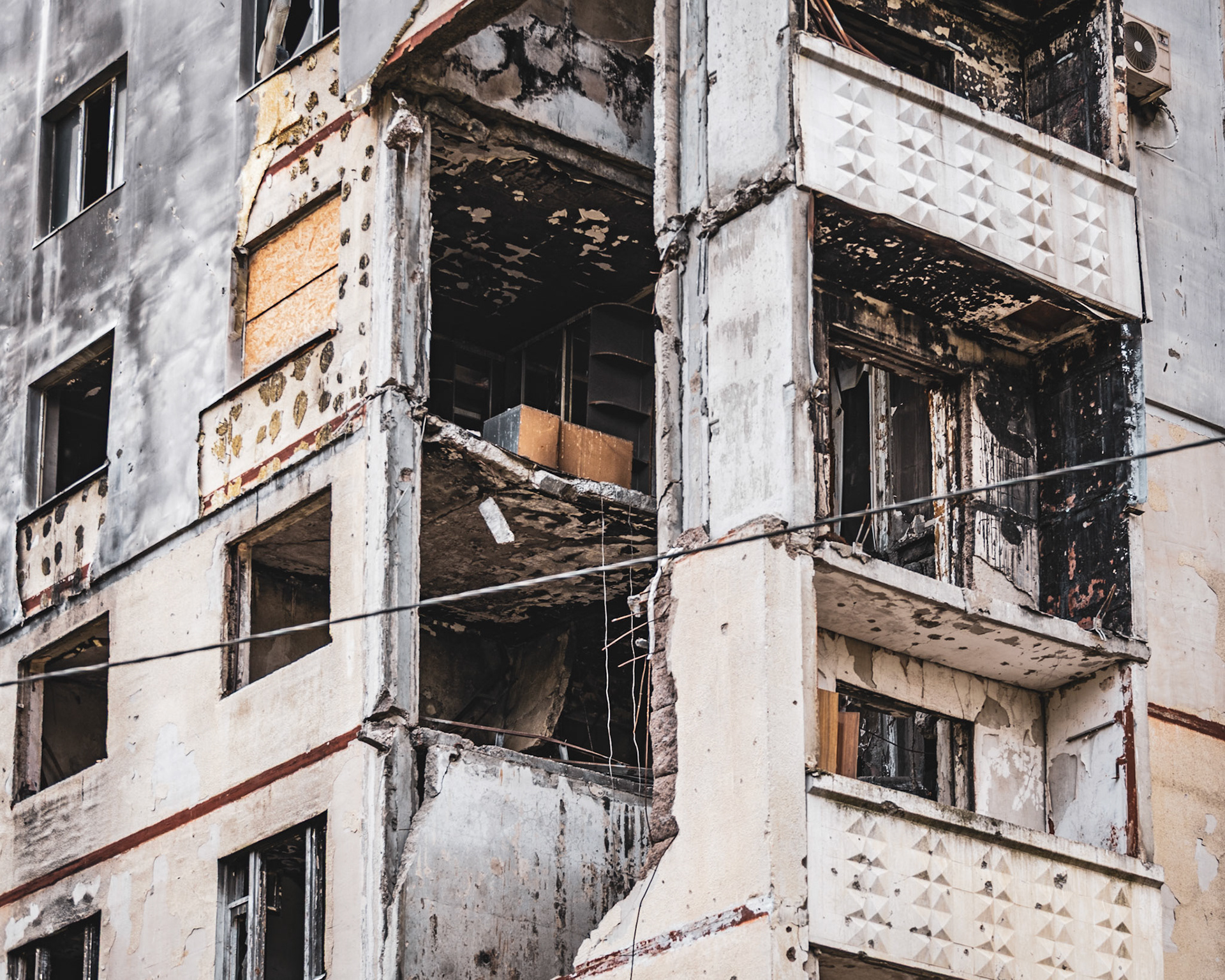
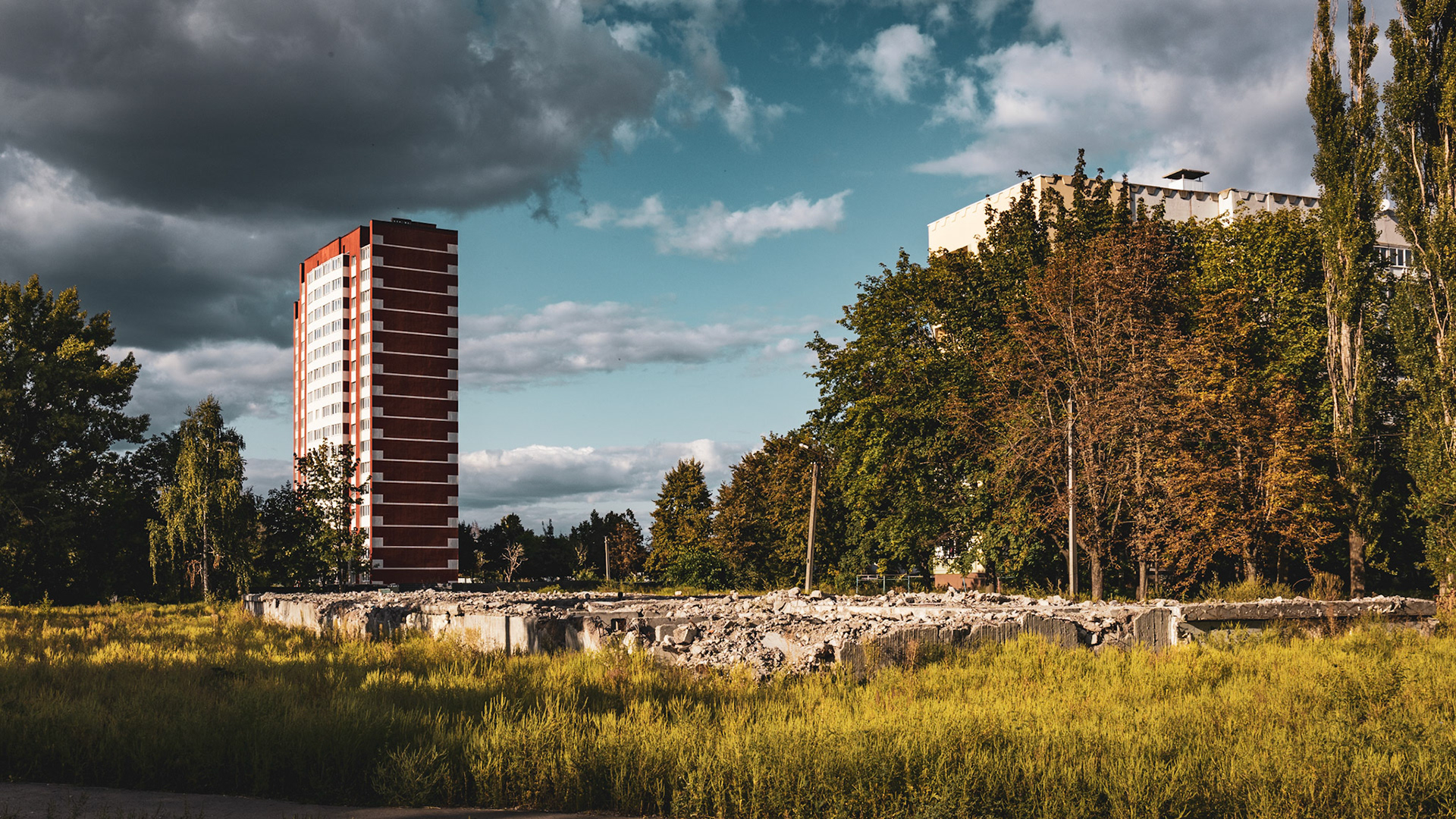
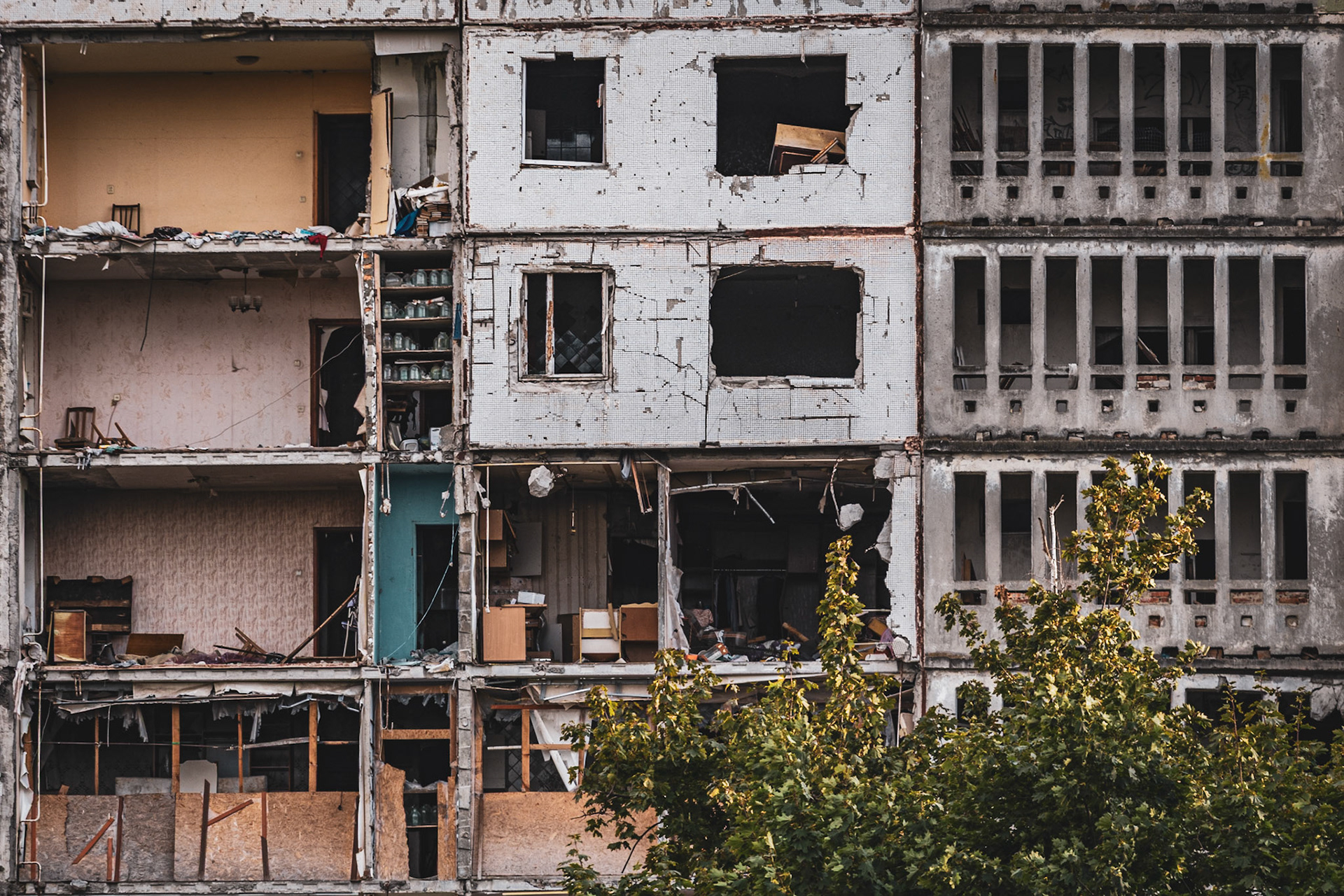
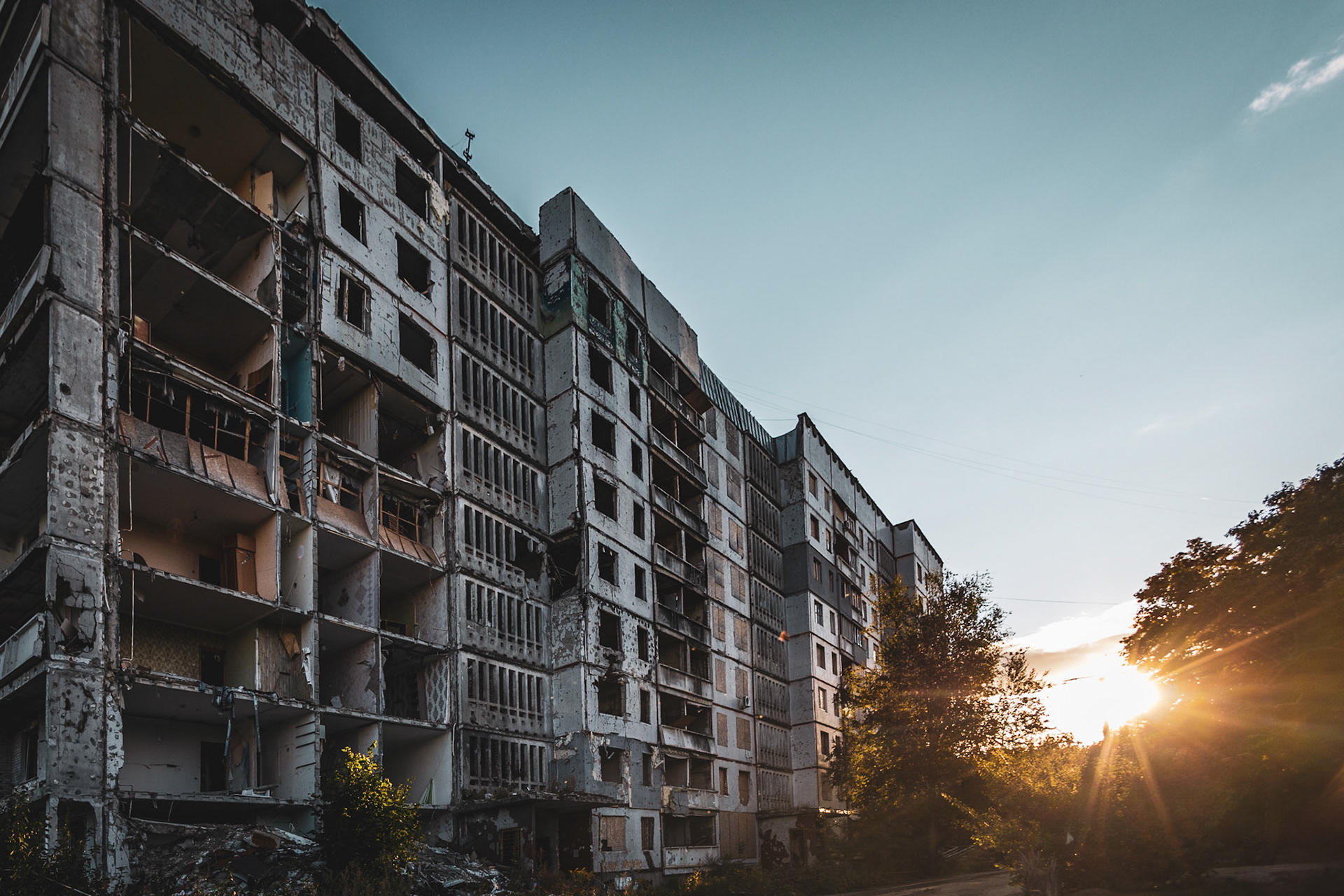
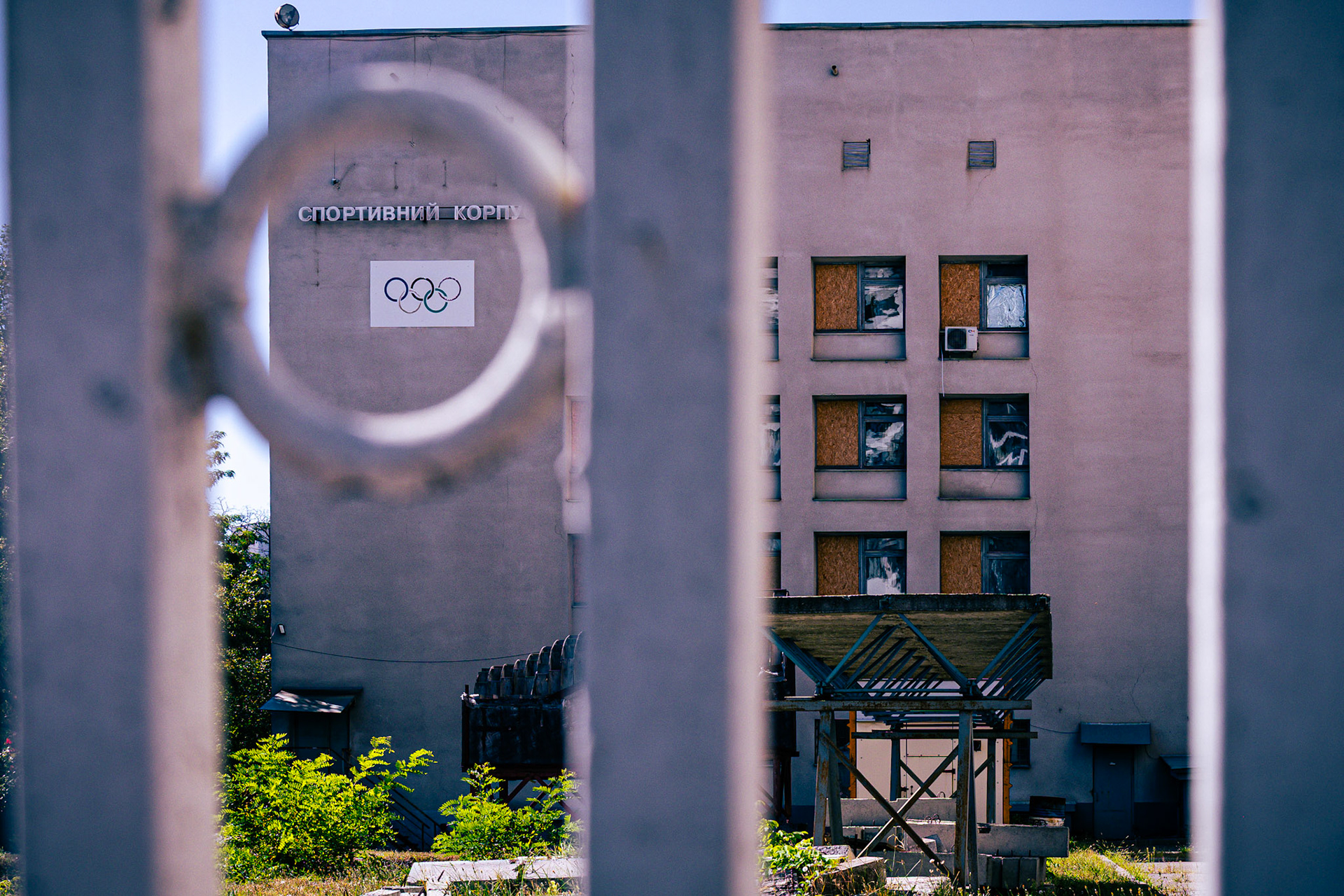
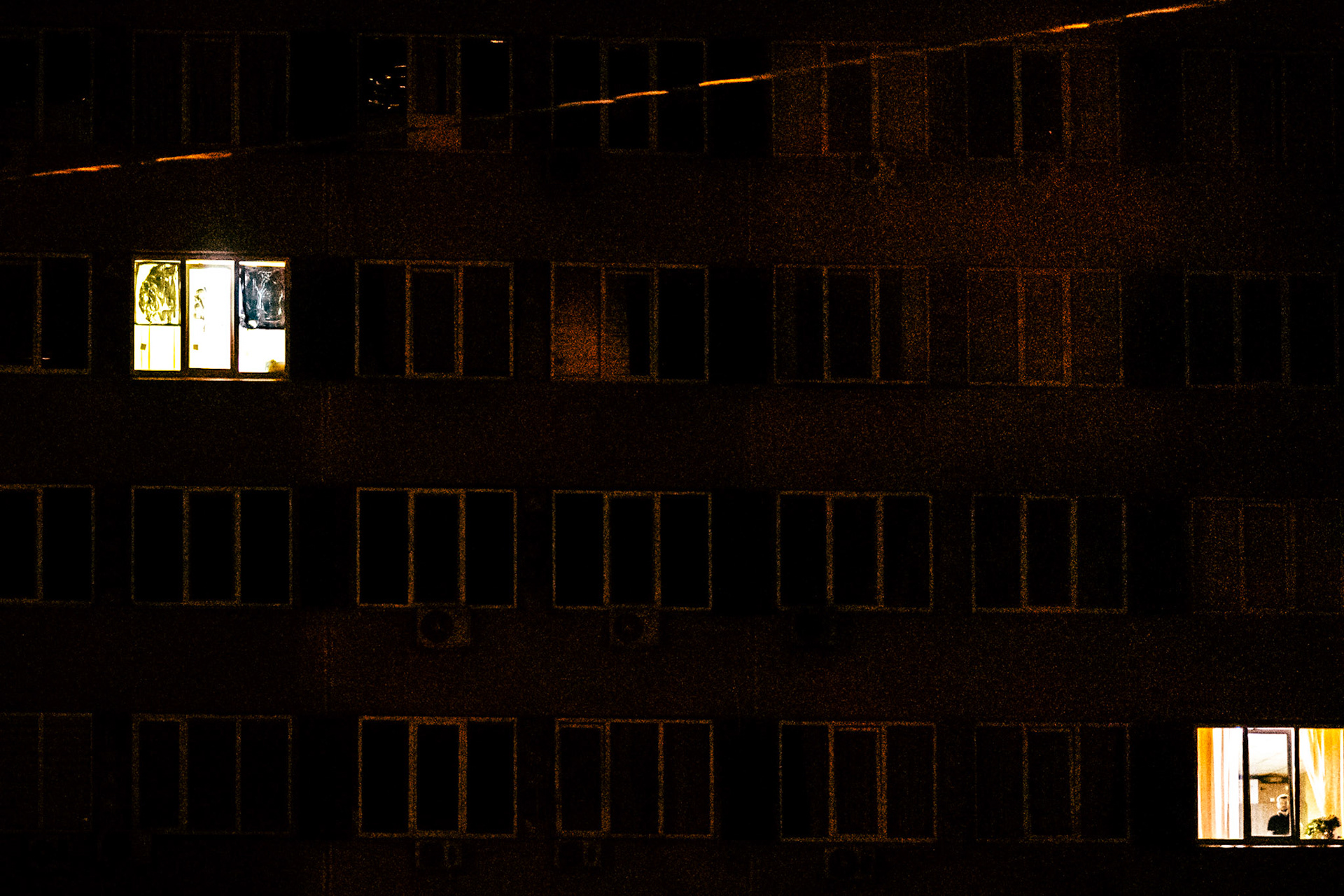
Saltivka is where Kharkiv keeps most of its people - the largest housing district in the city, home to around three hundred thousand before the invasion. Its northern edge is the last built thing before the border, thirty kilometres away. In spring 2022 the artillery reached it first. Of the roughly five hundred Kharkiv buildings written off as beyond repair, close to three hundred are here.
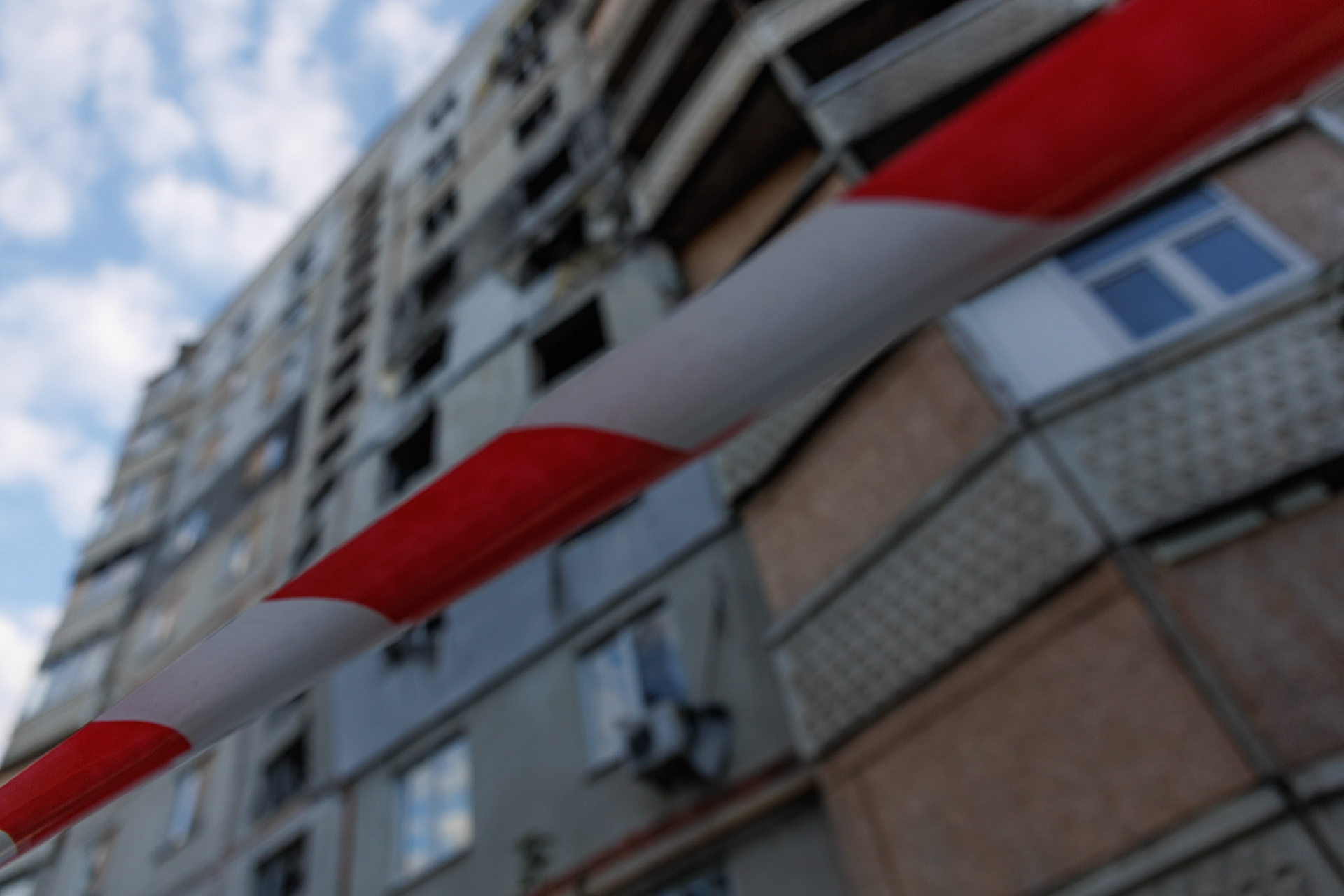
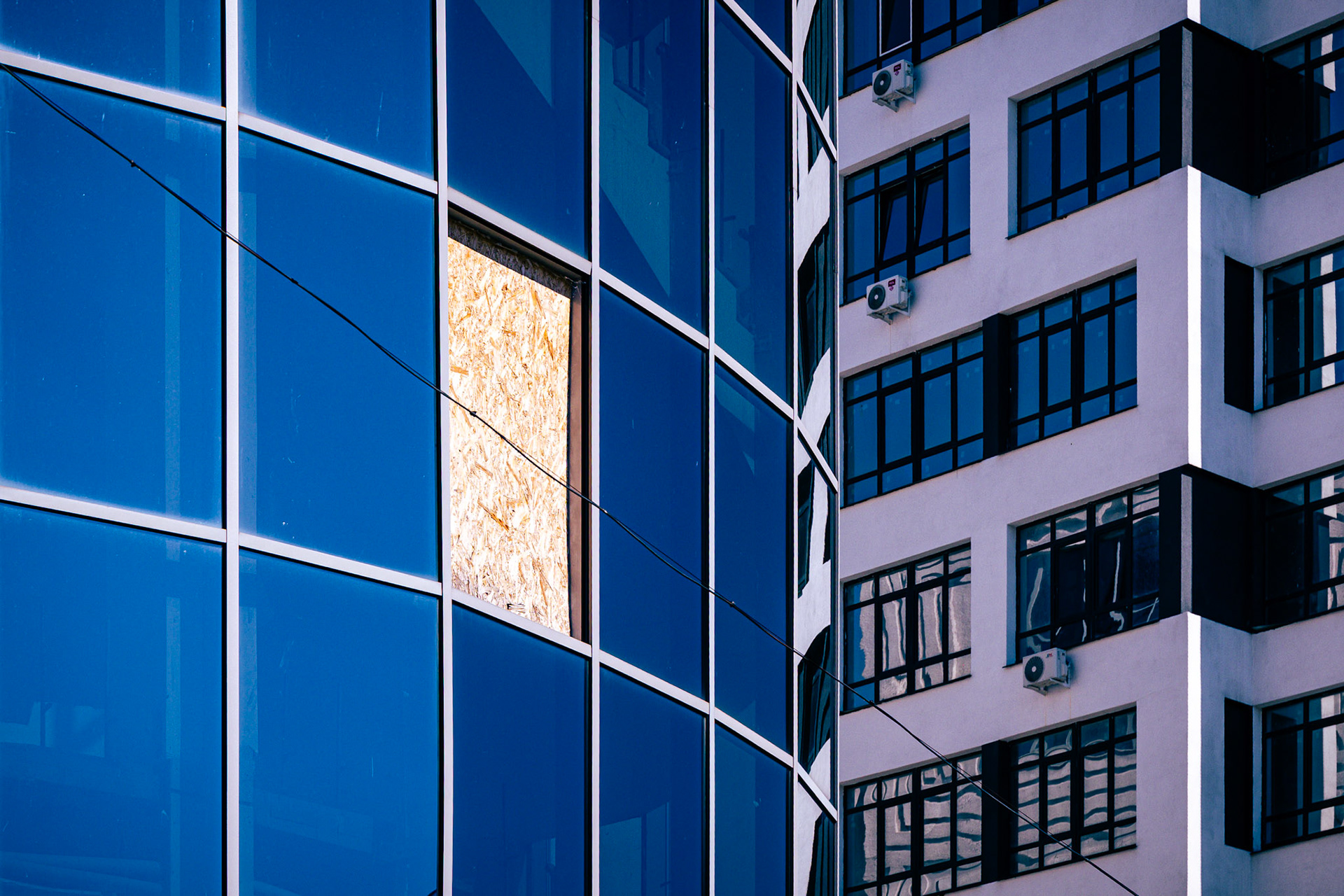
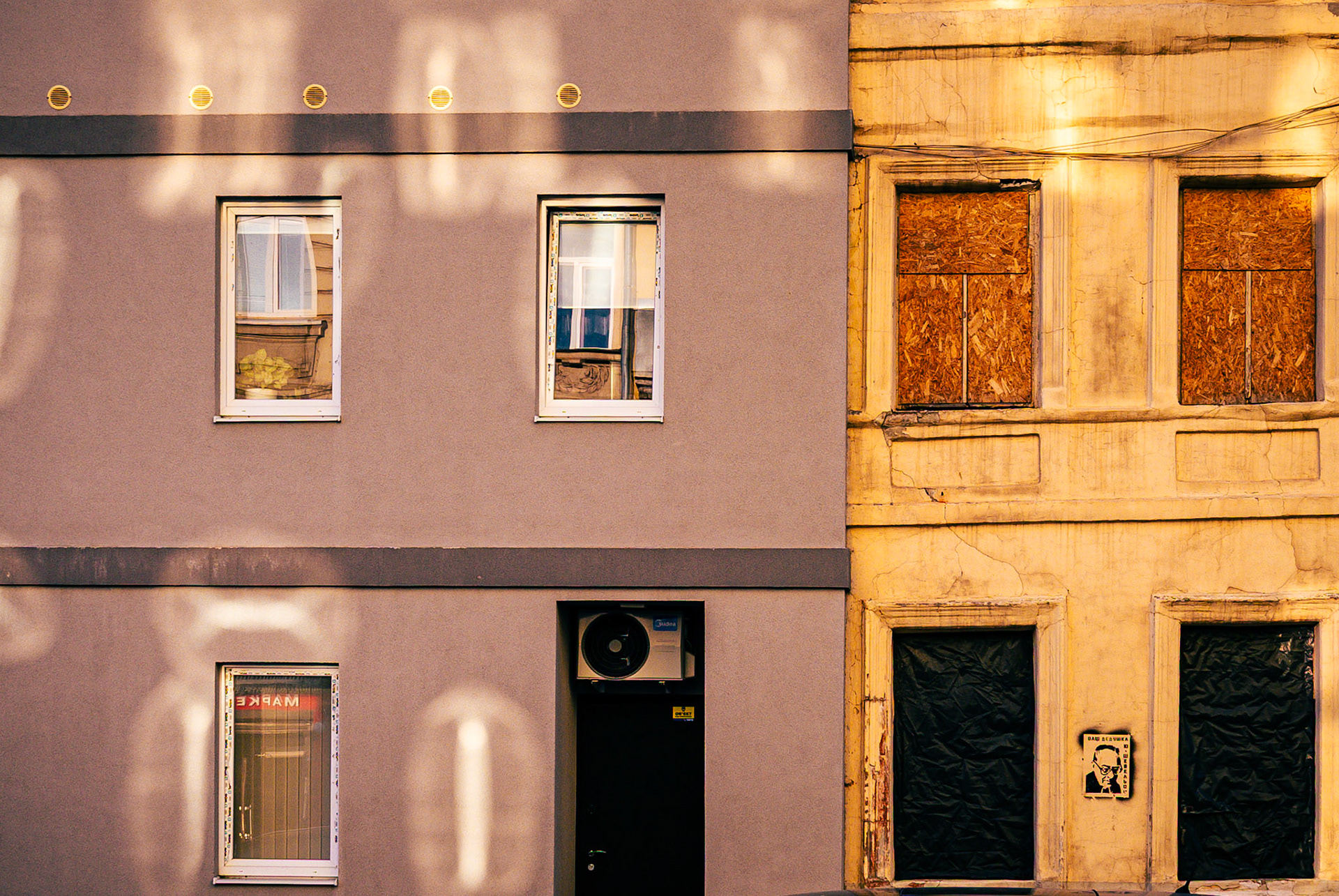
Then the front moved away, and people moved back. Flats with new glass sit next to flats sealed with chipboard - same block, same floor. Between the strikes, the benches outside the entrances are occupied.
On Instagram (EN)


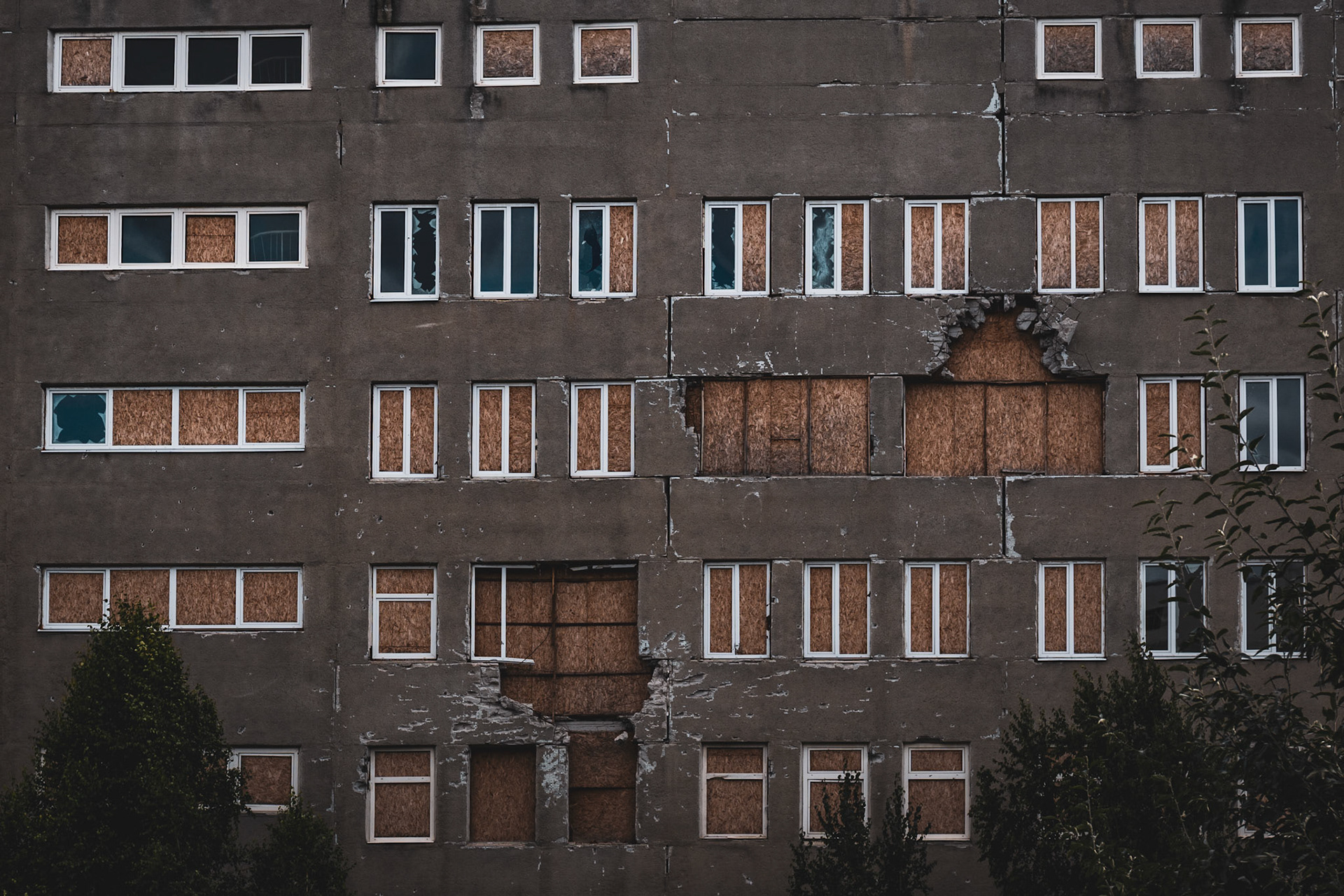

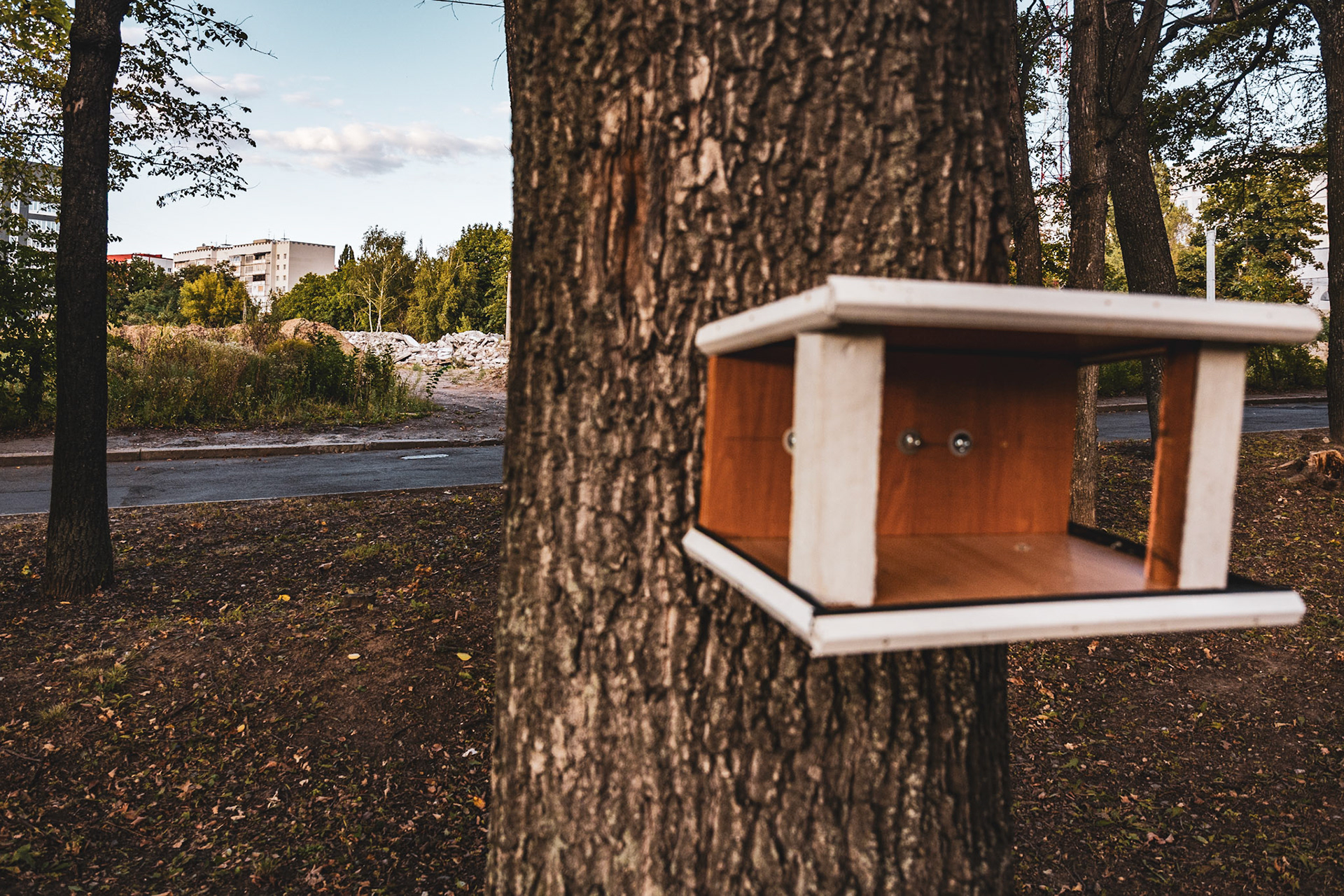
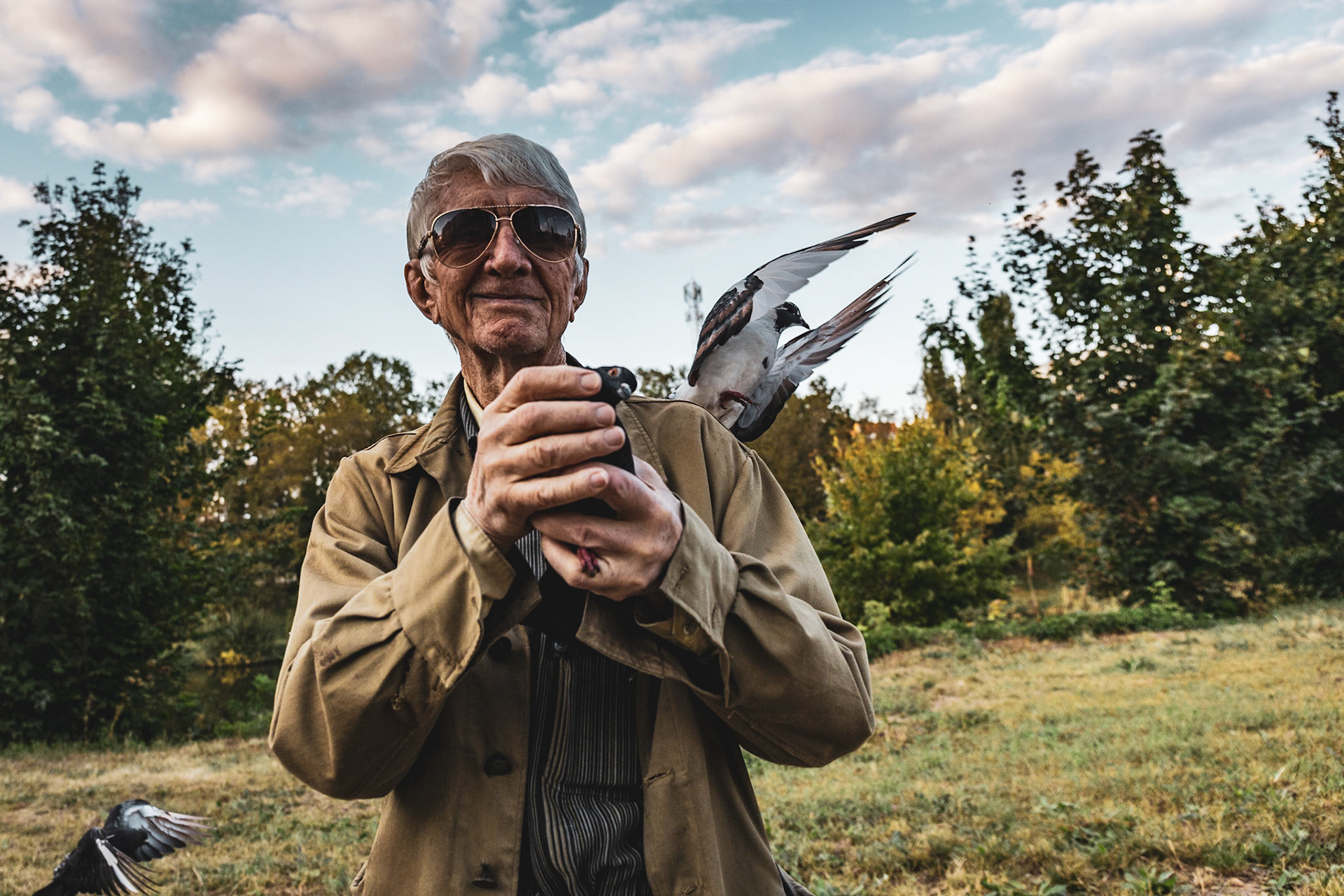
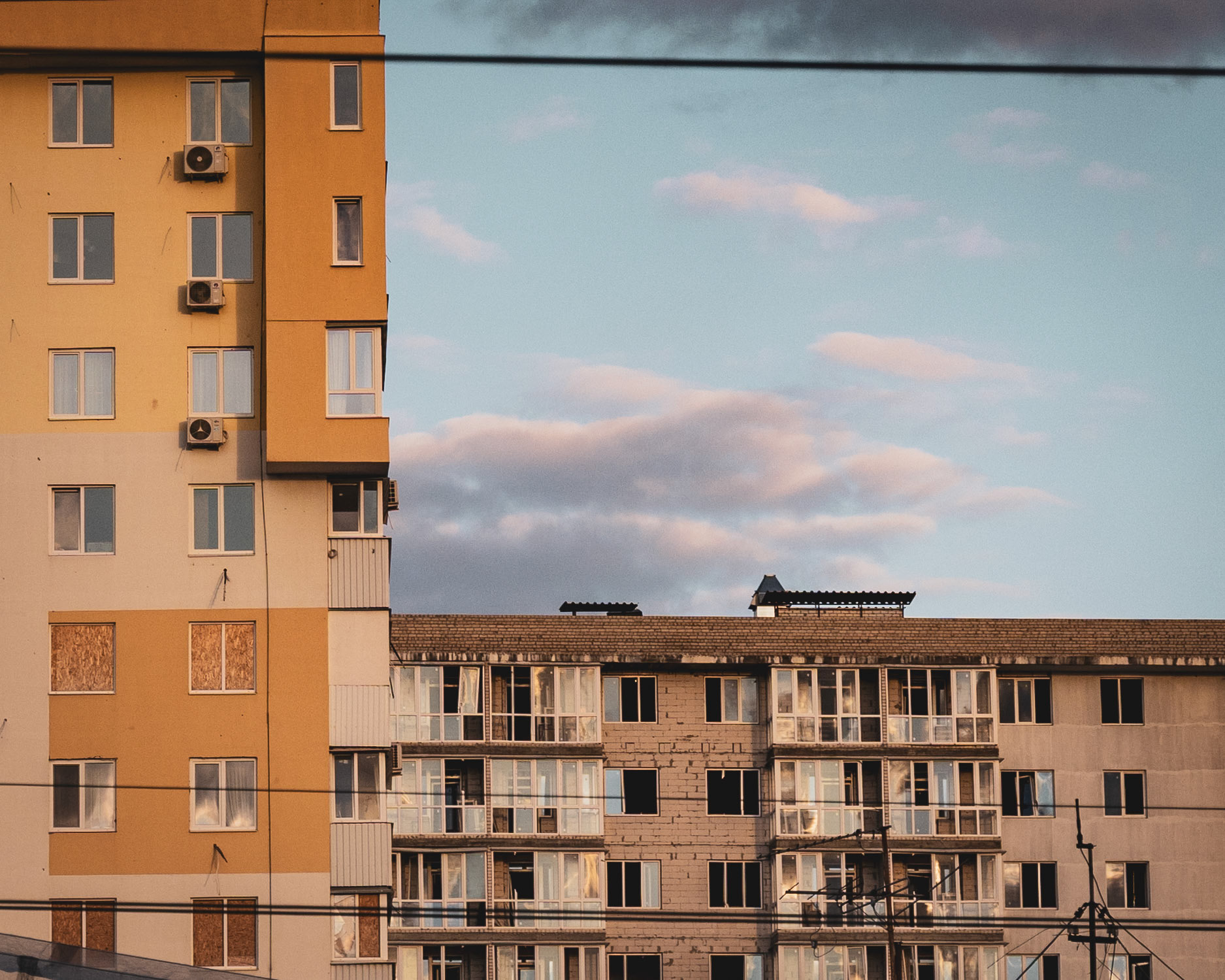
2026 - Kharkiv - Windows
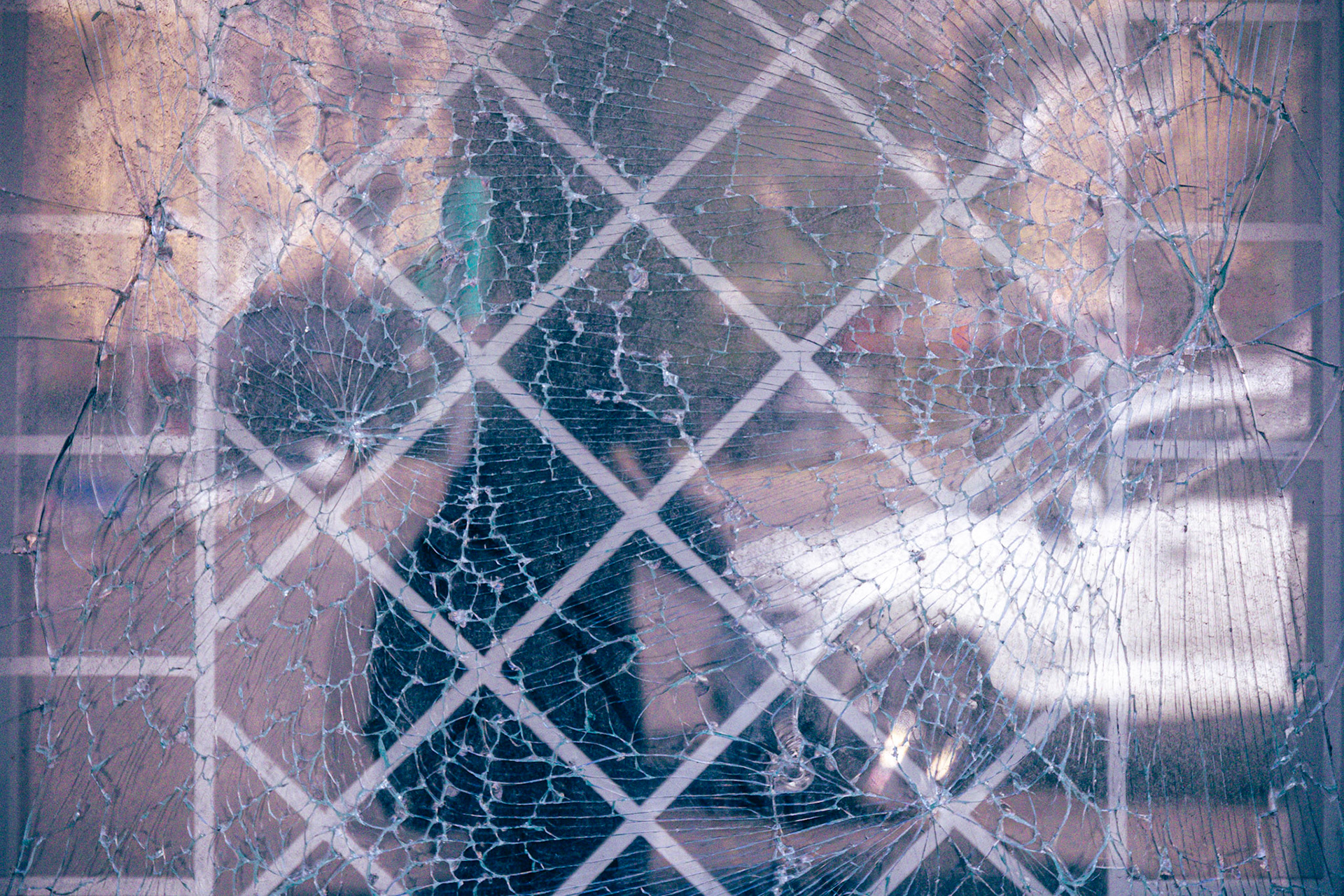
When a rocket or a drone hits, windows shatter and the glass becomes a weapon. So in Kharkiv, wood takes its place. Sometimes after the blast. Sometimes before, just in case.
On Instagram (EN)
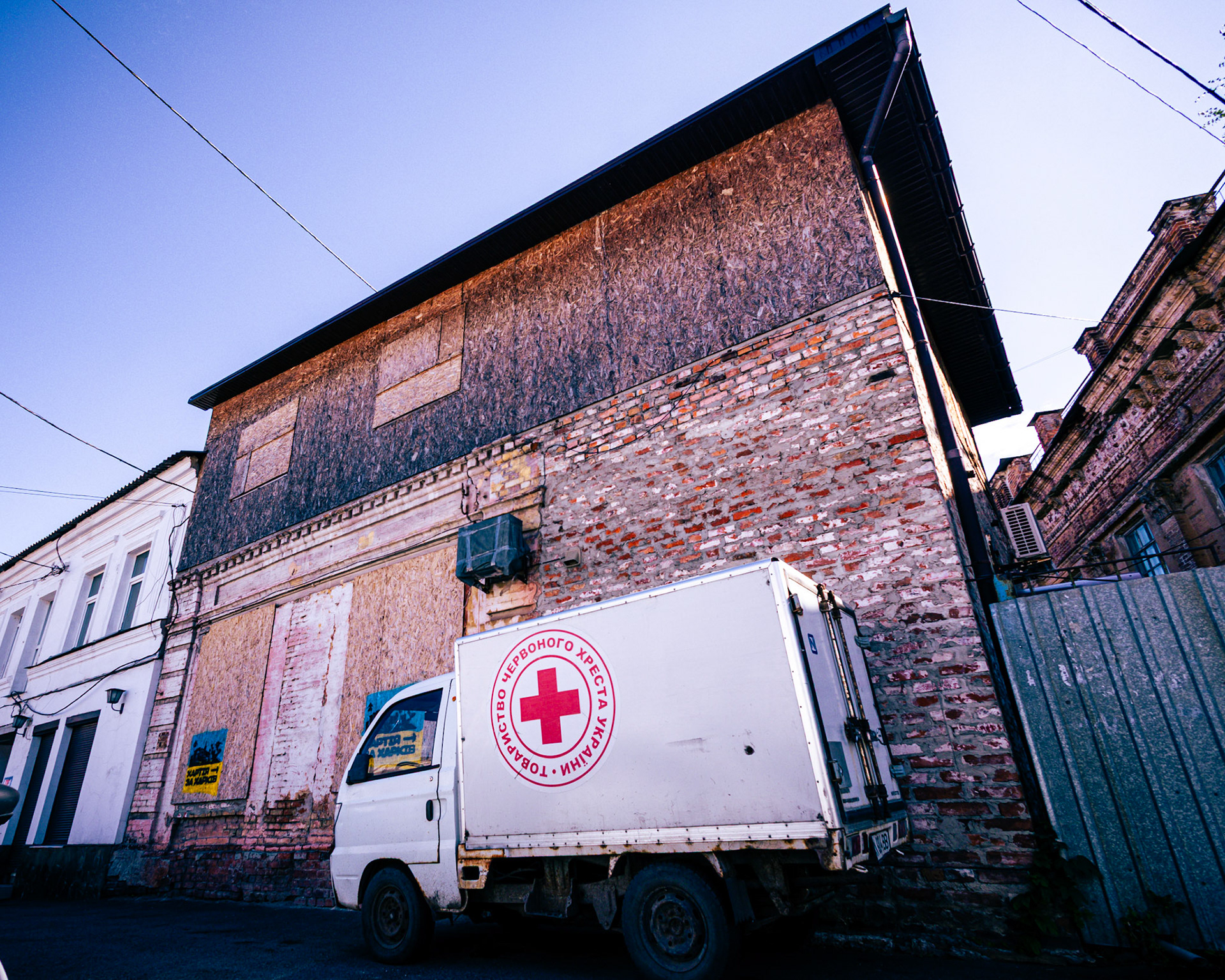
2026 - Kharkiv - Kharkiv Pride
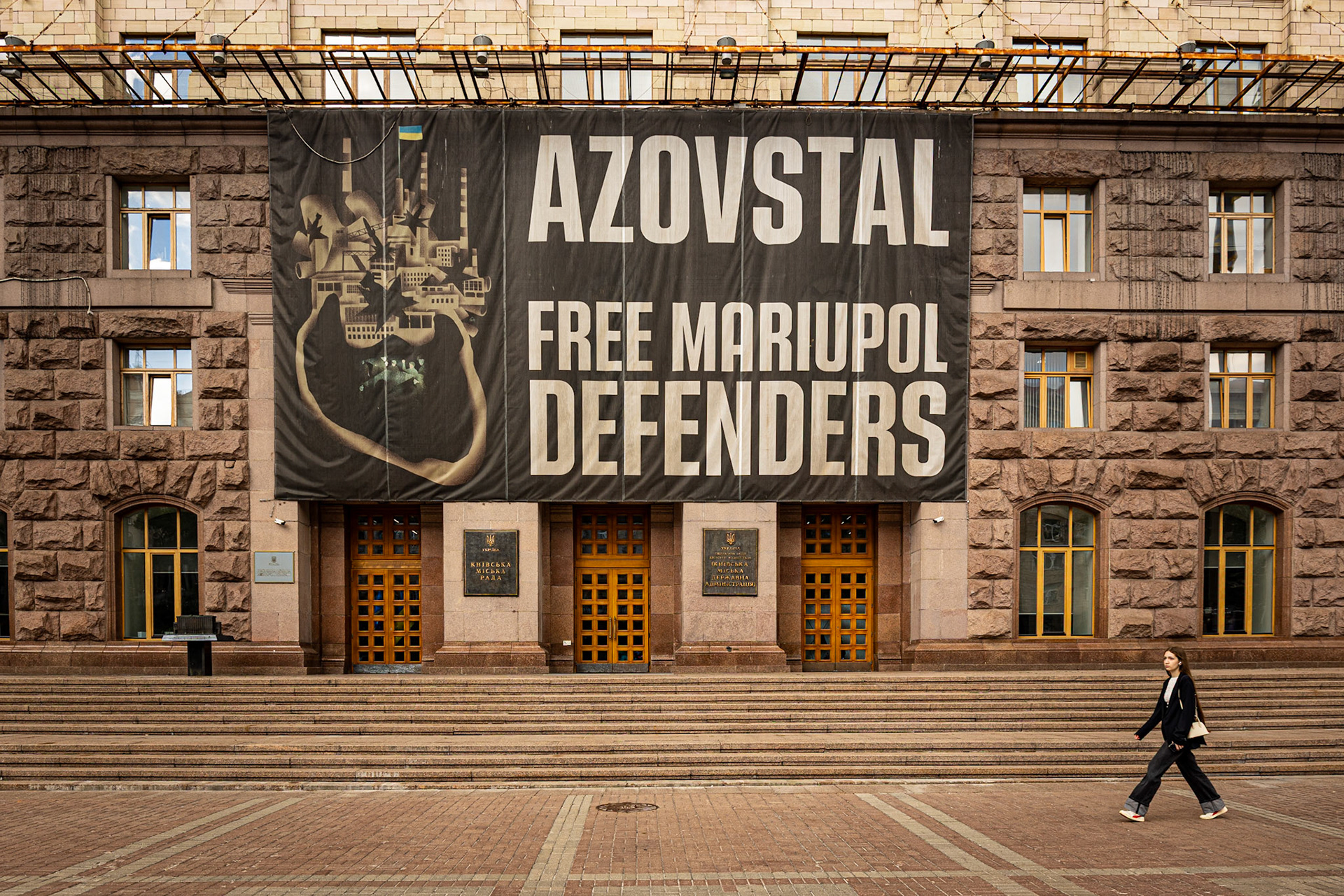
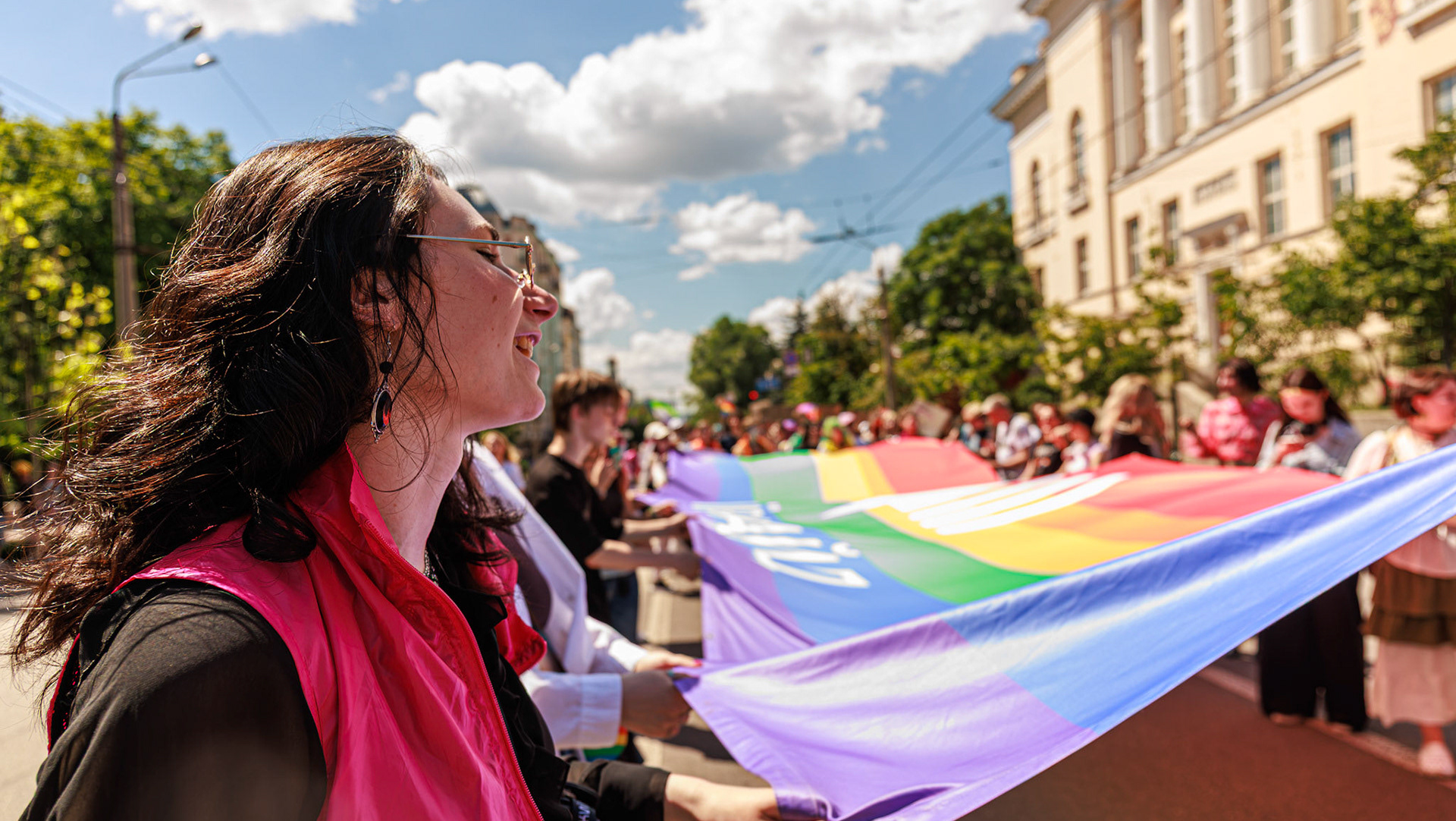
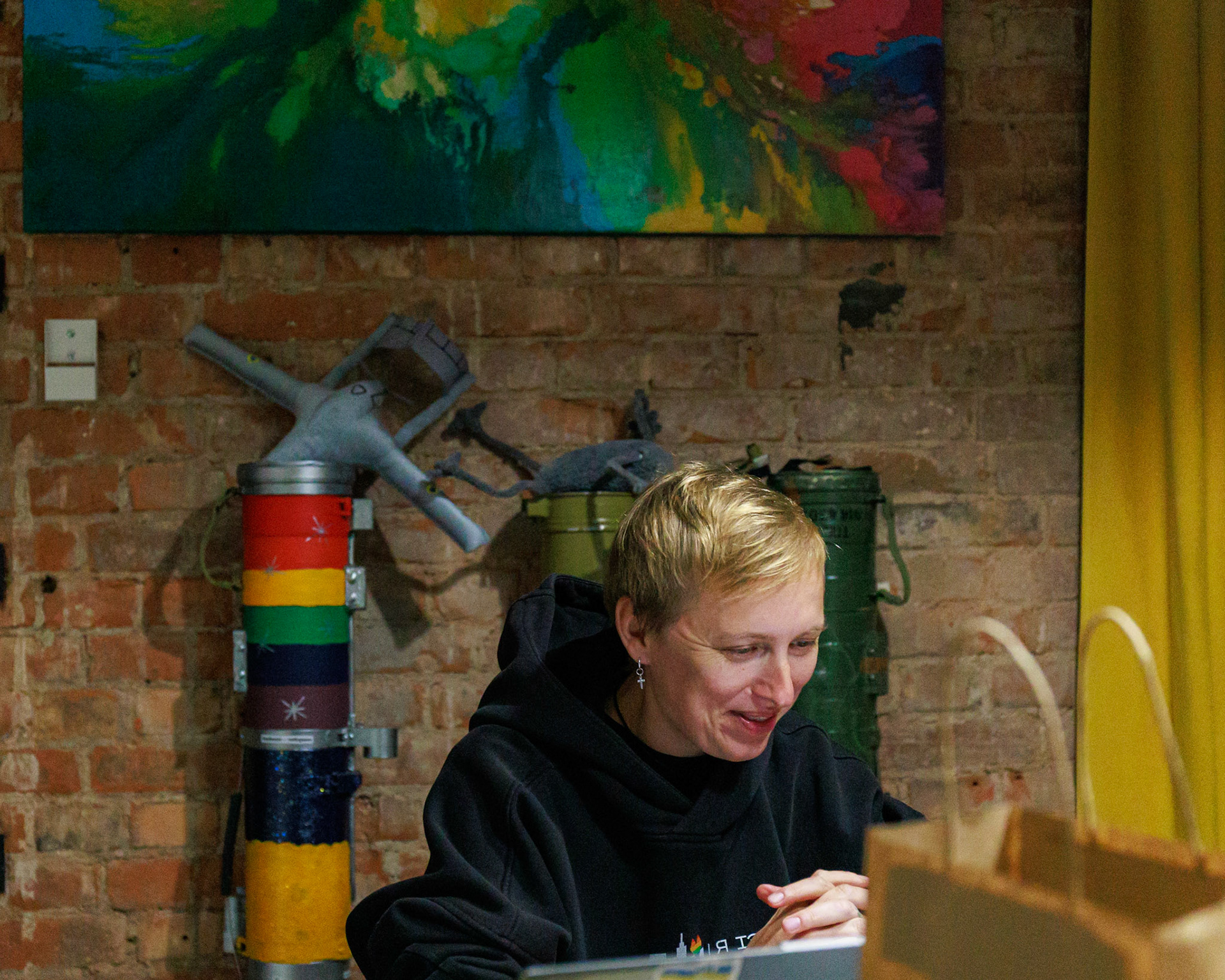
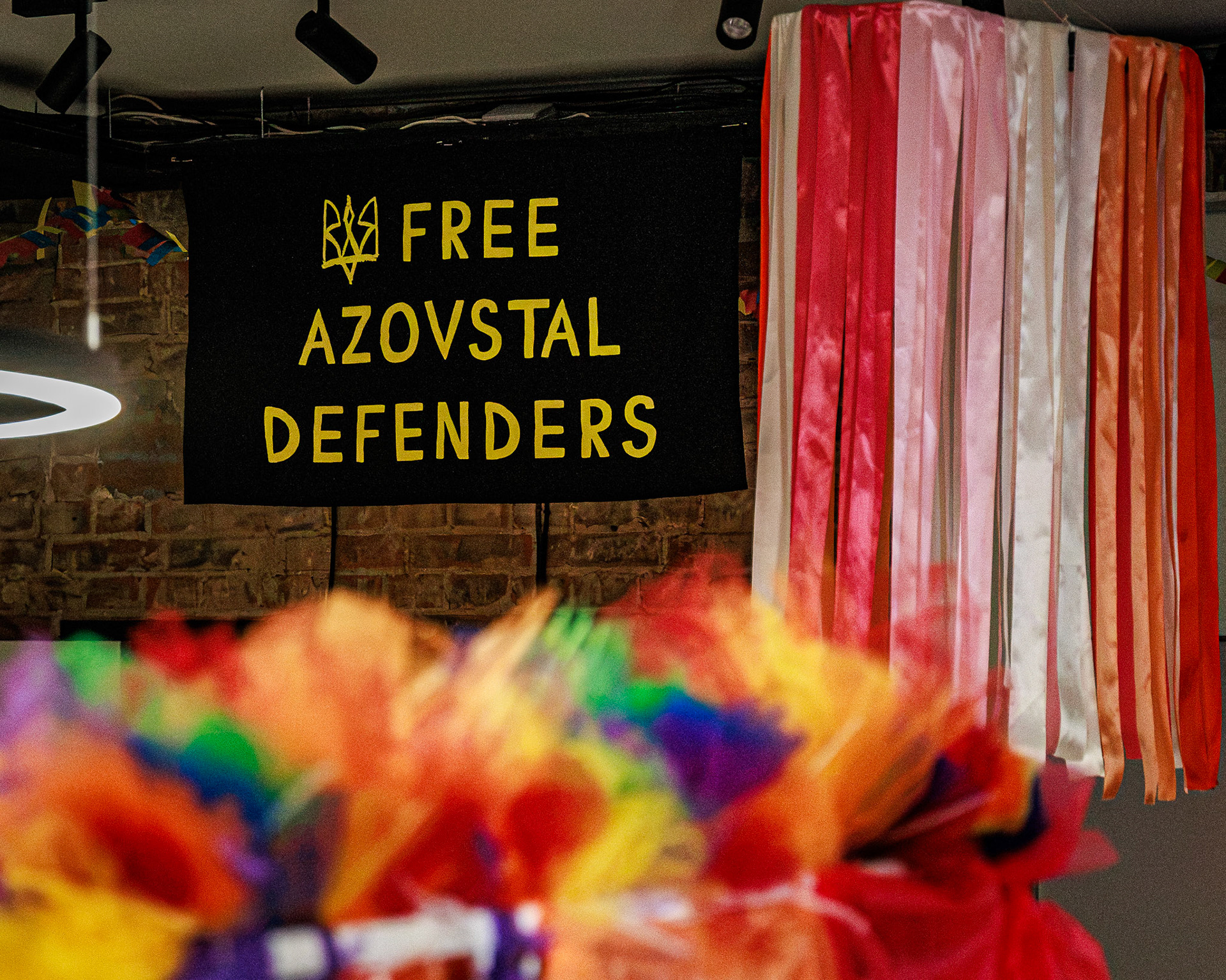
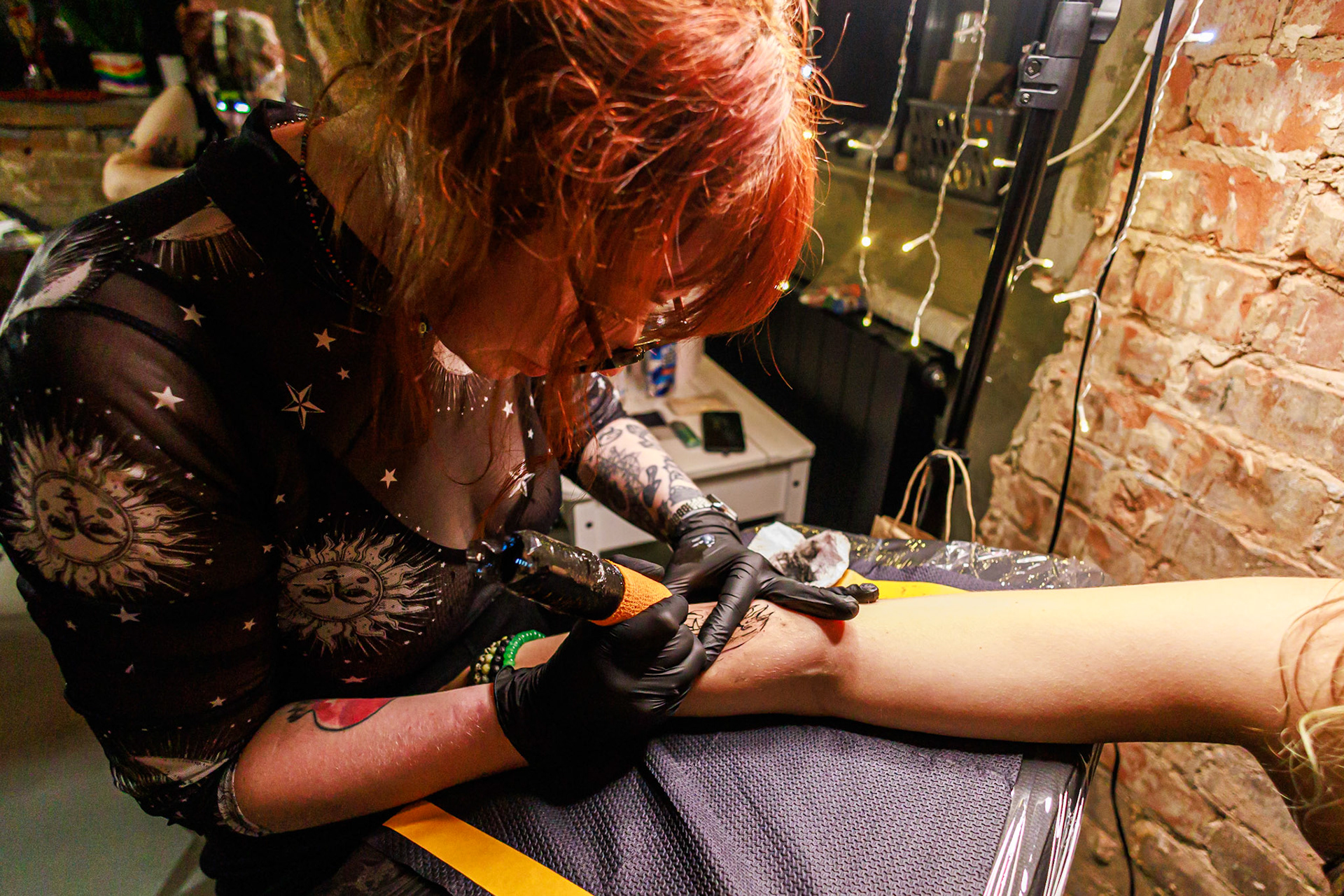
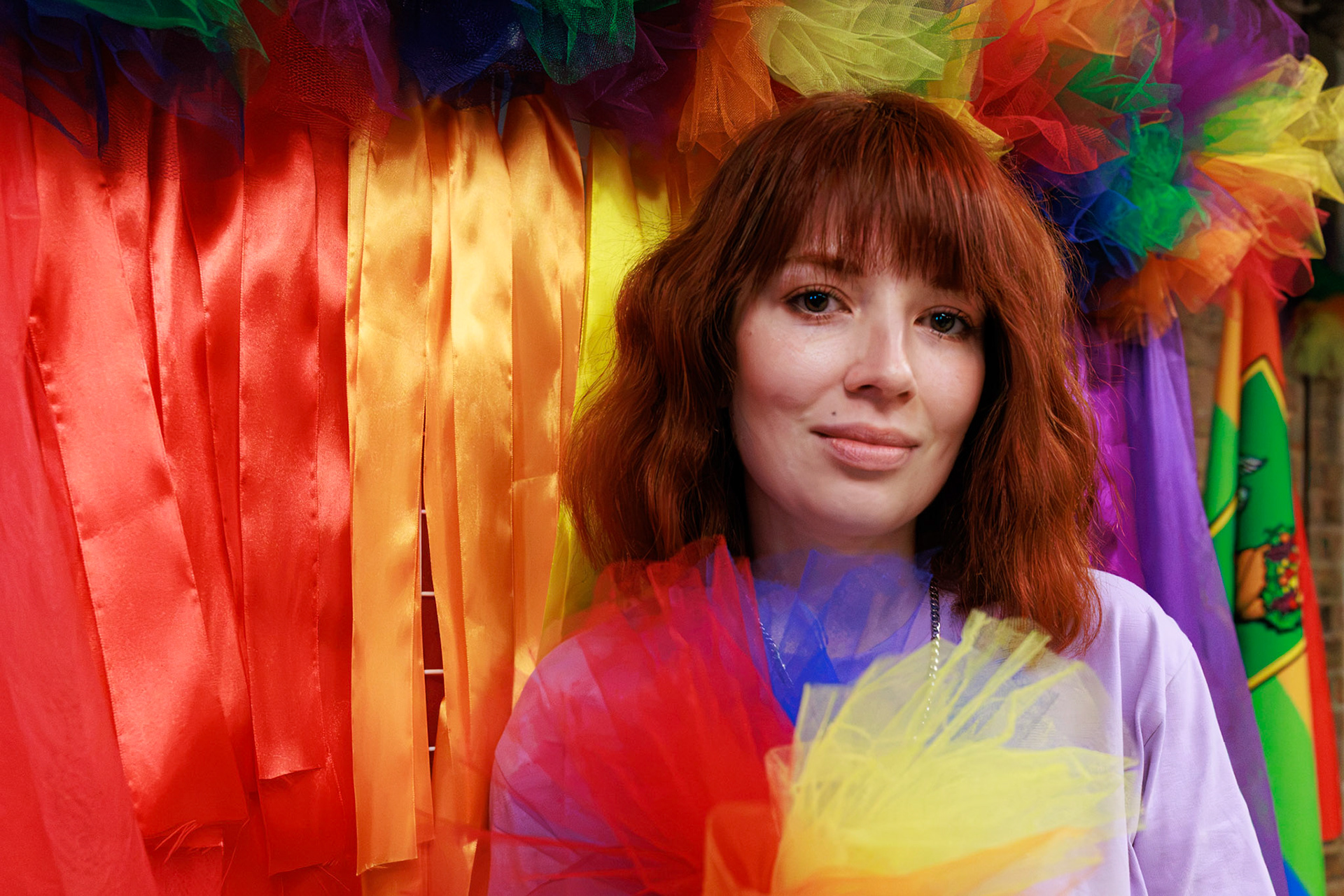
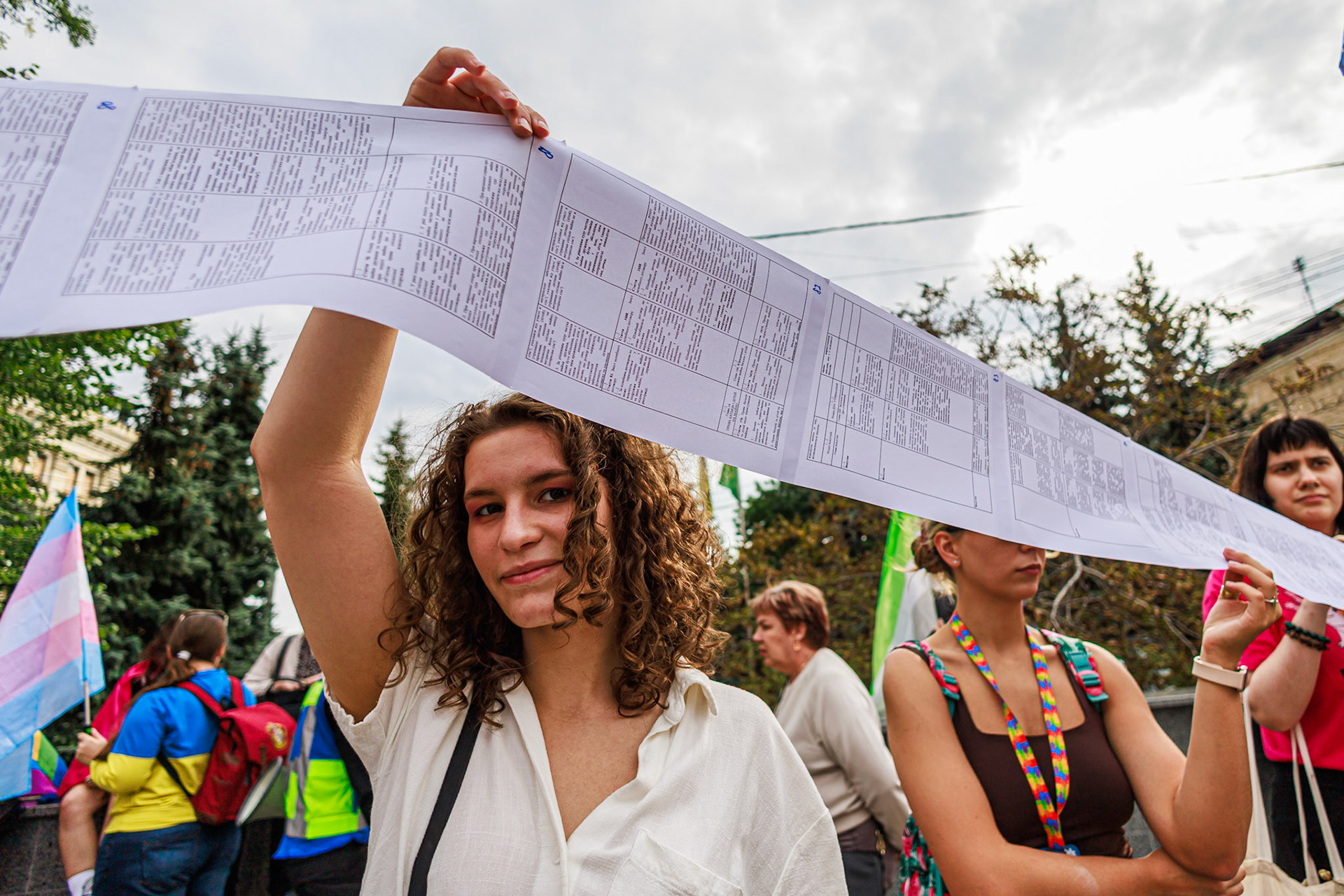
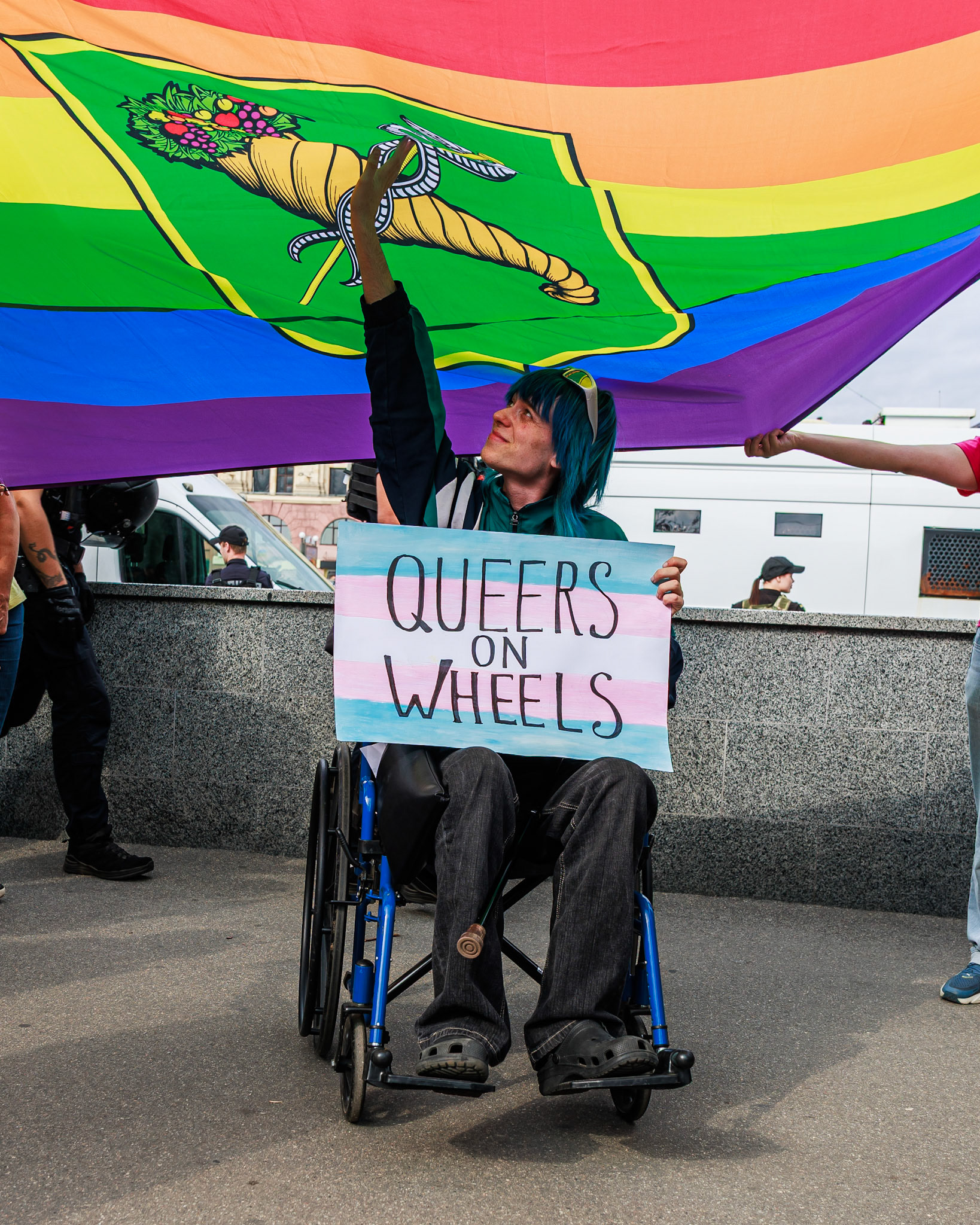
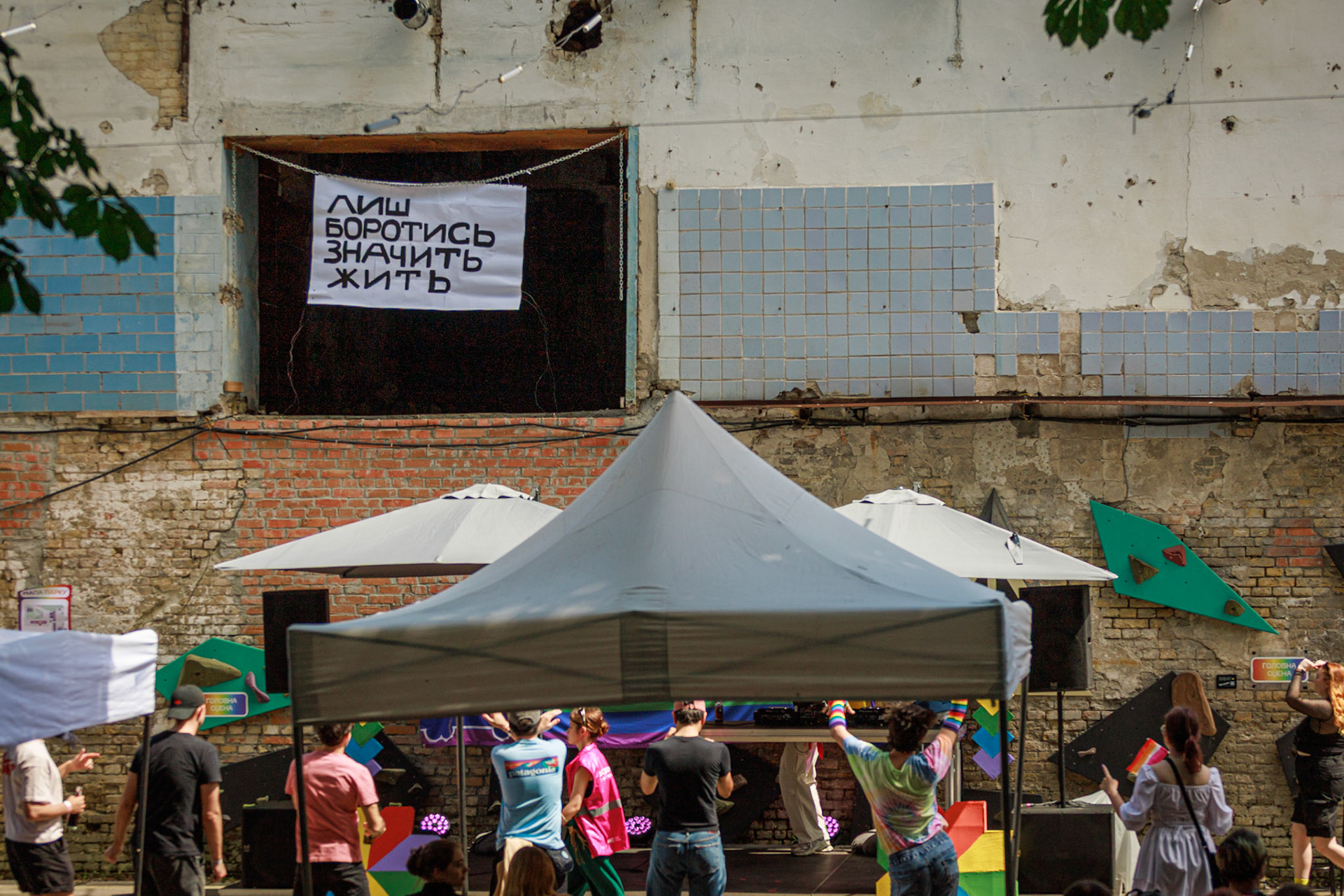
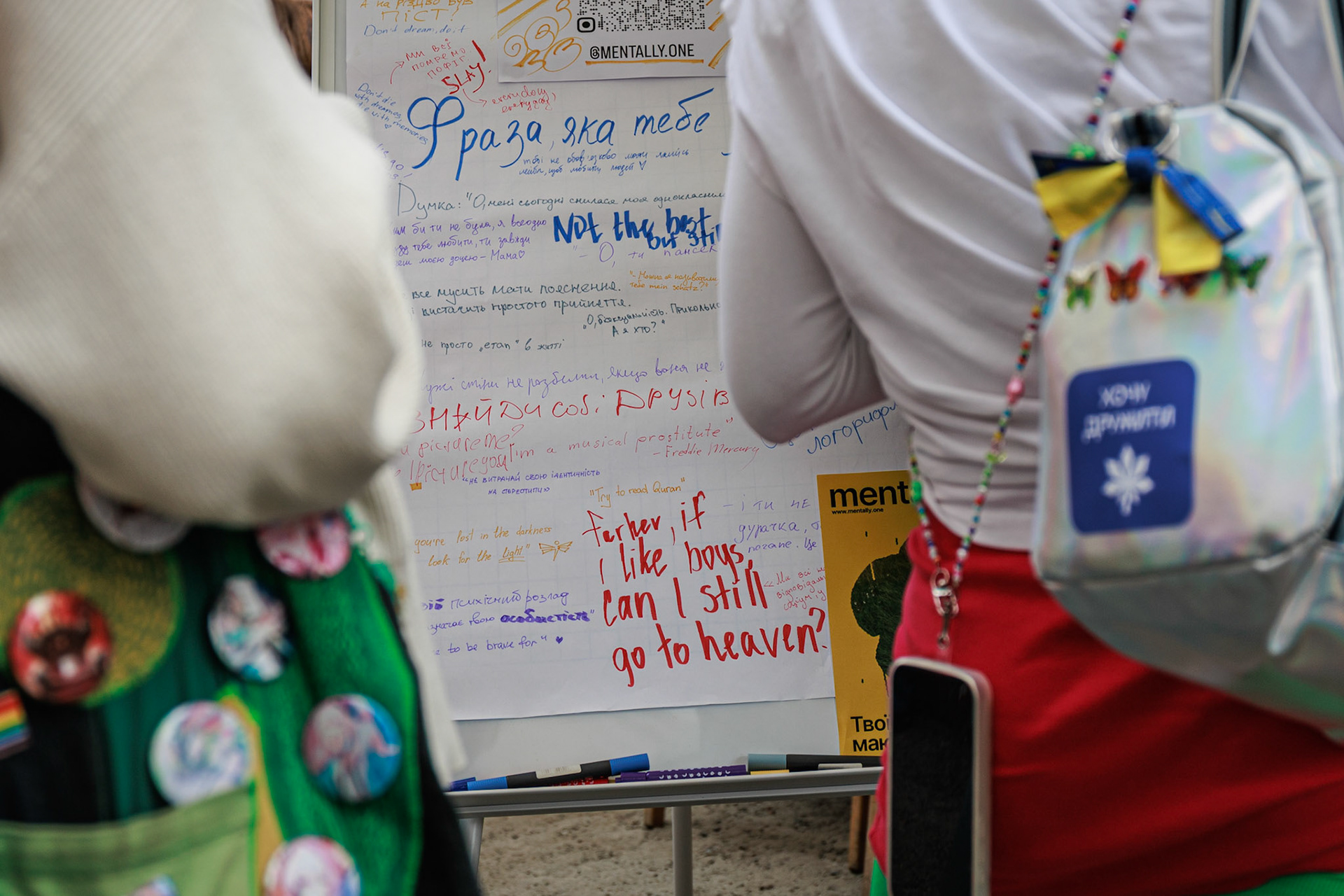
PrideFest took place outside the Pride Hub - and the Hub is what I keep coming back to. From a distance, queer activists are easy to dismiss as people who are just loud. In Kharkiv the Hub is a room for psychologists, a lecture hall, a queer library and, when the sirens go, an air-raid shelter. A FREE AZOVSTAL DEFENDERS banner hangs above the rainbow tulle; entry to the festival was a donation towards a pick-up truck for the army. In wartime, this is not noise. It is infrastructure.
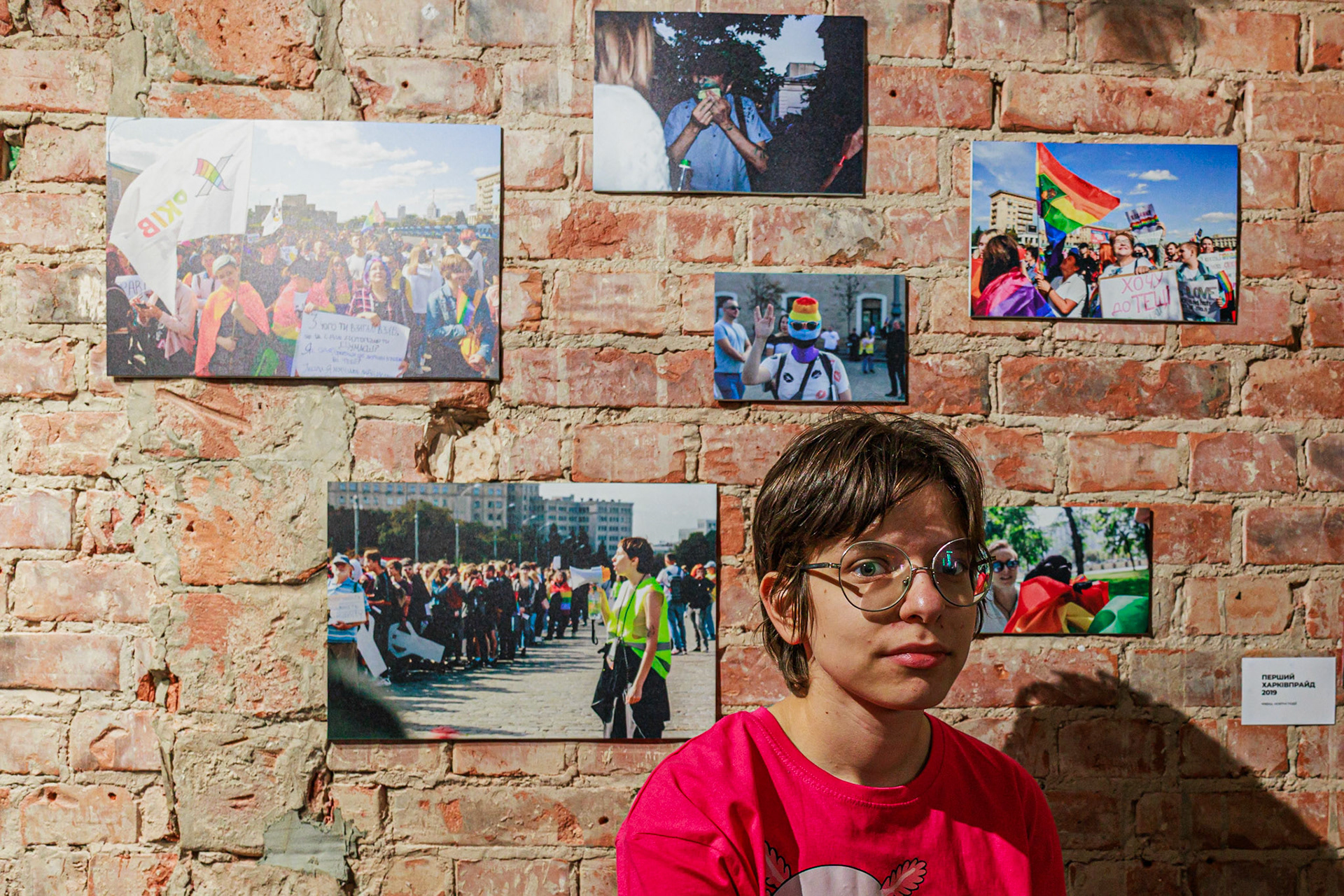
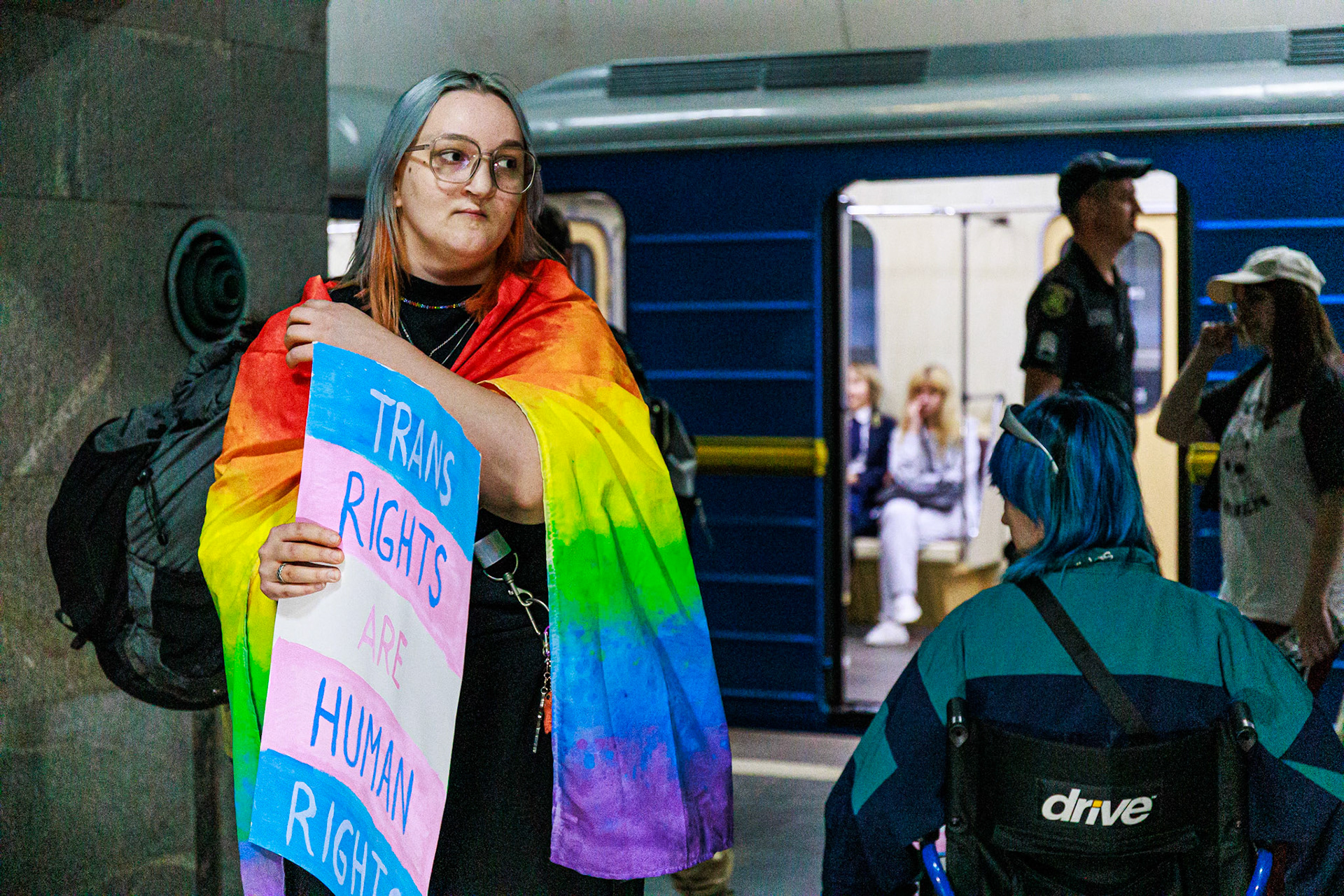
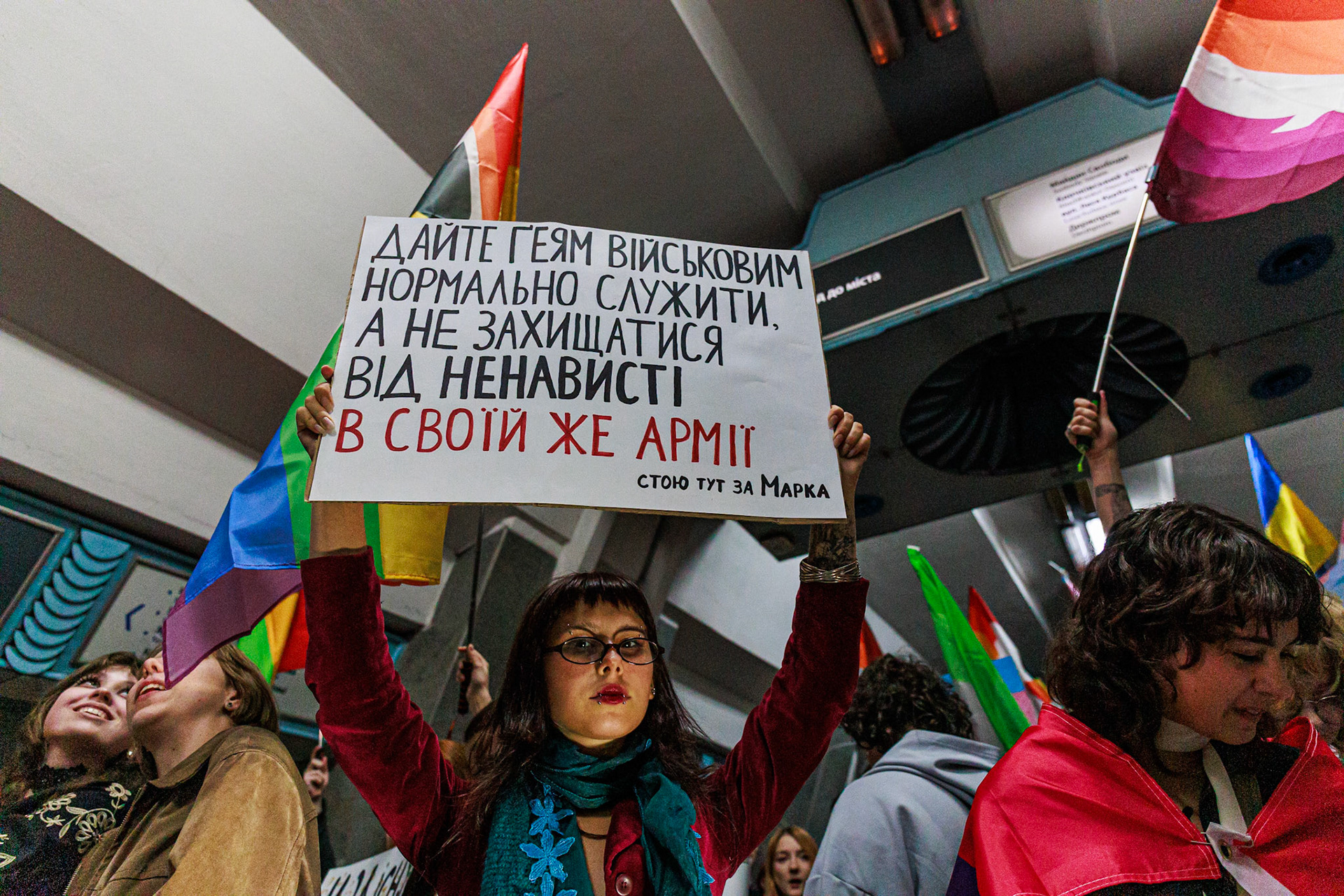
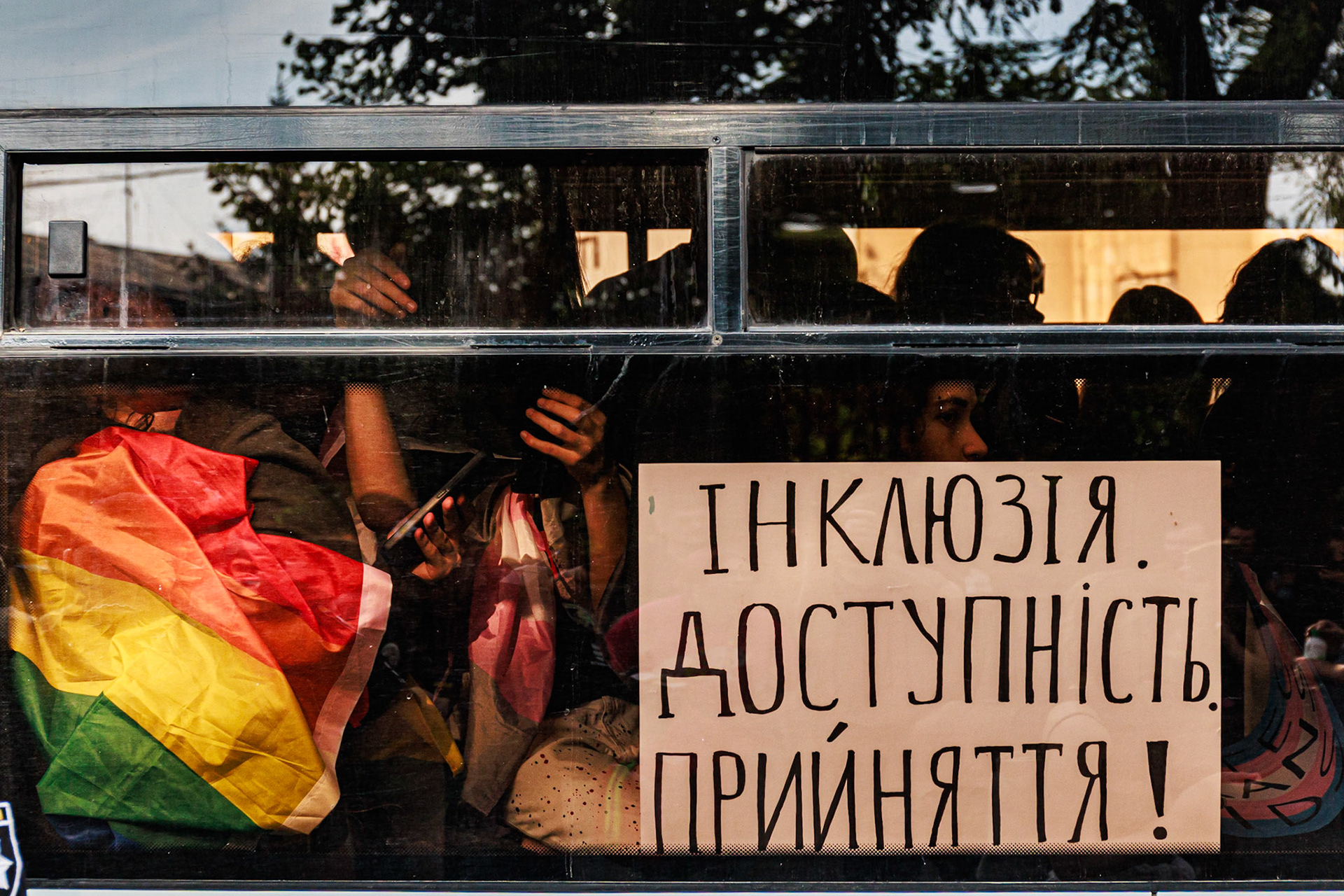
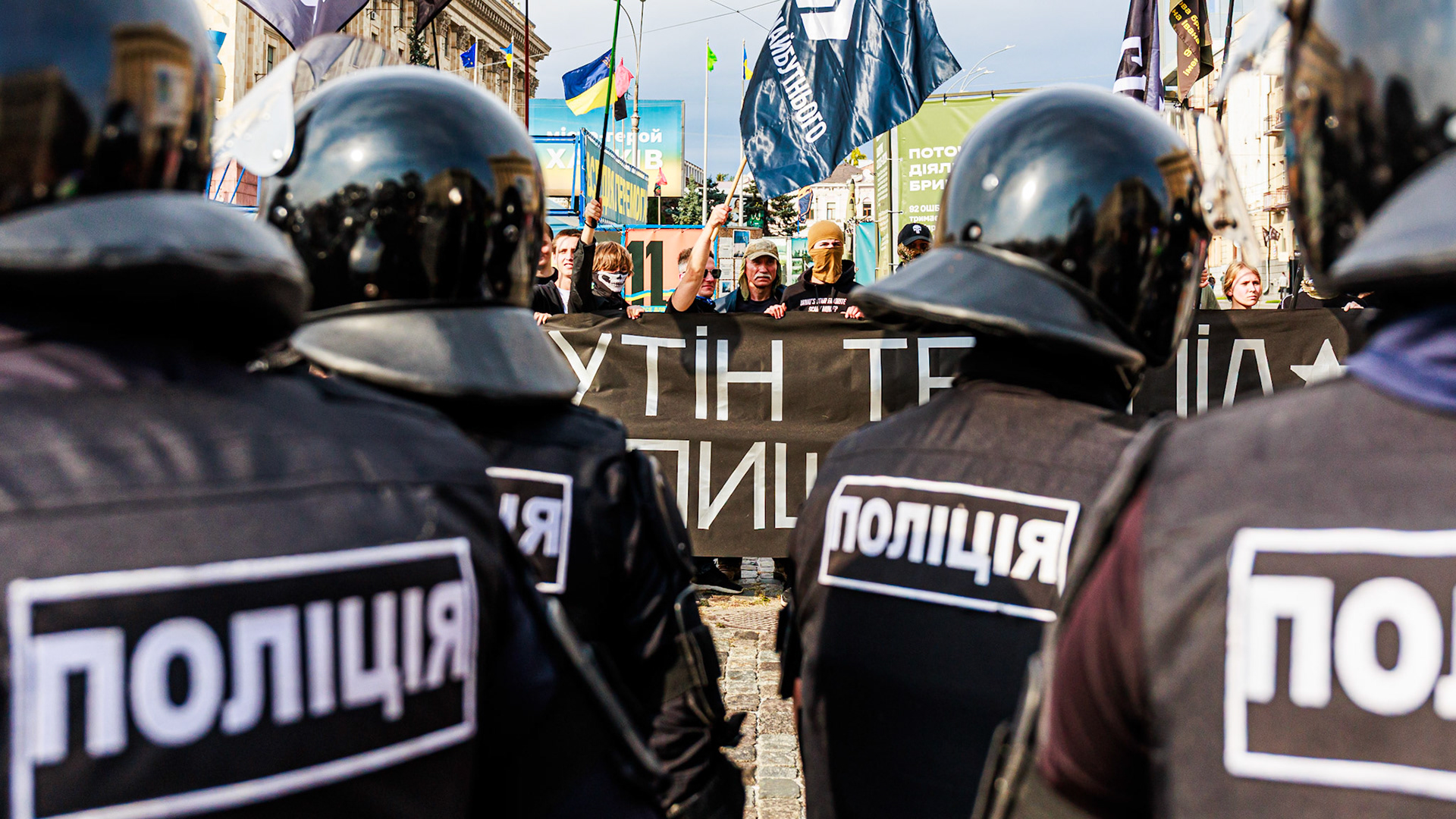
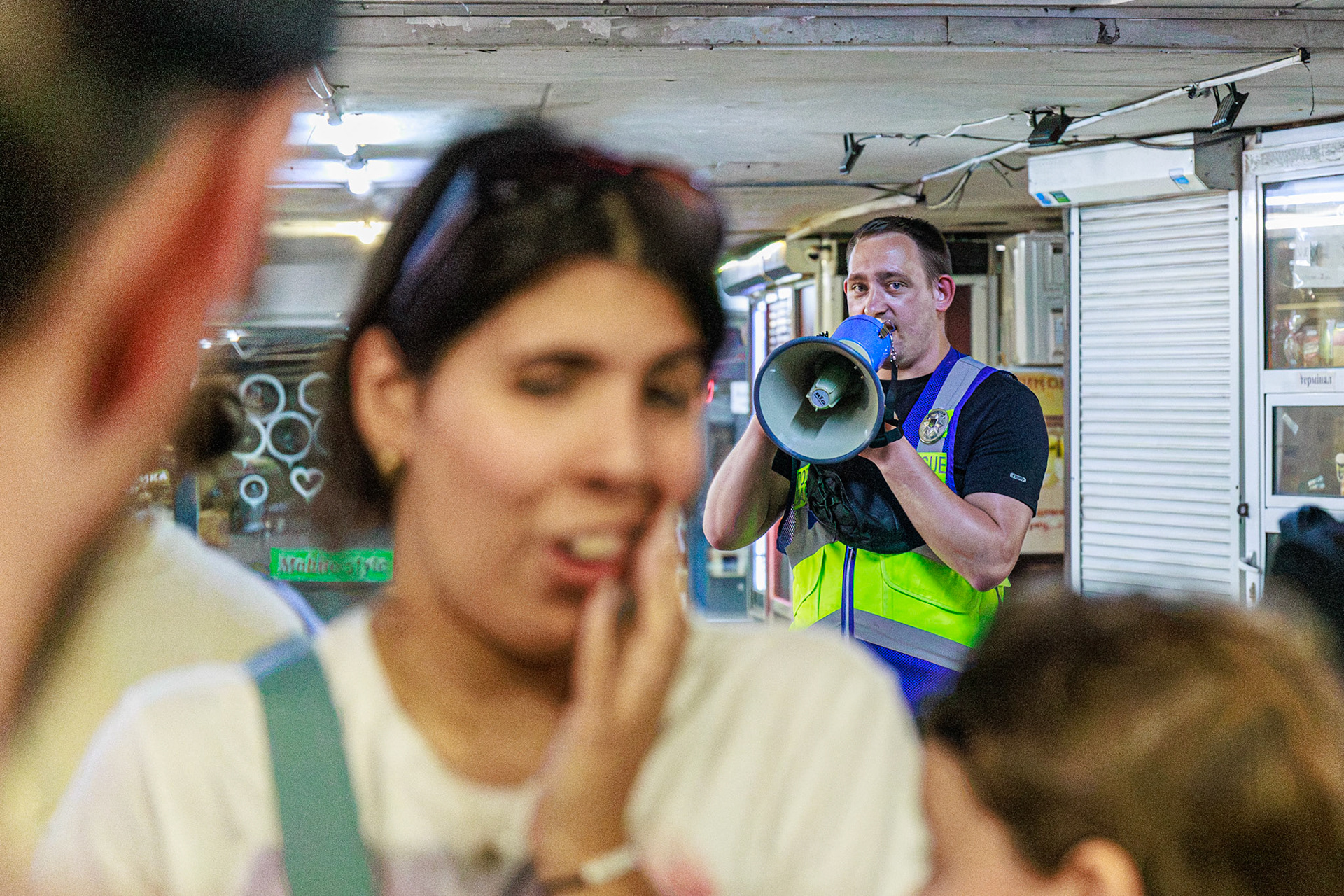
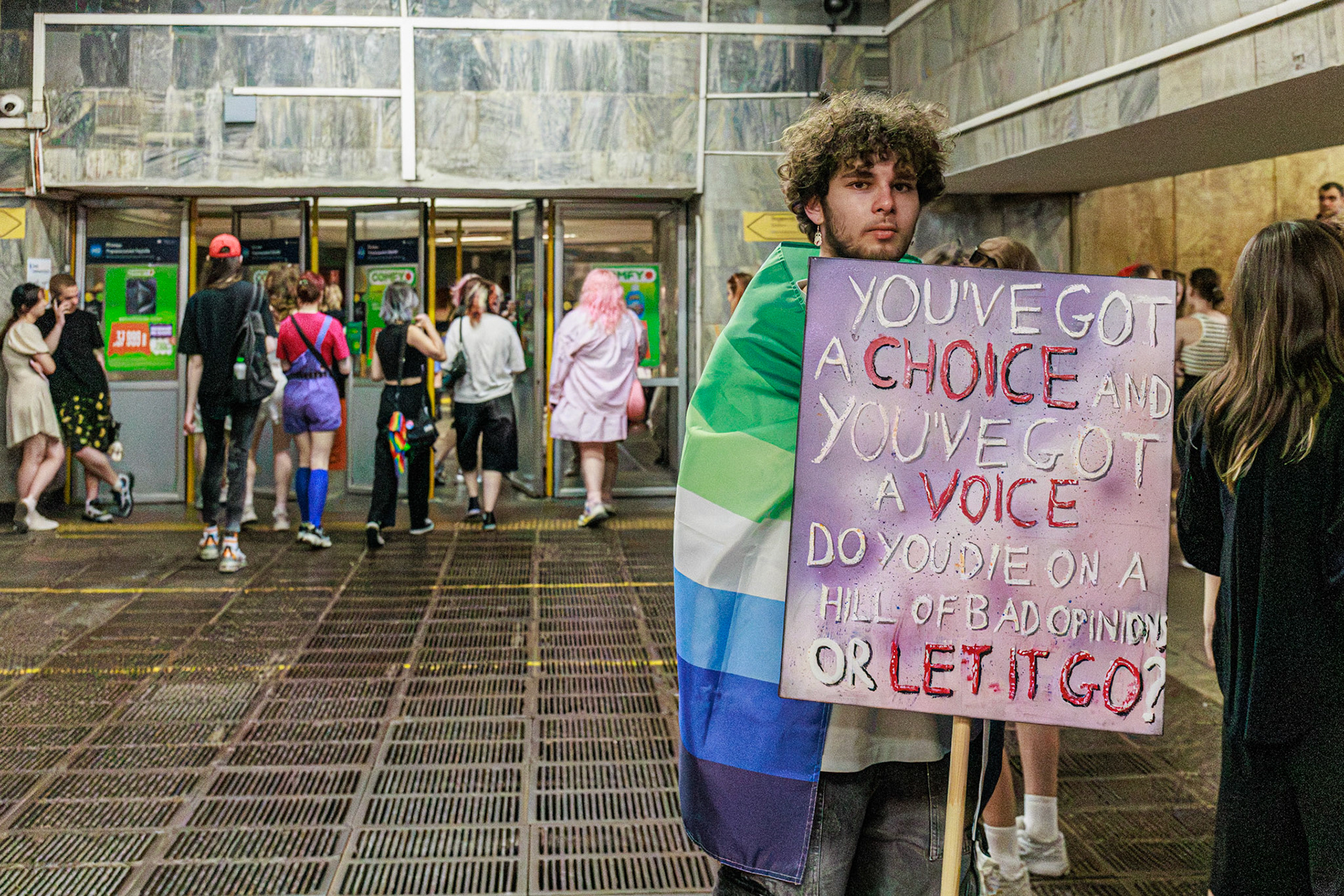
The march began on a metro platform; the meeting point was sent over Telegram shortly before. In 2019 the first Kharkiv Pride brought thousands; this year police counted around seventy. Afterwards, buses took the marchers away from the square.
Interviews: Marho, Dmytro and Lev (name changed).



2026 - Kyiv - KyivPride
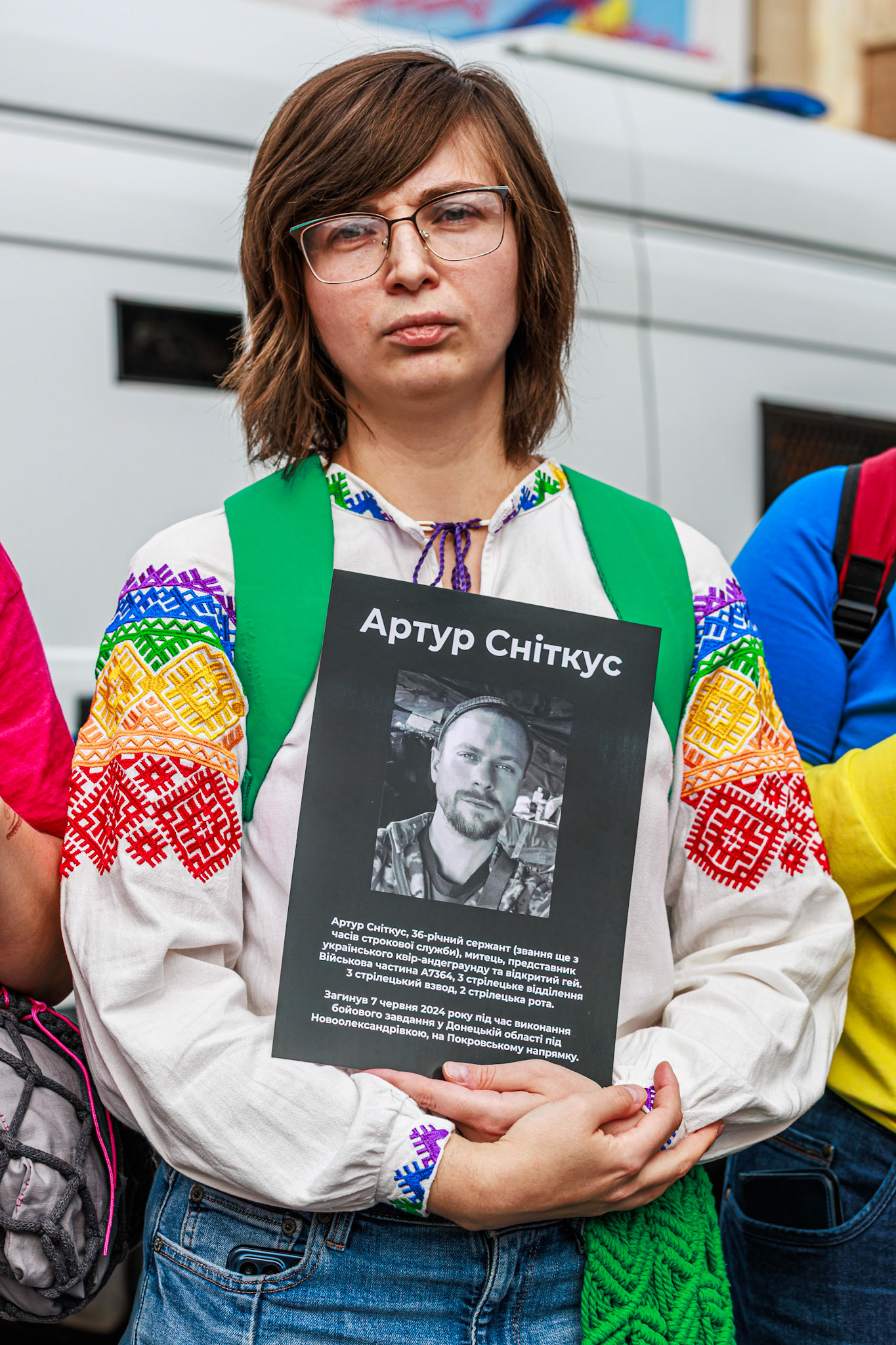
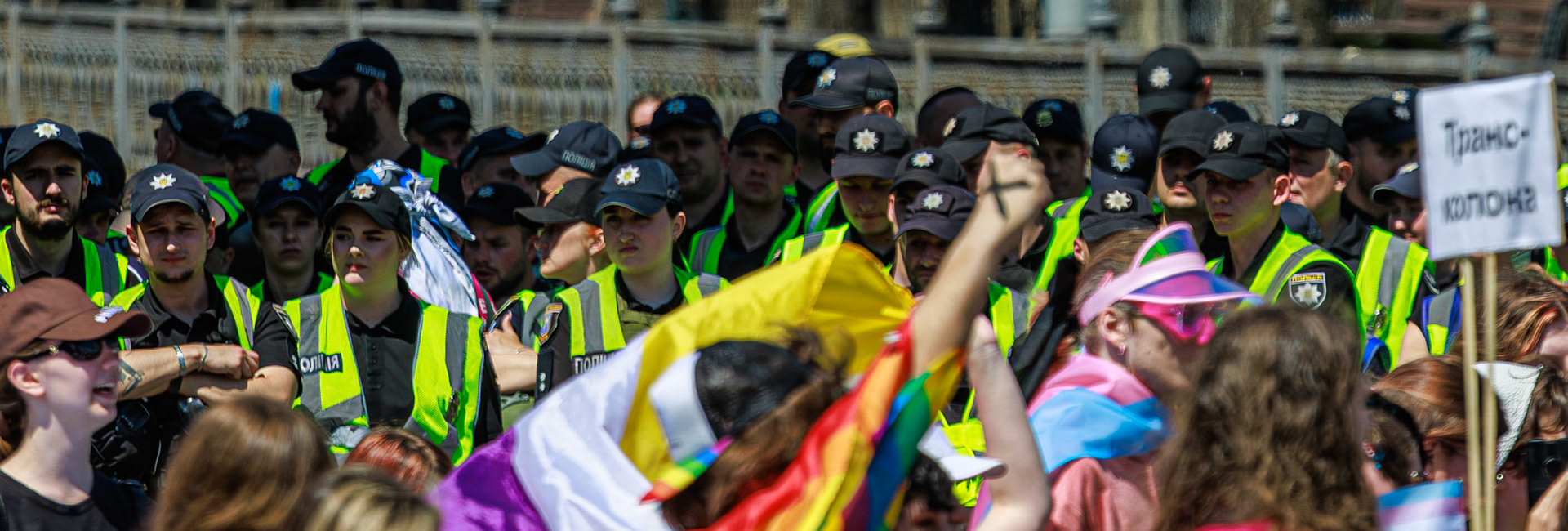
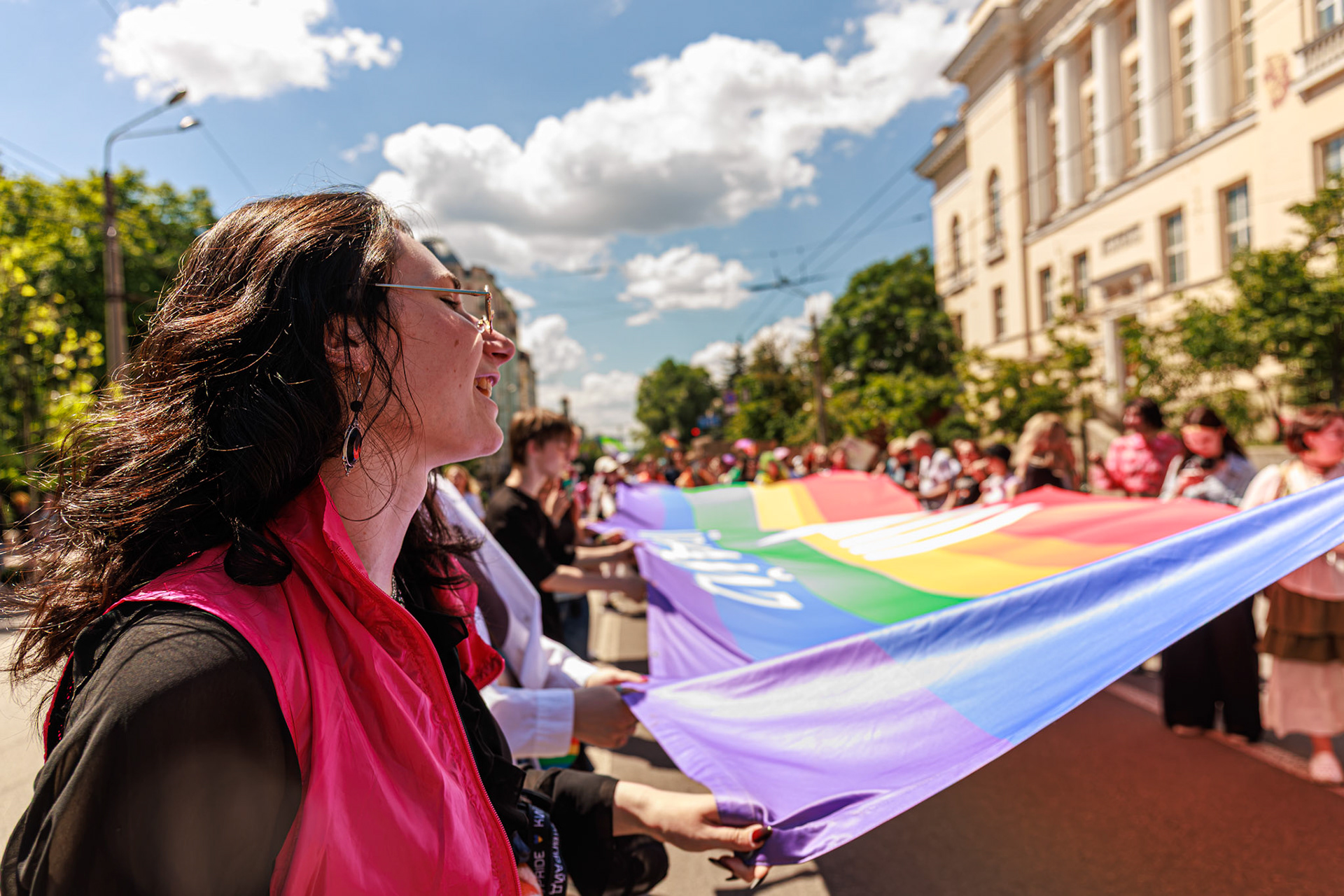
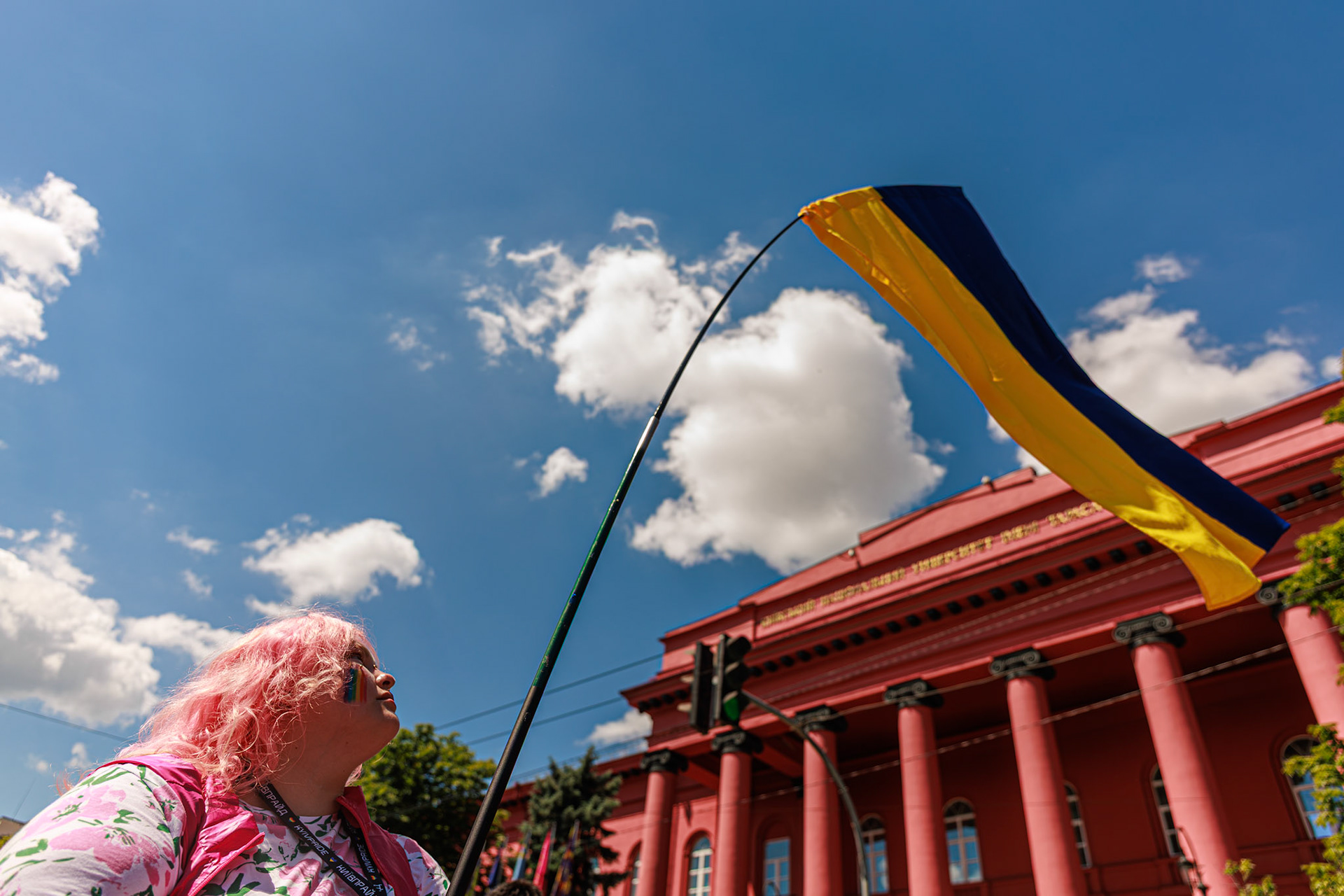
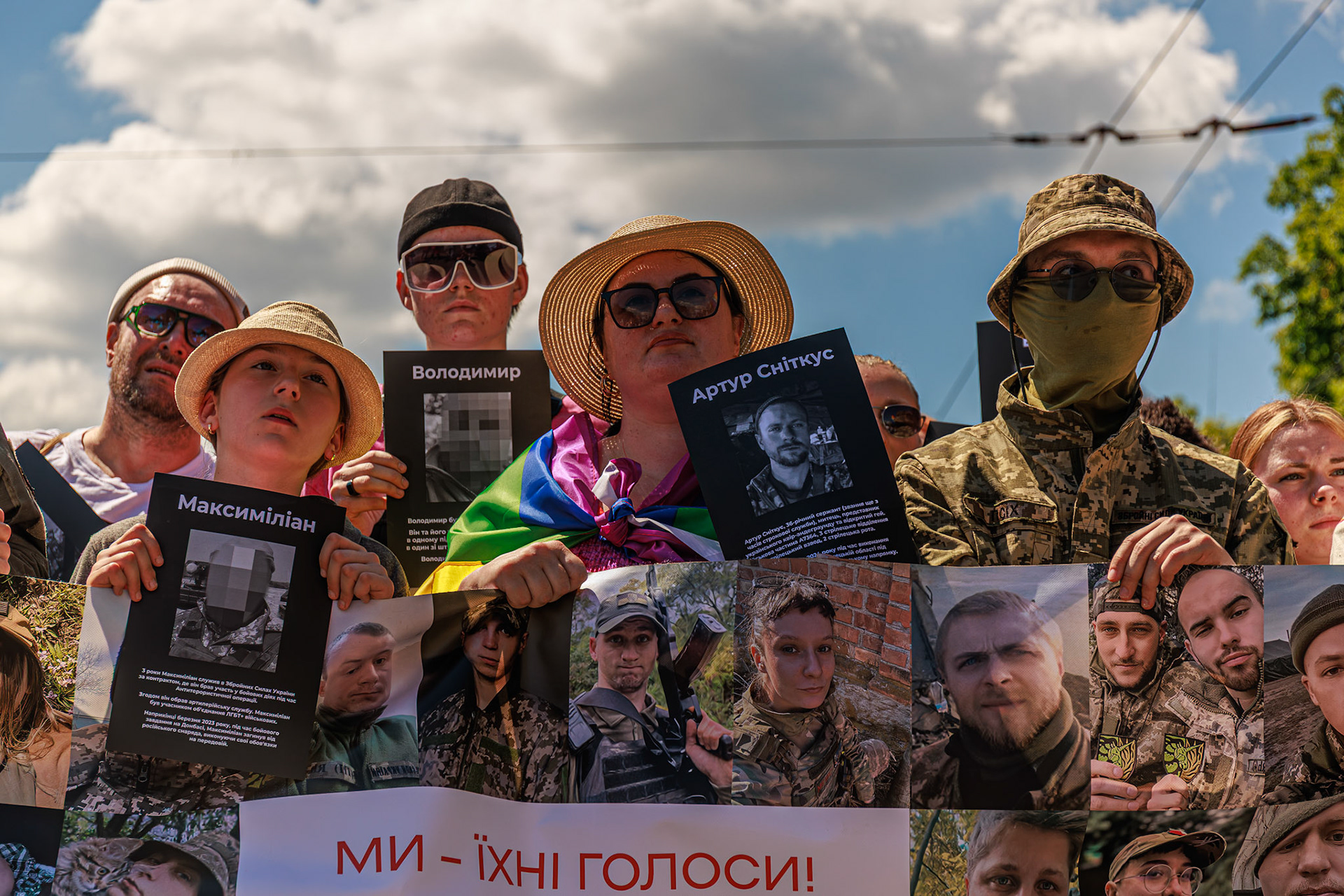
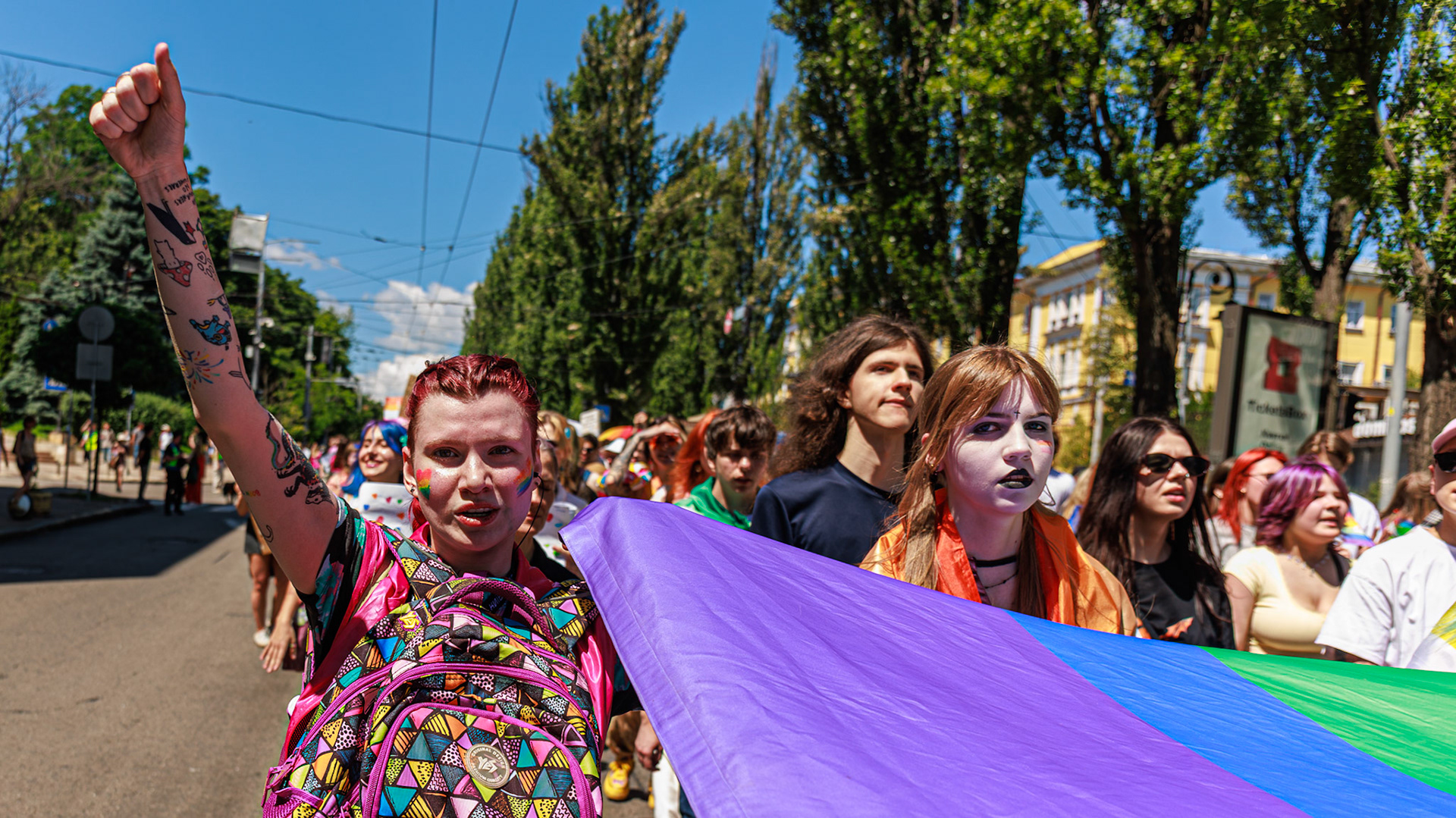
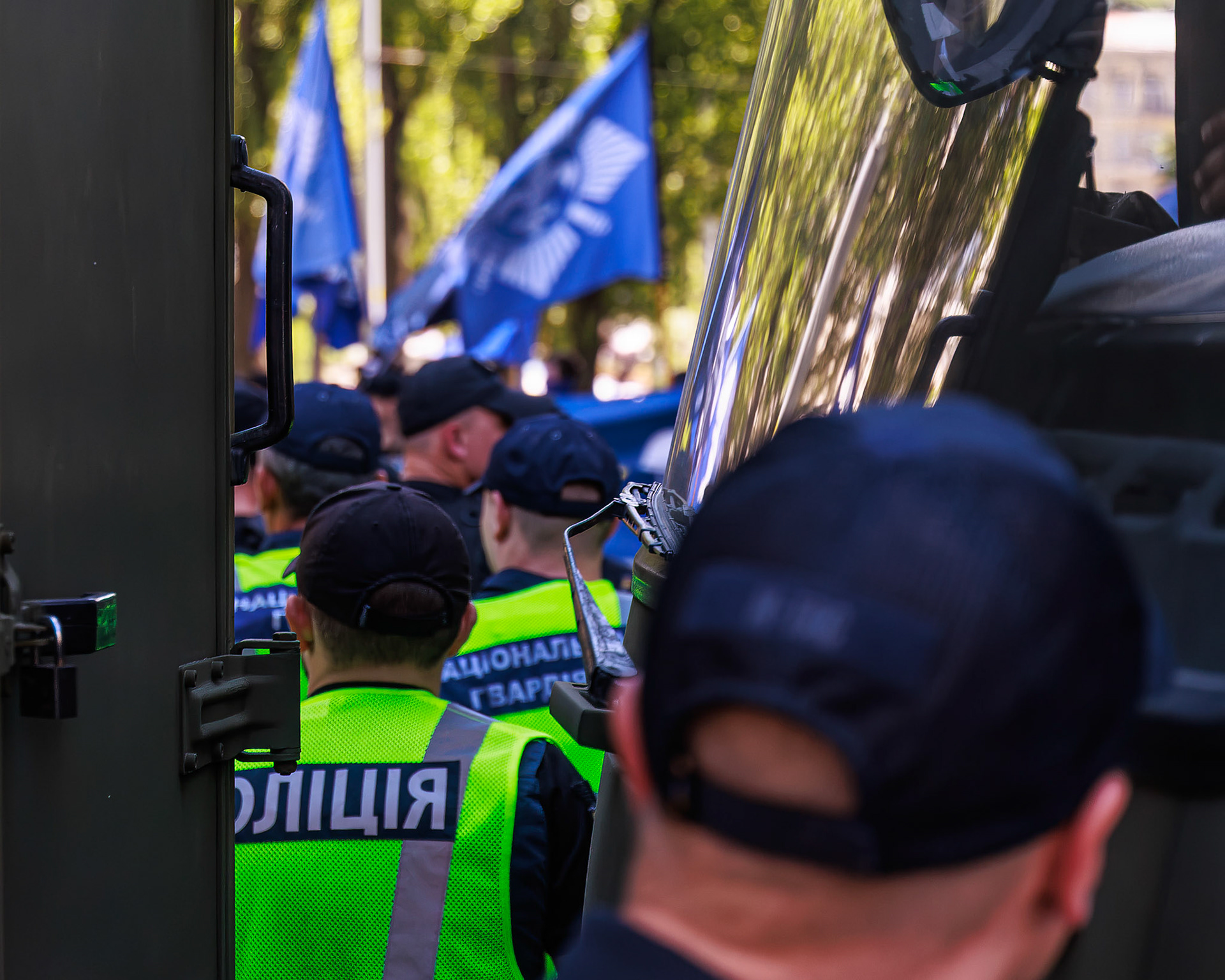
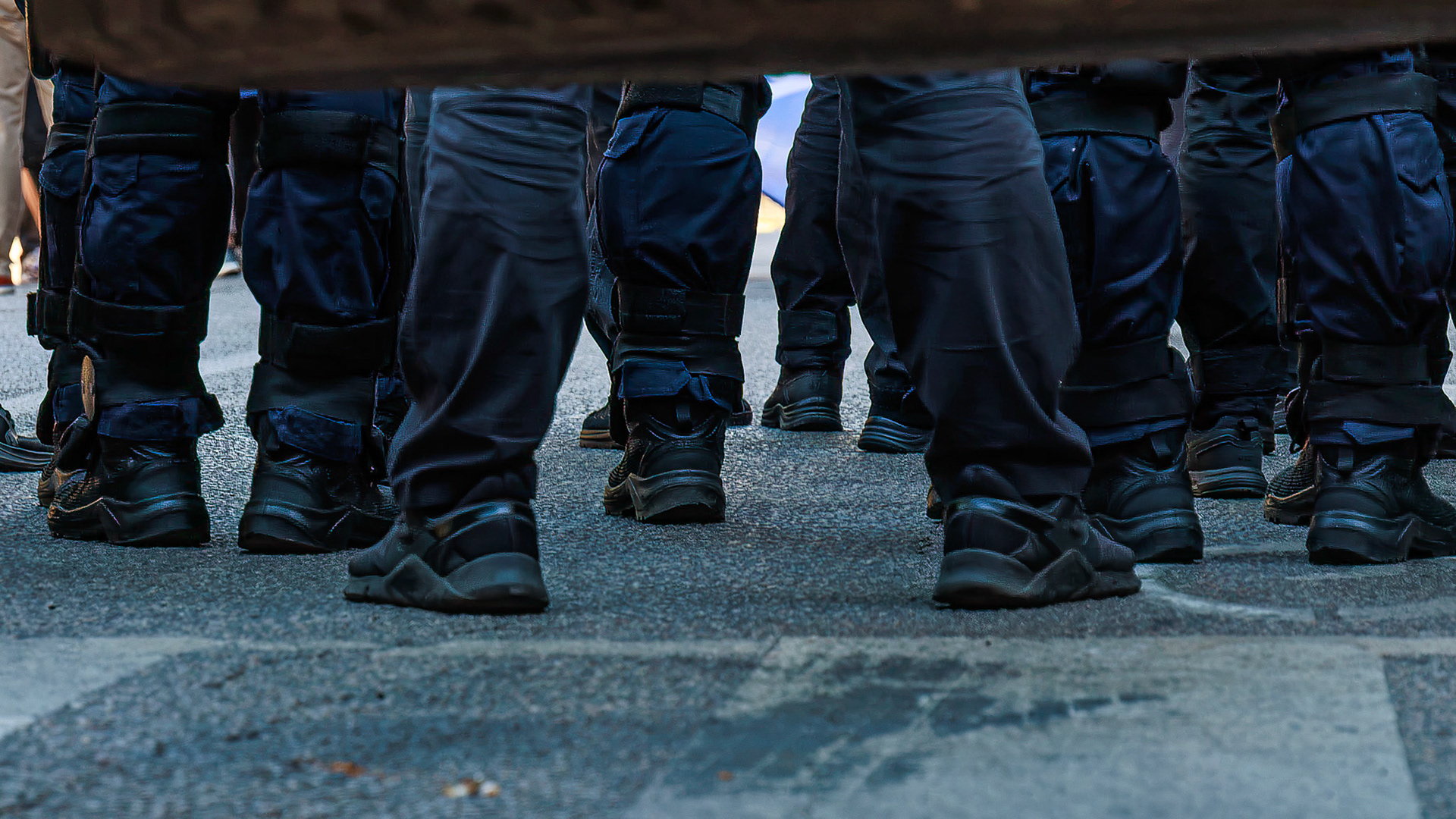
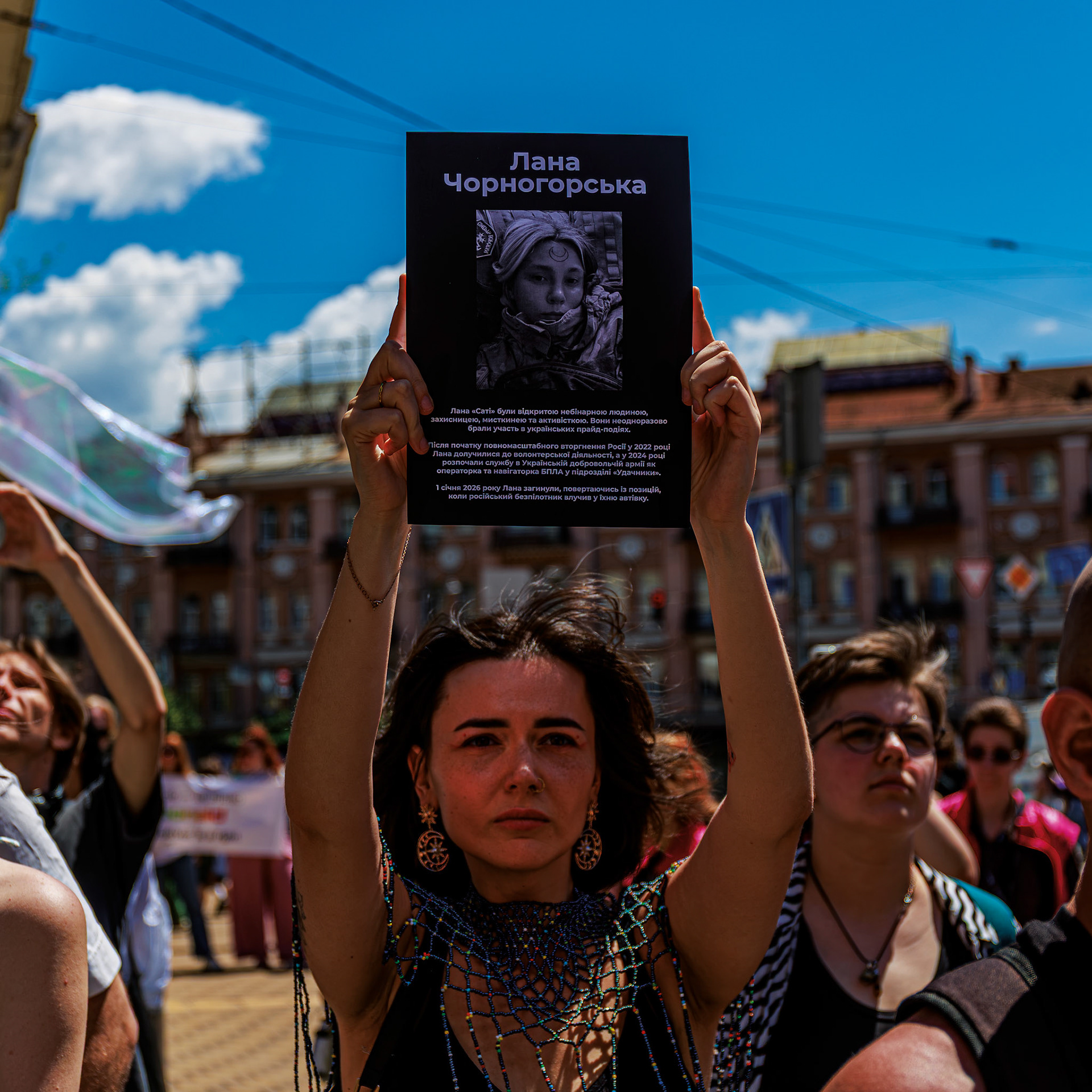
The third Pride in Kyiv since the full-scale invasion. About 5,000 people marched from Taras Shevchenko University inside sealed police blocks. At the front, portraits of fallen queer soldiers under "We are their voices". It ended with an air-raid alarm, and the crowd went down into the metro.
Talking to Olena Shevchenko changed how I see activism. Her organisation, Insight, gives queer people across Ukraine legal, psychological and humanitarian help. The war, she told me, does not make everyone equally vulnerable - it deepens the inequalities that were already there. Queer people die at the front, and to the state their families are nobody.
Two answers stayed with me most. Vira Chernyhina, when I asked why hold a Pride in the middle of a war: "When, if not now? The next day can be the last day in your life. But your honour, your rights - it's important." And Olena, at the very end of our interview, for people in other countries: "Just don't take it for granted. Everything you have. At some point you can just wake up, and everything is gone. So you need to protect those gains which you already have."
Published in LUI magazine - a reportage and an interview with Olena Shevchenko in the print issue LUI TRUE LUXURY, and the web reportage (19 August 2026). Text, interviews and photographs: Luky K. Interviews: Olena Shevchenko (Insight), Vira Chernyhina (Sphere / KharkivPride / KyivPride), Yakiv Lavrynets; Mykyta and Yegor at Pride Park.


2026 - Kyiv - A morning in Kyiv
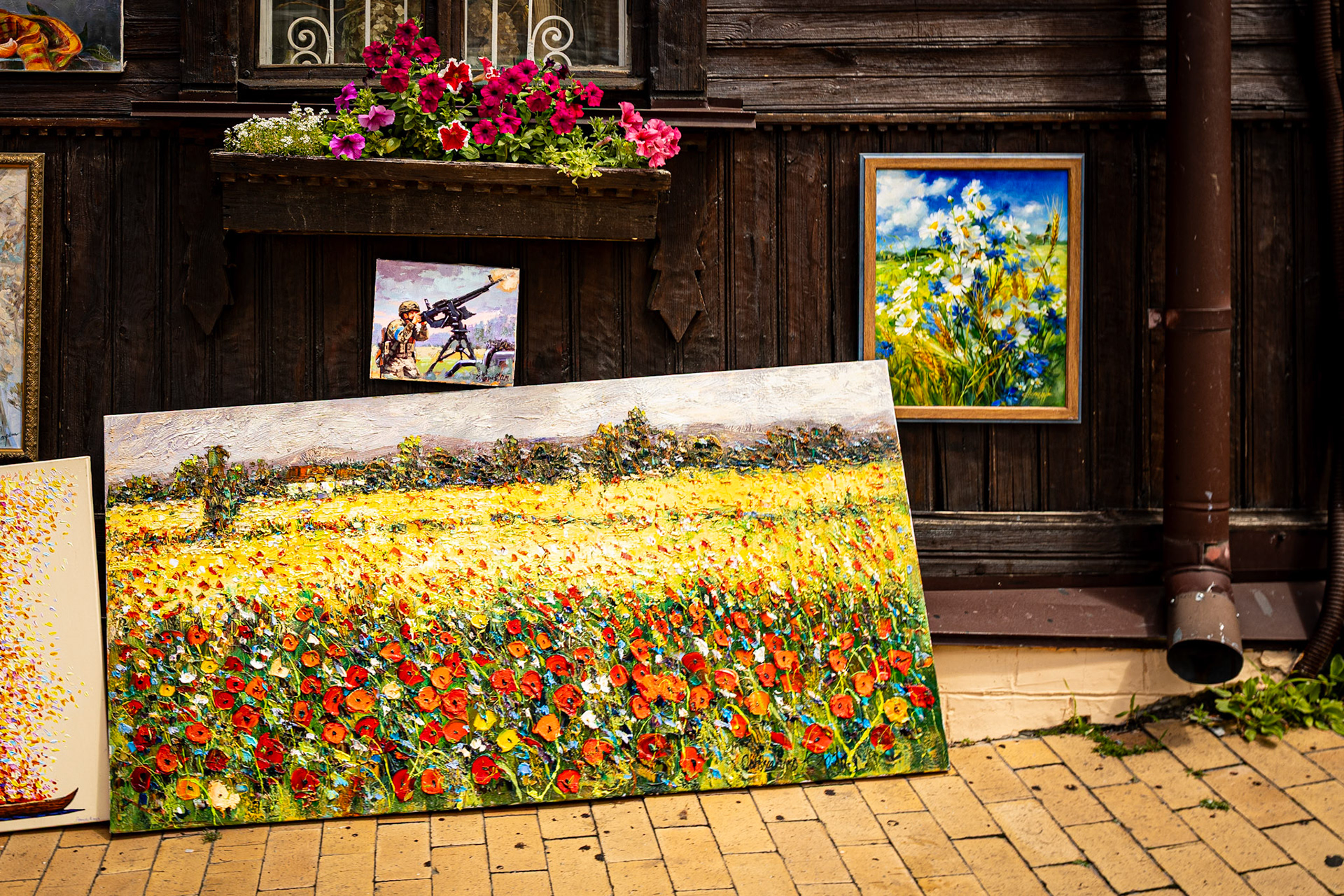
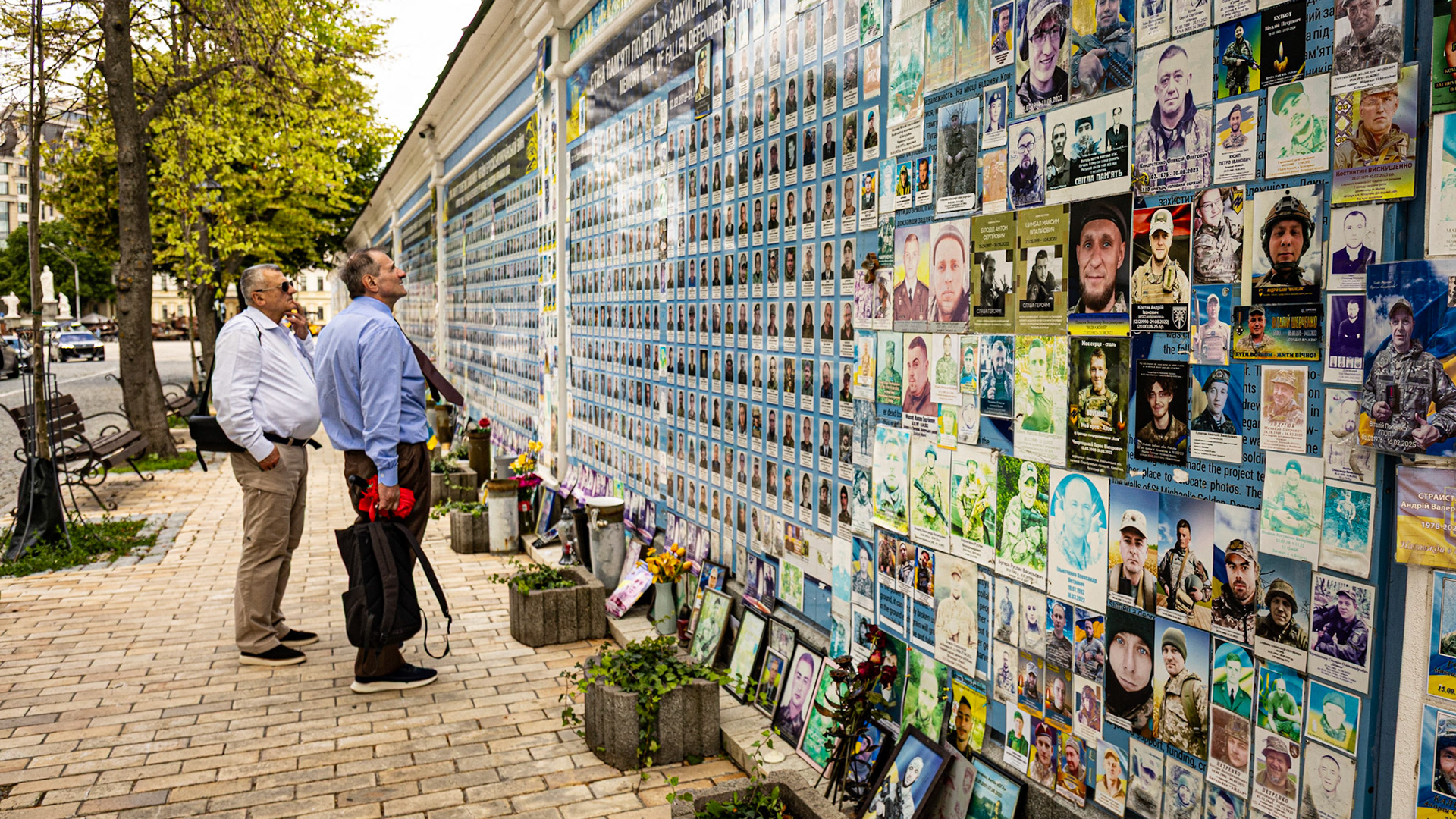
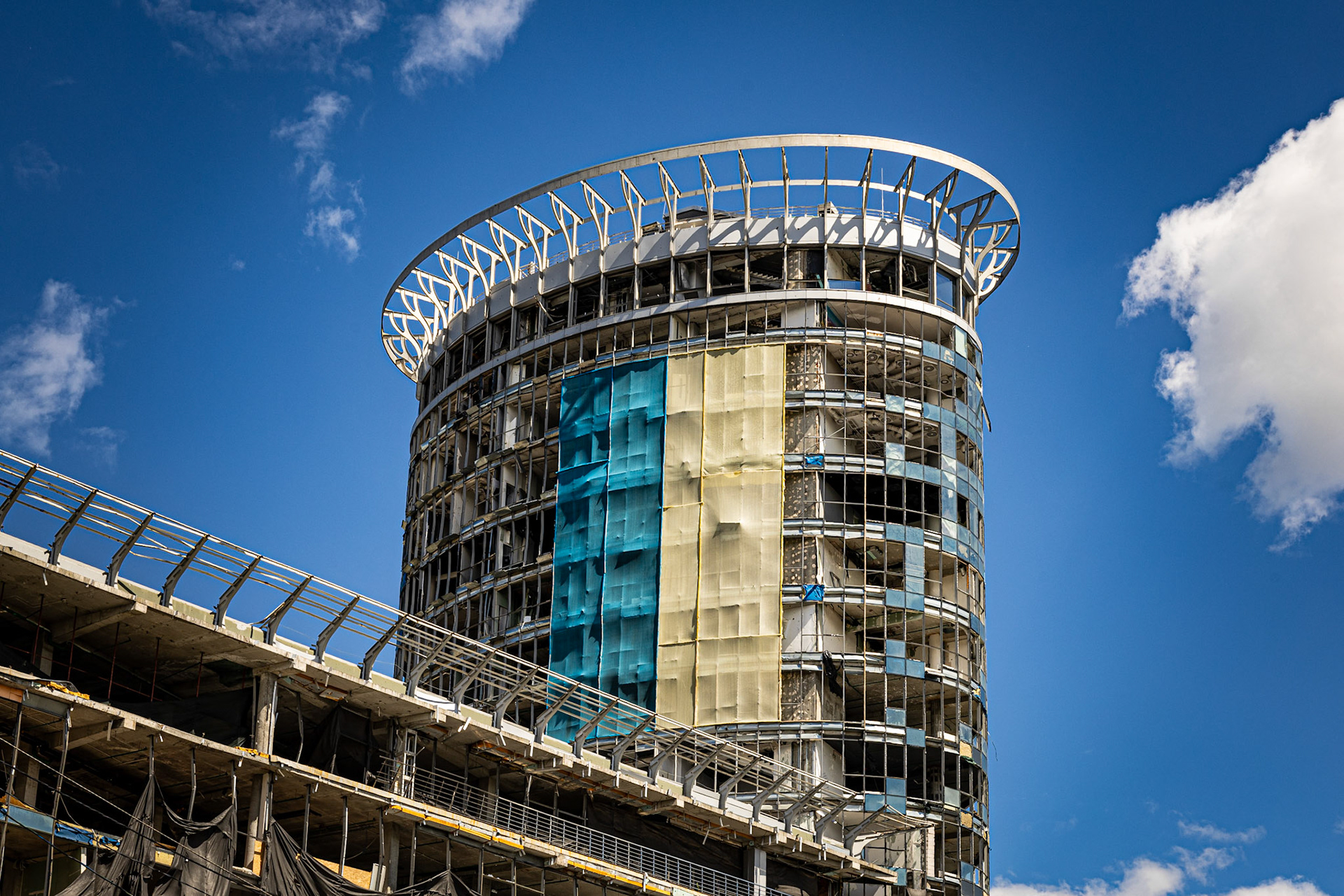
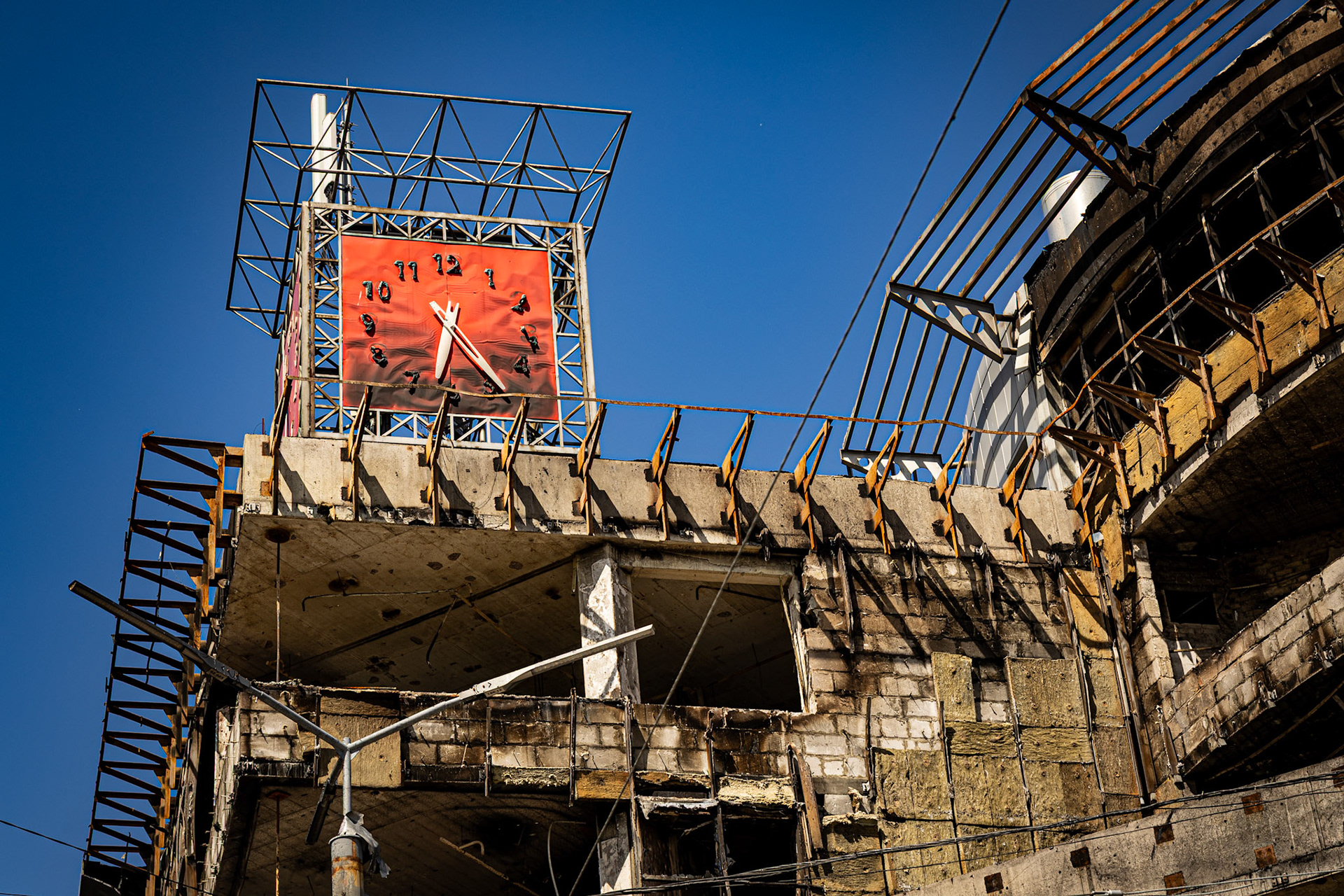
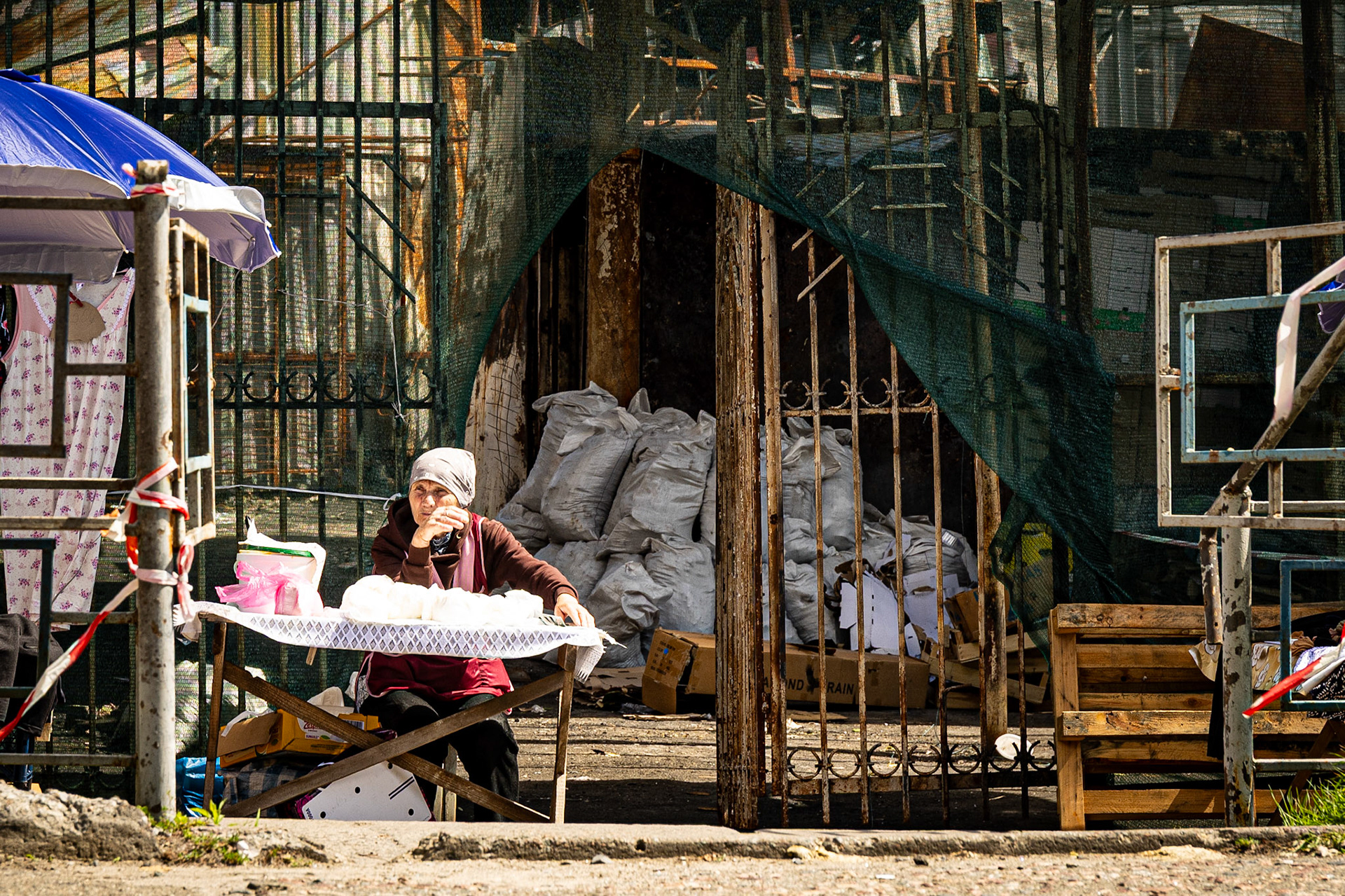
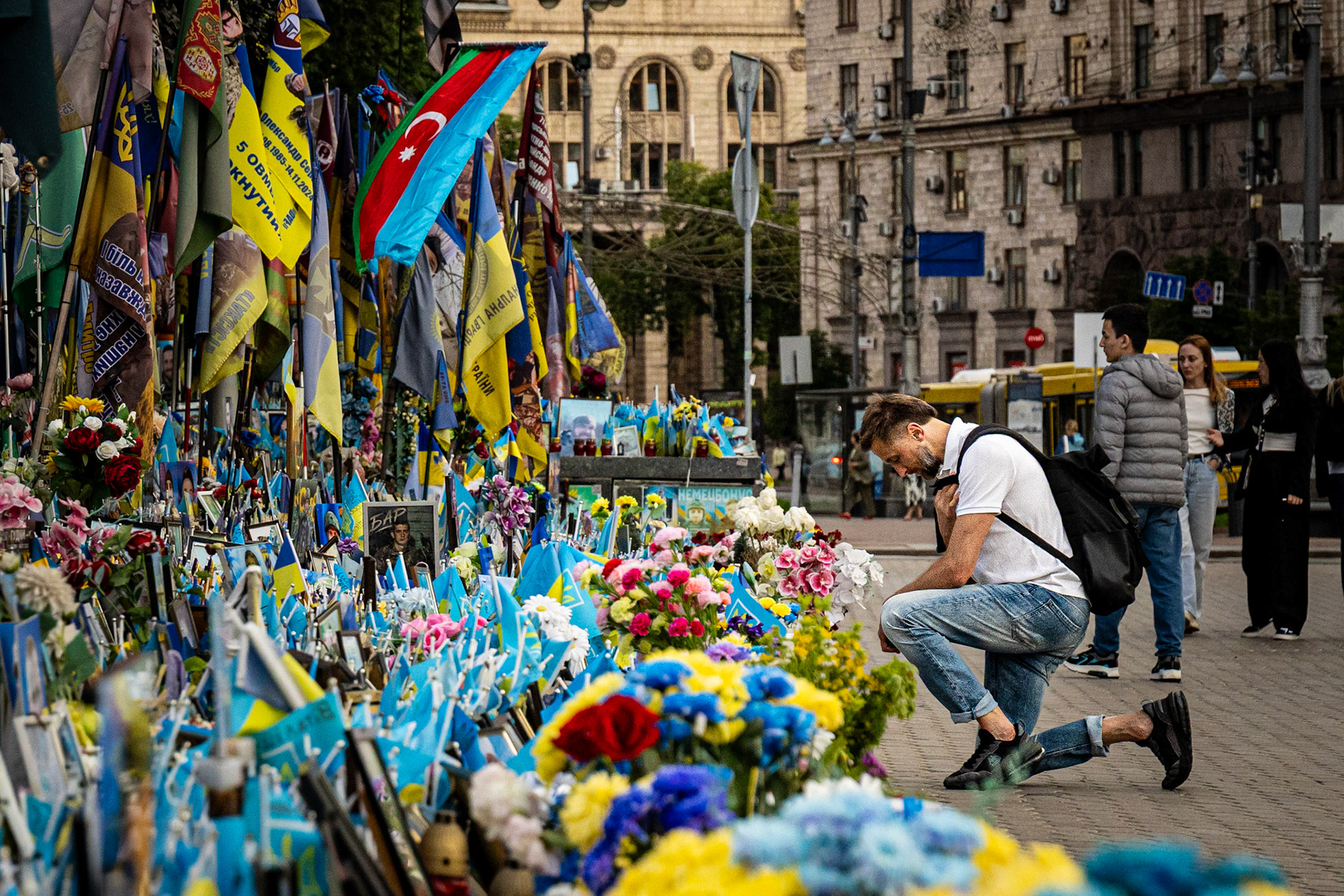
The days before the march. Cars stop on Maidan for the daily minute of silence. A market stall beside sandbags. A tower gutted by a strike, under a clear sky. Two men at the wall of the fallen. The city's ordinary routine, folded around the war.